Unlock the secrets of the wild by learning to read the subtle signs, decipher elusive scents, and employ strategic pursuit techniques that will elevate your game tracking success, regardless of the landscape.
Whispers on the Wind: Mastering Game Tracking in Any Terrain
For the truly passionate outdoors enthusiast, the thrill of the hunt often begins long before a clear line of sight. It starts with a whisper – a faint sign, an elusive scent, a subtle disturbance in nature's tapestry. Game tracking is an ancient art, a profound conversation with the wild, and a skill that deepens your connection to the environment. It demands patience, keen observation, and a deep understanding of animal behavior. Let's dive into how you can become a more successful tracker, no matter where your passion takes you.
The Language of Signs: Reading Nature's Clues
Every animal leaves a story behind, written in the dirt, on bark, and in the vegetation. Learning to read these 'signs' is your first step to becoming a master tracker.
1. Tracks and Trails
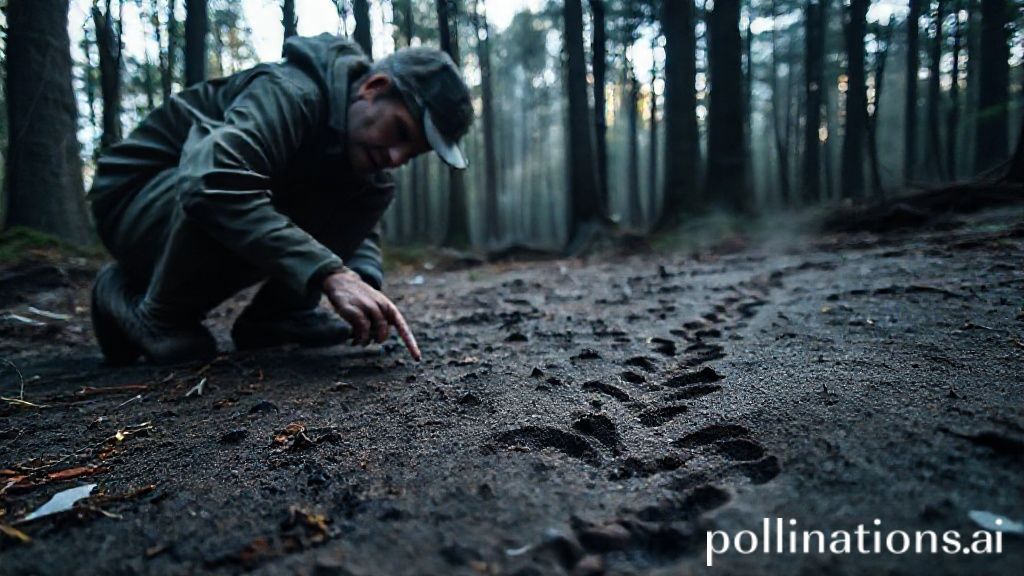
- Footprints: More than just an impression, tracks reveal an animal's species, size, weight, and even its gait and speed. Look for definition, claw marks (or lack thereof), and stride length. A fresh track will have sharp edges, while an older one will show signs of erosion, dust, or fallen debris.
- Gait: Is the animal walking, trotting, bounding, or running? A bounding deer leaves a characteristic pattern, while a predator might show a deliberate, stalking gait.
- Bedding Areas: Depressions in the grass or snow where an animal has rested. Fresh beds often retain body heat or show crushed, still-green vegetation.
2. Droppings (Scat)
An often-overlooked but incredibly valuable sign. Scat can tell you about an animal's diet, health, and how recently it passed through an area. Size, shape, and content (berries, hair, bone fragments) are key indicators.
3. Rubs and Scrapes
- Rubs: Deer, elk, and moose often rub their antlers or horns on trees, leaving polished or shredded bark. These indicate their presence and sometimes their travel corridors.
- Scrapes: Primarily made by male deer during the rut, these are patches of bare earth pawed out, often with an overhanging branch (licking branch) above it. They are territorial markers and incredibly useful for pinpointing buck activity.
4. Browse and Forage
Look for freshly nipped twigs, stripped bark, or excavated roots. The height of the browse and the type of plant consumed can help identify the animal. Freshly broken branches or disturbed leaf litter also point to recent passage.
The Science of Scents: Following the Unseen Trail
While visual signs are primary, the world of scent offers another dimension to tracking. Animals rely heavily on scent, and understanding how it works can give you an edge.
1. Animal Scents
Animals leave behind natural body odors, urine, and glandular secretions (like tarsal glands in deer). While often imperceptible to humans, under certain conditions (damp ground, still air), you might catch a whiff. More importantly, understanding how animals use scent helps you predict their movement.
2. The Wind Factor
Always track into the wind or with a crosswind. Animals rely on their nose for survival, and you don't want your scent to betray your presence. Pay constant attention to wind direction, using a wind checker (talc powder, milkweed floss) regularly.
3. Scent Trails
While we can't 'track' a scent trail like a dog, knowing that an animal leaves one helps us understand why they move in certain ways – often revisiting areas where they've left their mark or checking for the scent of others.
Strategic Pursuit: Mastering the Art of the Follow
Finding a sign is one thing; consistently following it across varied landscapes is another. This is where strategy comes into play.
1. Slow and Steady Wins the Race
Never rush. Take one step, then scan for the next sign. Look not just at your feet, but up, down, and out. Animals often follow the path of least resistance, but they also use cover. Learn to 'lose' the track only to find it again by thinking like the animal.
2. The Grid Search
If you lose a track, mark your last known sign. Then, fan out in concentric circles or a grid pattern from that spot. Animals rarely vanish into thin air; they just get clever with their tracks.
3. Understanding Terrain
- Forests: Look for broken twigs, rubbed trees, disturbed leaf litter, and subtle compressions in the duff. Animals often use game trails.
- Mountains: Focus on benches, saddles, and natural travel corridors. Pay attention to scree for dislodged rocks or fresh dust. Animals conserve energy on steep terrain.
- Open Plains: Tracks might be sparse. Look for matted grass, subtle disturbances, and distant movement with binoculars. Focus on water sources and bedding areas.
- Snow/Mud: These are tracker's paradises! Tracks are clear, and freshness is easier to determine. Look for ice crystals in prints (very fresh snow) or drying mud edges (older).
4. Anticipate Movement
Animals are creatures of habit. Where are they going? To water, to feed, to bed? Consider the time of day, weather, and available cover. Think several steps ahead of the animal you're tracking.
5. Utilize Tools
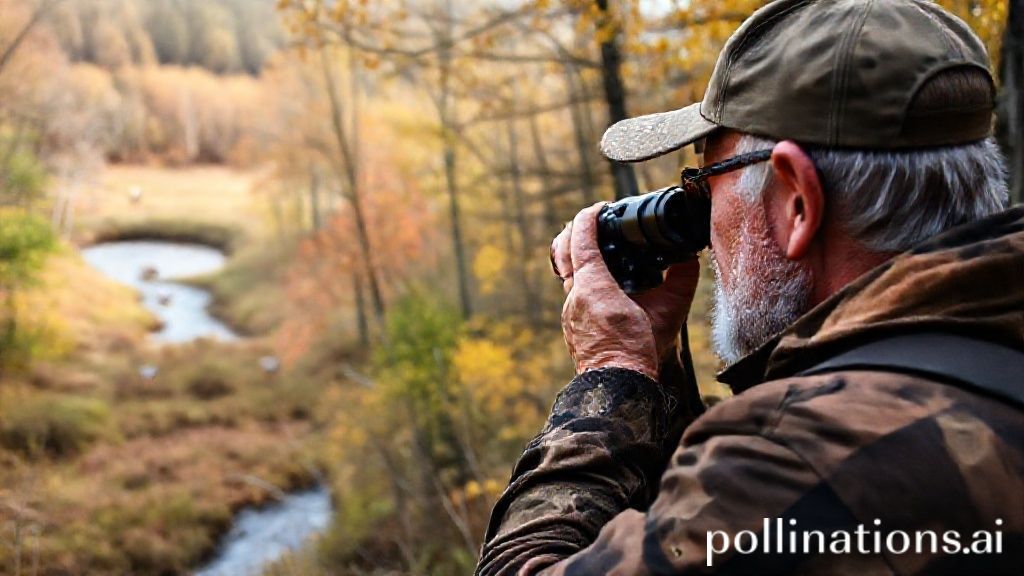
Good binoculars or a spotting scope are invaluable for scanning ahead. A GPS or compass helps you mark points of interest and stay oriented. A small mirror or flashlight can help cast shadows to reveal faint tracks.
Ethical Considerations and Respect
Always track ethically. Respect private property, abide by all hunting regulations, and never push an animal to exhaustion for sport. The goal of tracking is not just success, but a deeper appreciation and understanding of wildlife. Leave no trace, and ensure your presence impacts the environment minimally.
Conclusion
Tracking is a skill refined over a lifetime. Each outing offers new lessons, new challenges, and a deeper connection to the intricate web of life. Embrace the journey, sharpen your senses, and listen for the whispers on the wind. With practice and patience, you'll uncover the hidden stories of the wild, transforming every outdoor adventure into a profound experience.