Embarking on your archery hunting journey? This guide covers the fundamentals of choosing your first bow, whether compound or recurve, understanding draw weight and length, and essential accessories like arrows, broadheads, sights, and safety gear, all tailored for passionate hobbyists eager to hit the field.
Archery Hunting Basics: Selecting Your First Bow and Essential Accessories
The whisper of the wind, the rustle of leaves, the thrilling patience of the chase – archery hunting offers an unparalleled connection to the wild. For many passionate hobbyists, it's more than just a sport; it's a way of life. But before you can immerse yourself in the profound experience of ethical hunting, you need the right tools. Selecting your first bow and accompanying gear can be daunting, but fear not! This guide will walk you through the essentials, setting you up for success and safety.
Choosing Your First Bow: Recurve or Compound?
This is arguably the biggest decision you'll make, as it dictates much of your hunting style and initial investment.
The Recurve Bow: Traditional and Instinctive
- What it is: A traditional bow with limbs that curve away from the archer at the tips. Known for its simplicity and elegance.
- Pros: Lighter, quieter (often), excellent for developing pure shooting form and instinct, generally less expensive initially.
- Cons: Requires more physical strength to hold at full draw, steeper learning curve for accuracy, shorter effective hunting range.
- Ideal for: Those who appreciate tradition, want a challenging and rewarding learning experience, and plan to hunt at closer ranges.
The Compound Bow: Modern and Powerful
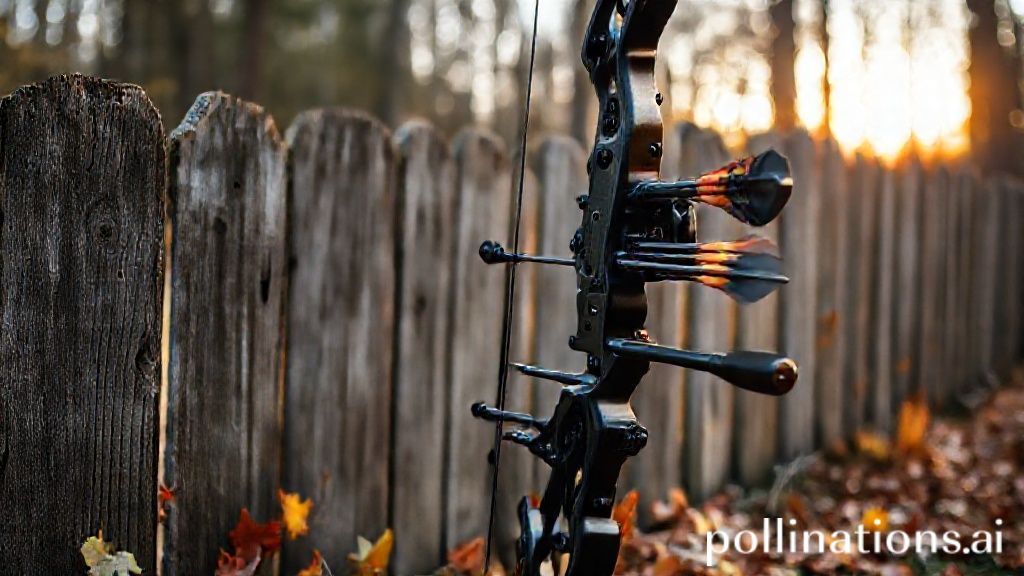
- What it is: A high-tech bow utilizing cams or wheels to create a "let-off" at full draw, reducing the holding weight.
- Pros: Faster arrow speeds, flatter trajectory, much easier to hold at full draw (due to let-off), greater accuracy potential with sights, longer effective hunting range.
- Cons: Heavier, more complex, typically louder, requires more maintenance and professional tuning, higher initial cost.
- Ideal for: Hunters seeking maximum power and accuracy, a more forgiving shooting experience, and a wider effective range.
Recommendation for Beginners: While both are viable, many beginners find the compound bow's "let-off" and accessory options (like sights and release aids) make it easier to achieve consistency quickly. If you're drawn to tradition, start with a recurve, but be prepared for a steeper learning curve.
Key Bow Specifications to Understand
Regardless of your choice, these terms are vital:
- Draw Weight: This is the force (in pounds) required to pull the string back. For beginners, start light! A common mistake is getting a bow with too high a draw weight, leading to poor form and injury. For hunting, a minimum draw weight is usually legislated (e.g., 40-50 lbs for deer). Start practicing with a comfortable weight you can manage repeatedly (e.g., 30-40 lbs adjustable compound, or a lighter recurve) and work your way up.
- Draw Length: This is the distance from the bow's grip to the string at full draw. Crucially important for accuracy and comfort! Your draw length is unique to you. It can be measured by standing with arms outstretched, measuring fingertip-to-fingertip, and dividing by 2.5. Most modern compound bows are adjustable, while recurves often come in fixed draw lengths that match various limb lengths.
Essential Accessories: Don't Skimp on the Details!
Your bow is just the beginning. A suite of accessories completes your setup and ensures safety, accuracy, and ethical hunting.
1. Arrows
- Material: Carbon is popular for its durability, consistency, and light weight. Aluminum is also an option.
- Spine: This refers to the arrow's stiffness. It must match your bow's draw weight and length. An incorrectly spined arrow will fly erratically. Consult a reputable pro shop.
- Weight: Heavier arrows carry more kinetic energy for penetration but fly slower. Lighter arrows are faster but carry less energy. A balance is key for hunting.
- Fletching: The fins at the back of the arrow, typically plastic "vanes" or natural "feathers." They stabilize the arrow in flight.
2. Broadheads (for Hunting)
These are the specialized razor-sharp tips used for hunting. Never shoot broadheads into targets not designed for them, as they will destroy most targets.
- Fixed-Blade Broadheads: Non-moving blades, known for their strength and reliability. Can be harder to tune with some bows.
- Mechanical Broadheads: Blades deploy on impact, creating a larger cutting diameter. Generally easier to tune and fly like field points. Ensure your bow has enough kinetic energy to reliably deploy them.
- Practice Broadheads: Purchase identical practice versions of your hunting broadheads (or mechanicals that have practice tips) to ensure they fly true.
3. Release Aid (for Compound Bows)
A mechanical device that hooks onto the bowstring, allowing for a cleaner, more consistent release than finger shooting. Essential for accuracy with a compound bow.
4. Arrow Rest
Holds the arrow in place before and during the shot.
- Whisker Biscuit: Simple, durable, full containment of the arrow. Great for beginners and hunting.
- Drop-Away Rest: The rest falls out of the way as the arrow leaves the bow, minimizing fletching contact and maximizing accuracy.
5. Sight
- Pin Sights (Compound): Multiple pins, each sighted in for a different distance (e.g., 20, 30, 40 yards).
- Single-Pin Adjustable Sights (Compound): One pin that can be adjusted for various distances, often allowing for more precise aim.
- Recurve Bows: Often shot instinctively without a sight, but simple pin sights are available.
6. Quiver
Carries your arrows.
- Bow-Mounted Quiver: Attaches directly to the bow, keeping arrows readily accessible.
- Hip or Back Quiver: Worn on your body, preferred by some traditional archers or those who want to reduce weight on the bow.
7. Armguard and Finger Tab/Glove
- Armguard: Protects your forearm from string slap – a painful experience you'll want to avoid!
- Finger Tab/Glove (for Recurve/Finger Shooters): Protects your fingers from the string and provides a smoother release. Not needed with a mechanical release aid.
8. Target
Crucial for practice! Invest in a good quality bag or foam target designed for archery, ideally rated for broadheads if you plan to practice with them.
Practice and Safety: Your Ethical Foundation
Once you have your gear, the real work begins: practice. Consistent, disciplined practice is the only way to develop the muscle memory, form, and confidence needed for ethical hunting.
- Form, Form, Form: Focus on proper stance, grip, anchor point, and follow-through. Consider lessons from a certified instructor.
- Know Your Limits: Only take shots you are 100% confident in. This comes from knowing your effective range in varied conditions.
- Safety First: Always follow archery range rules, never dry-fire a bow (especially a compound), and always know what's beyond your target.
Embarking on the archery hunting journey is a profound commitment. By carefully selecting your first bow and essential accessories, and dedicating yourself to practice and safety, you'll be well-prepared to experience the ancient, rewarding challenge of bowhunting. Welcome to the fold!