Discover the crucial advantages of early season deer scouting. Learn how to identify and map out vital food, water, cover, and travel corridors to secure your best hunting spots long before the rut begins, ensuring a more successful season.
Unlocking Early Season Success: Pinpointing Prime Deer Habitat Before the Rut Heats Up
The anticipation for deer season is a feeling every passionate hunter knows well. But while many wait for the leaves to turn and the rut to kick into high gear, the truly successful hunters are already putting in the groundwork – long before the first crisp morning of bow season. Early season scouting, before the frenzy of the rut, is your secret weapon for unlocking prime deer habitat and setting yourself up for an unforgettable season.
Why Early Season Scouting is a Game Changer
Think of early season scouting as building the foundation for your hunting success. When the woods are still thick, the temperatures are milder, and deer are largely undisturbed by hunting pressure, you have a unique opportunity to observe the landscape and deer behavior in its most natural state. Without the distractions of rutting activity, bucks are more focused on their core needs: food, water, and security. This allows you to identify critical resources and patterns that will remain relevant, albeit with slight adjustments, throughout the season.
What to Look For: The Pillars of Prime Habitat
Deer require three fundamental things to survive and thrive: food, water, and cover. Your early season mission is to identify the best concentrations of these elements and understand how deer move between them.
1. Food Sources: The Dinner Table
Deer are opportunistic eaters, and their diet shifts with the seasons. In the early season, focus on:
- Early Acorns: If oaks are dropping, find them! White oaks often drop first and are highly palatable. Red oaks follow later.
- Browse: Tender shoots, leaves, and twigs from shrubs and young trees are constant food sources. Look for areas with heavy browsing pressure.
- Agricultural Fields: Corn, soybeans, alfalfa, or even freshly cut hay fields are huge draws. Identify entry and exit points.
- Natural Forbs: Clover, wild grapes, and various weeds can be highly attractive. Lush creek bottoms and open clearings are good places to check.
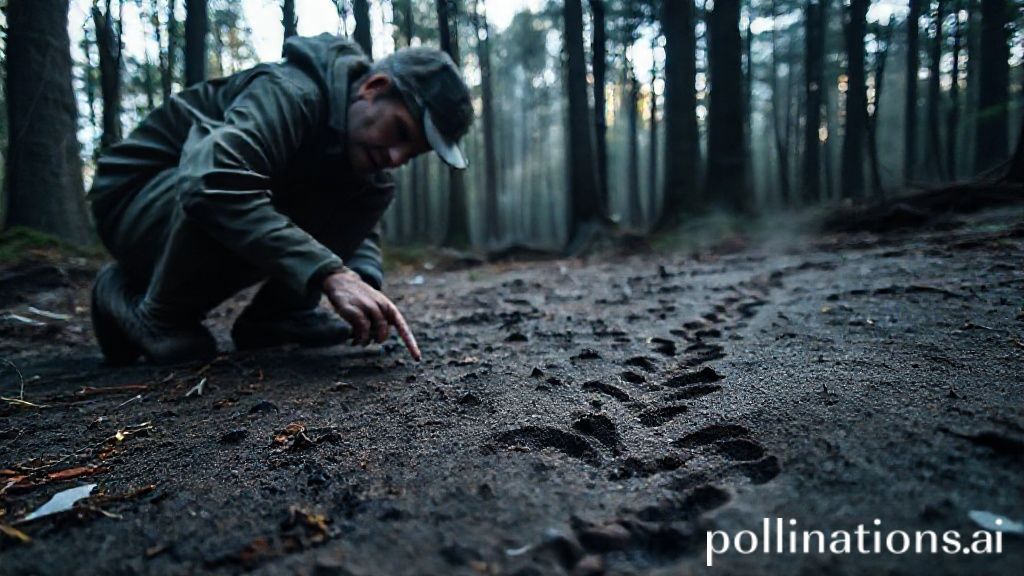
Look for fresh droppings, chewed-on vegetation, and well-worn trails leading into and out of these areas.
2. Water: The Lifeline
Deer need water daily, especially during warmer periods. Identify reliable water sources, as these can be major convergence points.
- Streams & Rivers: Look for crossings, especially shallow areas or pinch points.
- Ponds & Lakes: Identify secluded coves or edges where deer feel secure enough to drink.
- Seeps & Springs: Often overlooked, these consistent, fresh water sources in thick cover can be goldmines, particularly in drought years.
Trails leading directly to water are unmistakable signs.
3. Cover: Security and Shelter
Deer are creatures of comfort and safety. Identifying bedding areas is paramount.
- Thick Brush & Thickets: Dense briar patches, regenerating clear-cuts, and thick stands of saplings provide excellent security cover.
- Conifer Stands: Pines, cedars, and other evergreens offer thermal protection from harsh weather and visual concealment.
- Ridge Tops & Leeward Sides: Bucks often bed on ridges, using the wind to detect threats and gain a vantage point. The leeward side provides shelter from prevailing winds.
- Swamps & Marshes: Often difficult for humans to traverse, these areas provide impenetrable cover.
Look for flattened-down beds, especially under thick canopy or in tall grass. Bucks often bed alone, while does and fawns will bed in groups.
Connecting the Dots: Travel Corridors & Funnels
Once you've located food, water, and cover, your next step is to understand how deer move between them. These are your travel corridors.
- Pinch Points: Areas where deer are funneled through a narrow strip of land due to terrain features (e.g., between two steep hills, a swamp and a field).
- Creek Bottoms & Ravines: Natural highways offering cover and often leading to water.
- Ridge Lines: Deer often walk the tops of ridges, especially along the side that offers the best visibility or wind advantage.
- Fence Lines & Field Edges: Often used as travel routes, especially where cover meets open areas.
Look for well-defined trails, especially those connecting distinct habitat features. Old rubs and scrapes from previous seasons can indicate historical travel routes.
Effective Early Season Scouting Techniques
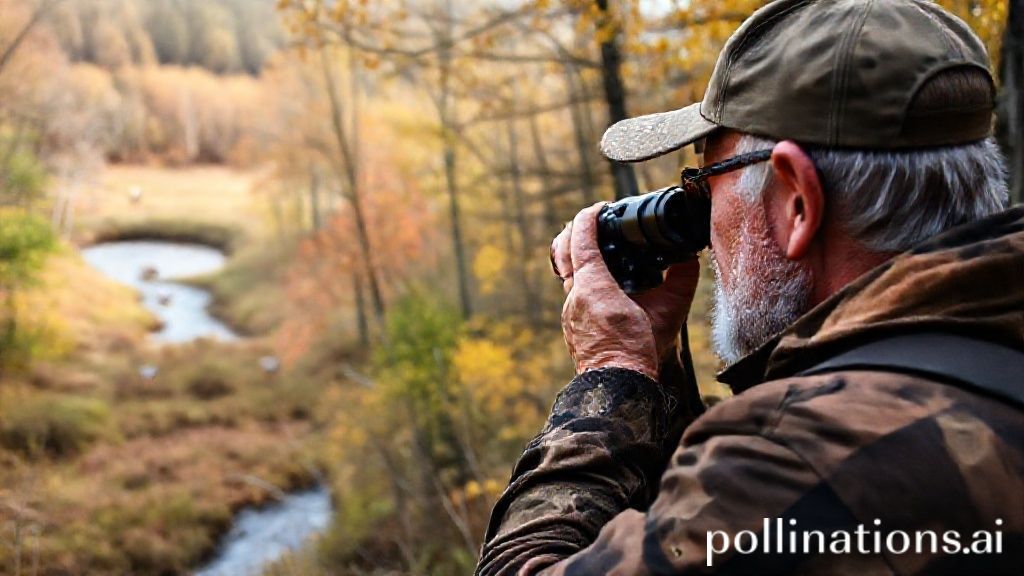
- Boots on the Ground: There's no substitute for walking the land. Focus on covering ground quietly and observing. Bring binoculars, a compass, and your mapping app.
- Mapping Tools: Utilize satellite imagery (Google Earth, OnX Hunt, BaseMap) to identify potential food sources, thick cover, water, and topographical funnels before you even step foot in the woods. Pin points of interest for later investigation.
- Trail Cameras: Strategically place cameras on trails leading to food, water, or at potential pinch points. Don't over-saturate an area; use them to confirm presence and patterns.
- Wind Awareness: Always scout with the wind in your face or crosswind. Practice low-impact scouting; you want to gather information without alerting deer to your presence.
Document Your Findings
Don't rely solely on memory. Take notes, snap photos, and, most importantly, drop pins on your mapping app for every significant sign or feature you find. Label them clearly: "White Oak Drop," "Bedding Area," "Pinch Point," "Water Source." This digital map will become an invaluable tool when planning your hunts.
Conclusion
Early season scouting is an investment, not a chore. It demands patience and attention to detail, but the rewards are profound. By understanding the core needs of deer and meticulously identifying their preferred habitat before the rut chaos begins, you'll gain an unparalleled advantage. You'll enter the season with confidence, knowing exactly where to set up and why, ready to make the most of those precious hunting hours. So grab your boots, your maps, and your binoculars – the woods are calling, and now is the time to answer!