Gear up for a successful upland bird season! This comprehensive guide covers all the essential equipment and proven tactics every passionate hunter needs for chasing pheasants, grouse, quail, and more.
Fall Hunting Checklist: Essential Gear and Tactics for Upland Birds
As the leaves begin to turn and the crisp autumn air whispers through the fields, the call of the wild becomes irresistible for upland bird enthusiasts. There’s a special magic to pursuing pheasants, grouse, quail, and other feathered quarry – a blend of tradition, skill, and the thrill of the flush. But success in the field isn't just about luck; it's about meticulous preparation, the right gear, and sound tactics.
For the passionate hobbyist, every season is a chance to refine their craft. Let's dive into your ultimate fall hunting checklist, ensuring you're ready for whatever the uplands throw your way.
Part 1: Essential Gear – Be Prepared for Anything
Having the right equipment not only enhances your chances of success but also ensures safety and comfort throughout your hunt.
The Firepower: Shotgun & Ammunition
- Shotgun: A reliable 12-gauge, 20-gauge, or even 28-gauge shotgun is standard. Over/Under, Side-by-Side, and semi-automatic models are all popular. Ensure it's clean, well-maintained, and familiar to you.
- Chokes: Modified or Improved Cylinder are often ideal for upland birds, offering a good balance of pattern spread and range. Carry a variety if your shotgun supports interchangeable chokes.
- Ammunition: Choose appropriate shot sizes (e.g., #5 or #6 for pheasants, #7.5 or #8 for quail/grouse). Consider lead alternatives if hunting in areas with restrictions. Bring plenty – more than you think you’ll need!
Apparel: Dress for Success and Safety
- Layering System: Fall weather can be unpredictable. Start with a moisture-wicking base layer, add an insulating mid-layer (fleece or wool), and a durable, brush-resistant outer shell.
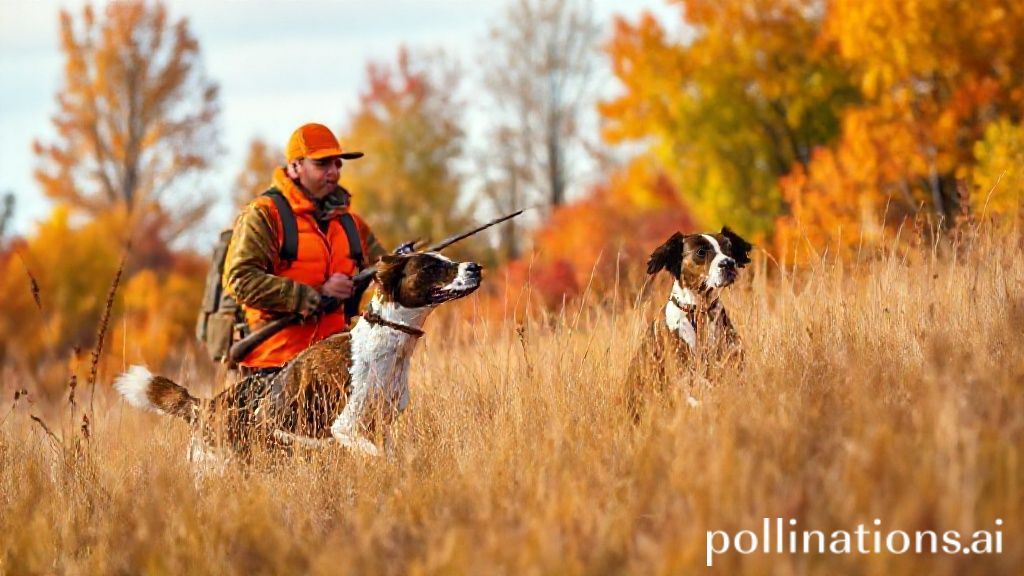
- Blaze Orange: A non-negotiable safety item. A vest or hat (or both!) ensures you’re highly visible to other hunters.
- Sturdy Boots: Waterproof, comfortable, and supportive boots are crucial for navigating uneven terrain, thorny cover, and wet conditions. Break them in before opening day.
- Gloves: Protect your hands from briars and cold, but ensure they don't impede your trigger finger feel.
- Hat: Beyond blaze orange, a brimmed hat can offer protection from sun, rain, and stray pellets.
For Your K9 Companion (If Applicable)
- Protective Vest: A durable vest can shield your dog from thorns, burrs, and cuts.
- E-Collar: For effective communication and control in the field (ensure proper training and humane use).
- Lead & Whistle: Essential for handling and retrieving.
- Water & Bowl: Your dog will exert a lot of energy; hydration is paramount.
- Dog First-Aid Kit: Bandages, antiseptic, paw balm, and tick remover.
Navigation & Safety
- GPS/Map & Compass: Even if you know the area, technology can fail, and a backup is vital. Know how to use them!
- First-Aid Kit: For both humans and dogs. Include essentials for cuts, scrapes, stings, and snakebites (if applicable).
- Whistle: For signaling in an emergency.
- Headlamp/Flashlight: If your hunt extends into dusk or you need to navigate challenging terrain.
- Field Knife/Multi-tool: Always handy for various tasks.
Game Care & Hydration
- Game Bag/Vest: To comfortably carry your harvested birds.
- Water Bottle/Hydration Pack: Stay hydrated yourself! Upland hunting can be physically demanding.
Part 2: Tactics for Upland Success – Outsmarting the Birds
Gear alone won't fill your bag. Understanding bird behavior and employing effective tactics are key.
Pre-Season Scouting & Habitat Knowledge
- Research: Understand the local habitat preferences of your target species. Pheasants love thick cover, CRP fields, and corn stubble edges. Grouse prefer dense woods and alder thickets. Quail seek brushy edges and open woodlands.
- Walk the Ground: If possible, scout before the season opens. Look for bird sign, travel corridors, and potential escape routes.
- Weather Patterns: Pay attention to recent weather. Birds often change their habits based on temperature, rain, and snow.
Dog Work & Handling (If Applicable)
- Read Your Dog: Your dog is your best asset. Pay attention to their body language – a change in pace, a high head, or a wavering tail often signals scent.
- Work the Wind: Always try to hunt into the wind. This allows your dog to pick up scent more effectively and helps you approach birds without spooking them prematurely.
- Patience: Don't rush your dog on point. Let them fully lock up, and be ready to move in for the flush.
Reading the Birds & the Cover
- Walk Smart: Don't just wander aimlessly. Systematically work cover in a grid pattern or along edges, pushing birds towards open areas or known escape routes.
- Anticipate the Flush: Upland birds are masters of holding tight, then exploding at the most unexpected moments. Be ready to mount your gun quickly.
- Mark the Fall: After the shot, keep your eyes on the bird and mark where it falls. Even with a dog, this helps immensely in recovery.
Safety First, Always
- Gun Handling: Always treat every gun as if it's loaded. Keep the muzzle pointed in a safe direction. Engage the safety until you’re ready to shoot.
- Target Identification: Be absolutely certain of your target and what’s beyond it. Never shoot at sound or movement alone.
- Communication: Hunt with partners? Communicate often, know each other's positions, and agree on shooting zones.
Conclusion: Embrace the Upland Challenge
Upland bird hunting is more than just a pursuit; it's an experience that connects us to nature, tradition, and the thrill of the chase. By meticulously preparing your gear and refining your tactics, you'll not only increase your chances of a successful hunt but also deepen your appreciation for these remarkable birds and the landscapes they inhabit.
So, clean your shotgun, pack your vest, and let the magic of fall upland hunting begin! Good luck, and hunt safely.