For the devoted camper, a well-stocked wilderness first aid kit isn't just an option; it's a non-negotiable part of your gear. This guide delves into the crucial components every passionate hobbyist needs to pack to confidently handle emergencies far from civilization.
Wilderness First Aid Kit Essentials: What Every Camper Needs to Pack for Emergencies
For those of us who feel the call of the wild deep in our bones, the backcountry isn't just a destination – it's a way of life. We chase the solitude, the challenge, and the breathtaking beauty that only untamed landscapes can offer. But with great adventure comes great responsibility, and chief among those responsibilities is preparedness. While we often obsess over the perfect tent, the lightest pack, or the most efficient stove, one piece of gear often gets overlooked until it's desperately needed: the wilderness first aid kit.
Unlike a stroll through the park, mishaps in the wilderness can quickly escalate. You're miles from definitive medical care, and that sprained ankle or deep cut can turn a dream trip into a nightmare if you're not equipped to handle it. So, let's talk about the absolute essentials every passionate camper needs to pack to confidently tackle emergencies far from civilization.
Why a Specialized Wilderness Kit?
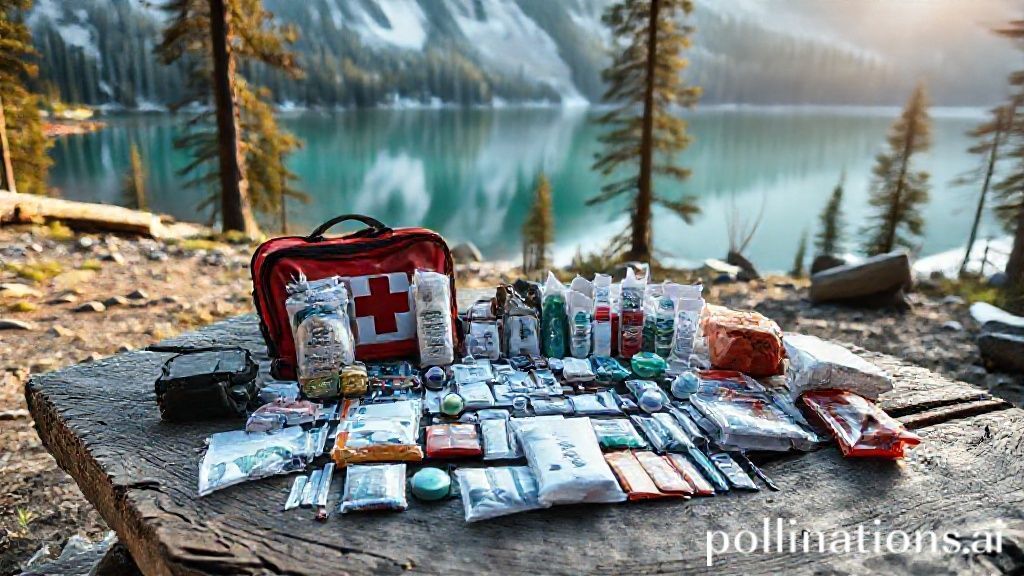
Your home first aid kit is great for minor scrapes in the suburban jungle, but it simply won't cut it in the backcountry. Wilderness first aid requires items tailored for more severe injuries, prolonged care, and the unique challenges of a remote environment. Think sterile instruments, strong adhesive dressings, and items for immobilization.
The Core Components: Beyond the Band-Aid
When building or upgrading your kit, consider these categories:
1. Wound Care & Infection Prevention
This is your frontline defense against the most common wilderness injuries.
- Assorted Adhesive Bandages: From small cuts to larger abrasions.
- Sterile Gauze Pads & Rolls: For absorbing blood, covering larger wounds, and creating pressure dressings.
- Non-Adherent Pads: To protect wounds that might stick to regular gauze.
- Medical Tape: Durable and waterproof, essential for securing dressings.
- Antiseptic Wipes (Povidone-iodine or Alcohol): For cleaning wounds before dressing.
- Antiseptic Ointment/Cream: To prevent infection.
- Blister Treatment (Moleskin, Compeed): Crucial for hikers. Don't underestimate a debilitating blister!
- Wound Closure Strips: For deeper cuts that might benefit from approximation.
2. Pain Relief & General Medication
Don't let a headache or minor ache derail your trip.
- Pain Relievers (Ibuprofen, Acetaminophen): For headaches, muscle aches, and reducing inflammation.
- Antihistamines (Diphenhydramine): For allergic reactions to insect bites, plants, or unknown allergens.
- Anti-diarrhea Medication: Nothing ruins a trip faster than digestive distress.
- Personal Prescription Medications: Crucial! Ensure you have enough for your trip duration plus extra.
3. Tools of the Trade
Small but mighty, these items can make a huge difference.
- Tweezers: Essential for splinter and tick removal.
- Small Scissors: For cutting tape, gauze, or clothing.
- Safety Pins: Multi-purpose for securing bandages, slings, or even emergency clothing repairs.
- Tick Removal Tool: Specialized tools are often more effective than tweezers.
- Nitrile Gloves: Protect both the rescuer and the injured person from infection.
- CPR Face Shield: For hygienic rescue breaths.
4. Trauma & Immobilization
For more serious incidents like sprains, fractures, or significant bleeding.
- Triangular Bandages: Incredibly versatile for slings, securing splints, or creating pressure dressings.
- Elastic Bandage (Ace Wrap): For supporting sprains or securing cold packs.
- SAM Splint (or similar moldable splint): Lightweight and highly effective for immobilizing fractures or sprains.
- Sterile Eye Wash & Eye Pads: For flushing debris or protecting an injured eye.
5. Emergency & Survival Extras
While not strictly first aid, these complement your kit for overall safety.
- Whistle: For signaling for help.
- Small Headlamp/Flashlight: To work in low light conditions.
- Emergency Blanket (Mylar): To prevent hypothermia.
- Water Purification Tablets/Filter: For safe hydration in an emergency.
Customization is Key
Your kit isn't static. It should evolve based on several factors:
- Trip Duration & Remoteness: Longer, more remote trips require more supplies.
- Group Size & Health: More people mean more potential for incidents. Account for known allergies or medical conditions within your group.
- Activities: Climbing, kayaking, hunting – each carries unique risks.
- Personal Needs: Do you or a companion have severe allergies (EpiPen)? Diabetes? Carry what's necessary.
Don't Forget the Training!
A first aid kit is only as good as the person using it. Consider investing in a Wilderness First Aid (WFA) or even a Wilderness First Responder (WFR) course. These courses provide invaluable skills for assessment, treatment, and decision-making in remote environments.
Maintain Your Kit!
Regularly check your kit for:
- Expiration Dates: Medications and sterile items can expire.
- Replenishment: Replace anything you've used.
- Damage: Ensure packaging is intact and items are functional.
Conclusion
The allure of the wilderness lies in its unpredictability and raw beauty. As passionate hobbyists, it's our duty to respect its power and prepare for its challenges. A thoughtfully assembled and well-maintained wilderness first aid kit isn't just a collection of medical supplies; it's a testament to your commitment to safety, a source of confidence, and ultimately, a lifeline when you need it most. Pack smart, stay safe, and happy trails!