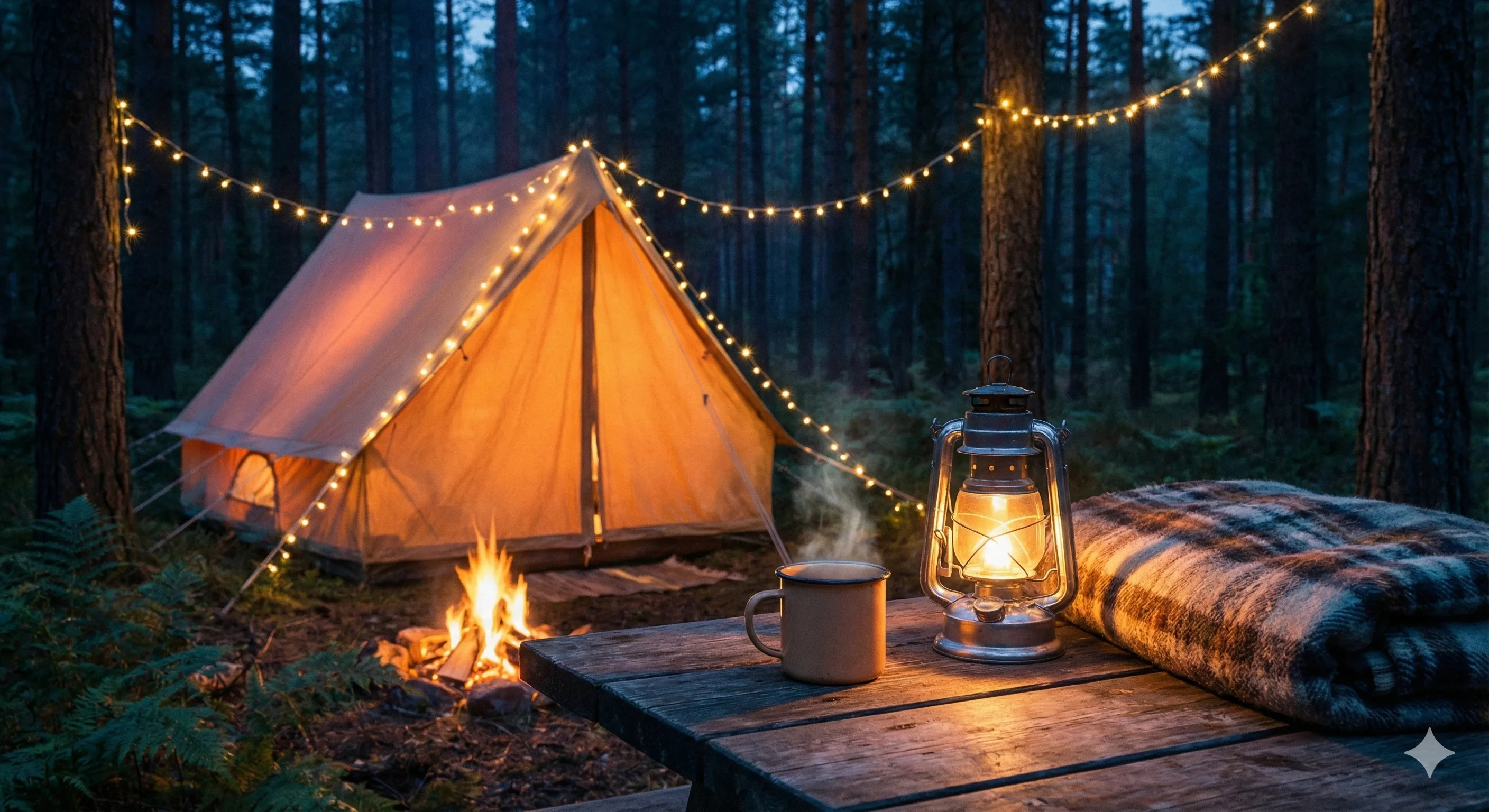
Dive into the exhilarating world of spring and summer backcountry camping with this comprehensive guide. Learn about selecting the right lightweight gear, planning unforgettable routes, and mastering crucial safety protocols to ensure a thrilling and secure wilderness adventure.
The Ultimate Guide to Spring & Summer Backcountry Camping: Gear, Routes, and Essential Safety Protocols
For the dedicated outdoor enthusiast, spring and summer unlock a world of unparalleled backcountry adventures. The longer days, warmer temperatures, and blooming landscapes beckon us to venture deeper into the wilderness. But as any seasoned hobbyist knows, these seasons come with their own unique demands and challenges. This guide is your compass to navigating the joys and intricacies of warm-weather backcountry camping, ensuring every trip is epic, safe, and truly unforgettable.
Why Spring & Summer Backcountry is Unbeatable (and What to Watch For)
Spring offers a vibrant reawakening of nature, with fewer crowds and often spectacular wildflower displays. Summer brings long, sun-drenched days perfect for ambitious routes and alpine exploration. However, both seasons demand respect for rapidly changing weather, increased insect activity, and potential for hotter, drier conditions. Being prepared means enjoying the best these seasons have to offer while mitigating risks.
Essential Gear for Warm-Weather Wilderness
While the snow might be gone, your gear list still needs careful consideration. Think lightweight, versatile, and condition-specific.
1. Shelter Systems
- Lightweight Tents: Opt for 3-season tents with good ventilation to combat condensation and keep bugs out. Look for models with ample mesh. Consider freestanding options for rocky terrain.
- Hammocks: For forested areas, a lightweight hammock system with an integrated bug net and a small tarp can offer superior comfort and reduce impact. Ensure you have appropriate tree straps.
- Tarps & Bivys: Ultralight enthusiasts might opt for a minimalist tarp or bivy sack, especially in areas with low rainfall risk. Just be prepared for potential insects.
2. Sleep Systems
- Sleeping Bag/Quilt: A 20-40°F (approx. -6 to 4°C) bag or quilt is generally suitable for spring/summer, but always check local night temperatures. Quilts offer excellent weight savings and versatility.
- Sleeping Pad: A high R-value isn't as critical as in winter, but a comfortable, insulated pad (R-value 2-4) will still provide warmth on cool nights and crucial comfort.
3. Cooking & Hydration
- Lightweight Stove & Fuel: Canister stoves are generally preferred for their ease of use. Consider a small, efficient system. Alcohol stoves are ultralight but slower.
- Water Filtration/Purification: Essential! Carry a reliable water filter (e.g., Sawyer Squeeze, Katadyn BeFree) and backup purification tablets or drops. Know your water sources along your route.
- Hydration Bladders/Bottles: Carry sufficient capacity for dry stretches and to make camp tasks easier.
4. Navigation & Communication
- Map & Compass: Non-negotiable. Learn how to use them proficiently. Always carry a physical map of your route and area.
- GPS Device/App: A dedicated GPS unit or a smartphone app (like Gaia GPS, AllTrails Pro) with downloaded offline maps is a powerful complement. Don't rely solely on your phone.
- Satellite Messenger/PLB: For remote areas, a Garmin inReach or Zoleo device allows for two-way communication and SOS capabilities. A Personal Locator Beacon (PLB) is a one-way distress signal.
5. Clothing Layers
- Base Layers: Moisture-wicking synthetics or merino wool for comfort and temperature regulation.
- Mid-Layer: A lightweight fleece or puffy jacket for cooler evenings or higher elevations.
- Outer Shell: A waterproof and windproof jacket and pants are crucial for unexpected rain or storms.
- Sun Protection: Wide-brimmed hat, sunglasses, and sun-protective clothing (UPF rated).
- Insect Protection: Long sleeves, pants, and insect repellent are your best defense against mosquitoes, ticks, and black flies.
6. First Aid & Repair Kit
- Comprehensive First Aid: Include blister treatment, pain relievers, bandages, antiseptic wipes, any personal medications, and snake bite kit if applicable.
- Repair Essentials: Duct tape, cordage, sewing kit, gear patches for quick trailside fixes.
Planning Your Spring & Summer Backcountry Routes
Route planning is where the adventure begins. For passionate hobbyists, this means going beyond the basics.
1. Thorough Research
- Trail Conditions: Check recent trail reports for snowmelt, water crossings, fallen trees, and closures. Websites like AllTrails, local park services, and forums are invaluable.
- Permits & Regulations: Understand all necessary permits for camping, campfires, or specific zones. Know fire restrictions, especially in dry summer months.
- Water Availability: Critically assess water sources. Spring might have abundant snowmelt, but summer can see sources dry up.
2. Assessing Difficulty & Bailout Options
- Don't just look at mileage; consider elevation gain, terrain ruggedness, and potential obstacles. Plan for slower travel than usual.
- Always identify potential bailout points or alternative routes in case of unforeseen circumstances or weather changes.
3. Leave No Trace Principles (Always!)
- Plan Ahead & Prepare: Minimise impact from the start.
- Travel & Camp on Durable Surfaces: Stick to established trails and campsites.
- Dispose of Waste Properly: Pack it in, pack it out, including all food scraps. Learn proper human waste disposal.
- Leave What You Find: Preserve the natural beauty for others.
- Minimize Campfire Impacts: Use established fire rings, keep fires small, and ensure they are dead out before leaving. Consider a stove instead of a fire.
- Respect Wildlife: Observe from a distance, store food properly, and never feed animals.
- Be Considerate of Other Visitors: Yield to uphill hikers, keep noise down.
4. Share Your Itinerary
- Always inform a trusted person of your detailed route, expected return time, and who to contact if you don't check in.
Essential Safety Protocols for the Backcountry
Safety is paramount. Even experienced adventurers can be caught off guard without proper precautions.
1. Weather Awareness
- Check Forecasts Religiously: Before and during your trip (if possible with satellite device). Be aware of the specific microclimates of your intended area (e.g., alpine vs. valley).
- Be Prepared for Rapid Changes: Mountain weather, especially in spring, can change drastically. Always carry rain gear and extra layers, even on sunny days.
- Lightning Safety: Know how to react to thunderstorms. Seek lower ground, avoid exposed ridges and tall trees.
2. Wildlife Preparedness
- Bears: Carry bear spray, know how to use it, and store all scented items (food, toiletries, trash) in a bear canister or hung from a bear bag system away from your tent.
- Insects: Beyond repellent, consider a head net, permethrin-treated clothing, and understand tick prevention (regular checks, proper removal).
- Snakes: Know local venomous species. Watch your step, don't put hands or feet where you can't see, and know first aid for bites.
3. Water Safety
- Purification: Never drink untreated water, even from seemingly pristine sources.
- River Crossings: Assess depth and current carefully. Unbuckle your pack's hip belt and sternum strap. Use trekking poles for stability. If in doubt, don't cross.
4. Navigation Skills
- Practice regularly with your map and compass. Understand terrain features, declination, and triangulation.
- Know how to use your GPS or phone app for route tracking and finding your way back if lost.
- Never rely solely on electronic devices; batteries die.
5. Emergency Preparedness
- First Aid Knowledge: Take a wilderness first aid course. Knowing how to treat common injuries can be a lifesaver.
- Emergency Shelter: Carry an emergency blanket or lightweight tarp even if you have a tent.
- Signaling: A whistle, mirror, or brightly colored clothing can aid rescuers.
Advanced Tips for the Passionate Hobbyist
Ready to elevate your game?
- Ultralight Strategies: Dive into gear choices that shave ounces. Every gram counts on long treks. Think multi-use items and minimalist packing.
- Off-Trail Navigation: Learn advanced techniques for route-finding in areas without established trails. This requires superior map reading, compass skills, and terrain assessment.
- Wilderness Photography: Embrace the golden hours! Protect your gear from elements, carry extra batteries, and learn basic landscape composition to capture stunning memories.
- Foraging (with Extreme Caution): Only attempt if you have expert knowledge of local edible plants and fungi. Misidentification can be deadly. When in doubt, leave it alone.
Conclusion: Embrace the Wild, Responsibly
Spring and summer backcountry camping offers unmatched opportunities for adventure, solitude, and connection with nature. By meticulously planning your gear, routes, and safety protocols, you'll be well-equipped to tackle any challenge and fully immerse yourself in the beauty of the wilderness. Go forth, explore, and create lasting memories – but always remember that preparedness is the ultimate companion.