Step into nature's pantry and discover the joy of wild summer berries! This guide introduces you to the thrilling, rewarding hobby of foraging, helping you identify and safely harvest nature's sweet treats.
Identifying and Harvesting Wild Summer Berries: A Forager's Guide
Ever dreamt of finding your own food directly from nature? Foraging for wild summer berries is a fantastic way to connect with the outdoors, learn new skills, and enjoy incredibly fresh, delicious treats. It's a hobby that awakens your senses and offers a unique reward. But before you grab your basket, let's learn how to do it safely and responsibly.
Safety First: Your Golden Rules of Foraging
Foraging is immensely rewarding, but safety is paramount. Always adhere to these rules:
- Positive Identification is Paramount: This is the most critical rule. When in doubt, throw it out! Never eat a berry unless you are 100% certain of its identity. Use multiple reliable sources (field guides, experienced foragers) for verification.
- Know Your Location: Forage away from roadsides, industrial areas, conventional farms (pesticides!), or other potentially polluted sites. Always respect private property.
- Dress for Success: Wear long sleeves, long pants, sturdy shoes, and consider a hat and bug spray to protect yourself from scratches, ticks, and other insects.
- Forage Responsibly: Only take what you need and leave plenty for wildlife and other foragers. Never strip a patch bare.
Your Summer Berry Hit List (Beginner-Friendly!)
Here are some common and relatively easy-to-identify wild summer berries perfect for beginners:
1. Wild Raspberries (Rubus idaeus)
- Description: These iconic berries are typically red (though sometimes yellow or black), have a hollow core when picked from their receptacle, and a delicate, slightly fuzzy texture. They grow in clusters on thorny canes.
- Habitat: Look for them in forest edges, clearings, old fields, and disturbed areas, often forming dense thickets.
- Key Identification: The defining characteristic is their hollow core once picked. This helps distinguish them from some similar-looking aggregated fruits.
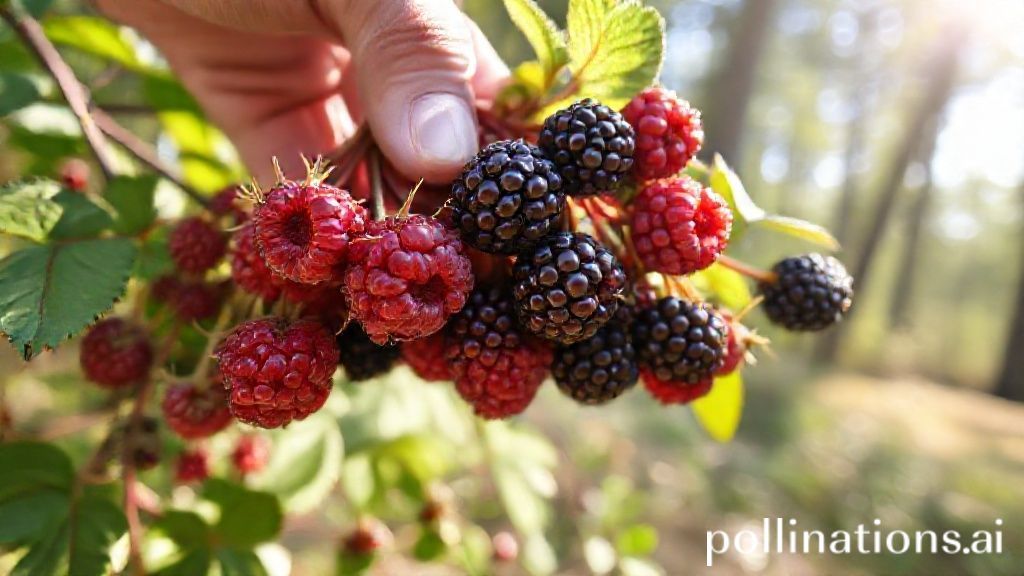
2. Blackberries (Rubus spp.)
- Description: Blackberries are deep purple to black when ripe, shiny, and composed of many tiny drupelets, forming a solid fruit (unlike raspberries). They grow on thorny, often sprawling canes.
- Habitat: Similar to raspberries, you'll find blackberries in sunny spots, forest edges, clearings, and along fences.
- Key Identification: Blackberries have a solid white core when picked, meaning the receptacle remains with the berry.
3. Wild Blueberries/Huckleberries (Vaccinium spp.)
- Description: Small, round, and typically blue to dark purple, often with a characteristic five-pointed 'crown' (calyx) at one end. They grow on small shrubs.
- Habitat: These prefer acidic soils and are common in open woodlands, heathlands, and bogs.
- Key Identification: The distinctive small crown at the berry's end is a good indicator. While there are many safe wild blueberries, never confuse them with potentially deadly Nightshade berries, which have a different growth habit, leaf structure, and lack the blueberry's distinctive crown.
Harvesting Like a Pro
Once you've positively identified your berries, here's how to gather them:
- Gentle Touch: Berries are delicate! Cup them in your hand and gently pull. If they don't come off easily, they might not be ripe yet.
- Use the Right Tools: A wide, shallow basket or container (like an old yogurt container or a berry picking bucket) is ideal to prevent crushing the bottom layers of fruit.
- Respect the Plant: Try not to damage the plant, and remember to leave plenty for the ecosystem.
Beyond the Bush: Enjoying Your Bounty
Once home, gently rinse your berries. They're fantastic fresh, but also perfect for:
- Jams and jellies
- Pies, tarts, and crumbles
- Smoothies
- Adding to yogurt or oatmeal
- Freezing for later use
Foraging for wild summer berries is a journey of discovery and a delicious way to engage with the natural world. Start small, stay safe, and enjoy the incredible flavors that nature provides!