Ready for an adventure that combines outdoor exploration, keen observation, and the thrill of discovery? Early summer forests are bursting with edible treasures! Learn how to safely and responsibly forage for wild mushrooms and add a unique twist to your culinary repertoire.
Discover the Delicious World Beneath Your Feet: Early Summer Mushroom Foraging
Are you an enthusiast looking to dive into a new hobby that's both rewarding and connected to nature? Look no further than the fascinating world of wild mushroom foraging! Early summer transforms our forests into a prime hunting ground for some of the most sought-after edible fungi. It’s an adventure that engages your senses, sharpens your observation skills, and can even lead to gourmet delights right from your local woods.
Why Early Summer is Prime Time
After the spring rains and as temperatures begin to warm, early summer provides ideal conditions for a variety of mushrooms to fruit. The moist soil, combined with increasing sunlight, creates a perfect environment for species like chanterelles, black trumpets, and even some early boletes to emerge. This period offers a fantastic window for beginners to start, as the forest isn't yet fully overgrown, and many distinctive species are making their appearance.
Getting Started: Safety First!
Before you grab your basket, remember: never eat a mushroom unless you are 100% certain of its identification. This cannot be stressed enough. There are deadly look-alikes for many edible species. To forage safely:
- Educate Yourself: Invest in several reputable field guides specific to your region. Online resources and local mycological societies are invaluable.
- Go with an Expert: The best way to learn is by accompanying experienced foragers. Many local groups offer guided walks.
- Learn Key Features: Pay attention to spore print, cap shape, gill attachment, stem characteristics, and habitat.
- The Rule of "If in Doubt, Throw it Out": If there's any uncertainty, do not consume it.
Early Summer Stars to Look For
While species vary by region, here are a few common early summer edibles that are good targets for beginners, known for their distinct features:
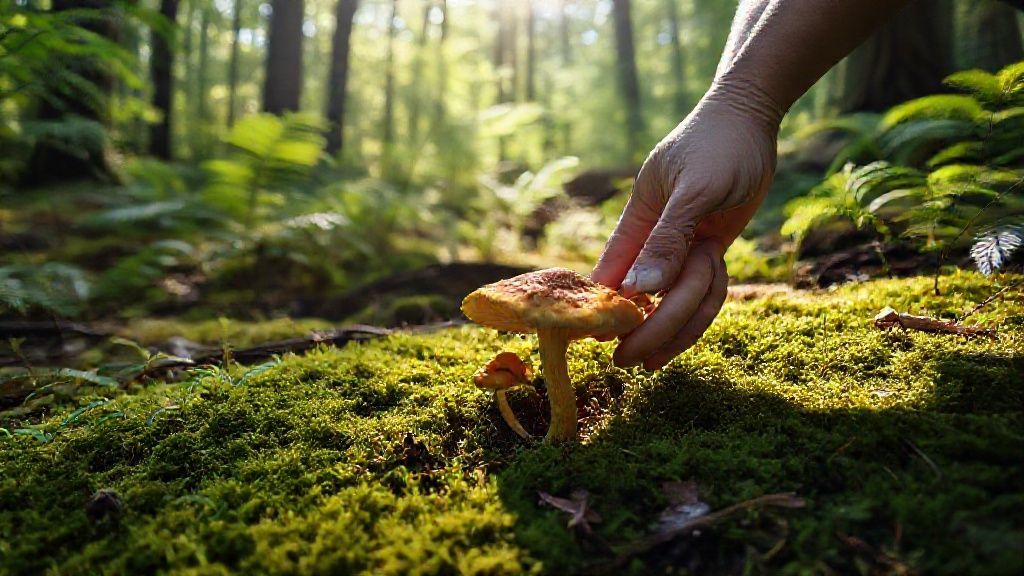
- Chanterelles (Cantharellus spp.): Often golden or orange, with false gills (folds that run down the stem), a fruity aroma, and typically found near hardwoods.
- Black Trumpets (Craterellus cornucopioides): Funnel-shaped, dark grey to black, hollow, with a smoky, earthy flavor. They often grow in mossy areas near oaks.
- Chicken of the Woods (Laetiporus sulphureus): A bright orange-yellow bracket fungus that grows on dead or dying hardwoods. It has no gills, just pores on its underside. Ensure it's not growing on conifers, as those can be toxic.
Responsible Foraging Practices
To ensure the longevity of our fungal friends and their ecosystems, always practice responsible foraging:
- Leave No Trace: Minimize your impact on the environment.
- Harvest Sustainably: Only take what you need and leave plenty for others and for the forest to reproduce.
- Use a Basket or Mesh Bag: This allows spores to fall out as you walk, helping to spread the species.
- Respect Private Property: Always get permission before foraging on private land.
- Know Your Local Regulations: Some parks and protected areas prohibit foraging.
Beyond the Hunt: Culinary Delights
The real joy of foraging comes when you bring your treasures home. Wild mushrooms offer an unparalleled depth of flavor that can transform simple dishes. Sautéed with butter and garlic, added to risottos, or as a topping for steak, the culinary possibilities are endless.
Embarking on a mushroom foraging journey is more than just finding food; it's an immersive experience that deepens your connection to the natural world. It's about patience, observation, and the quiet satisfaction of discovering nature's hidden bounties. So, grab a guide, find a mentor, and step into the early summer forest – who knows what delicious secrets await!