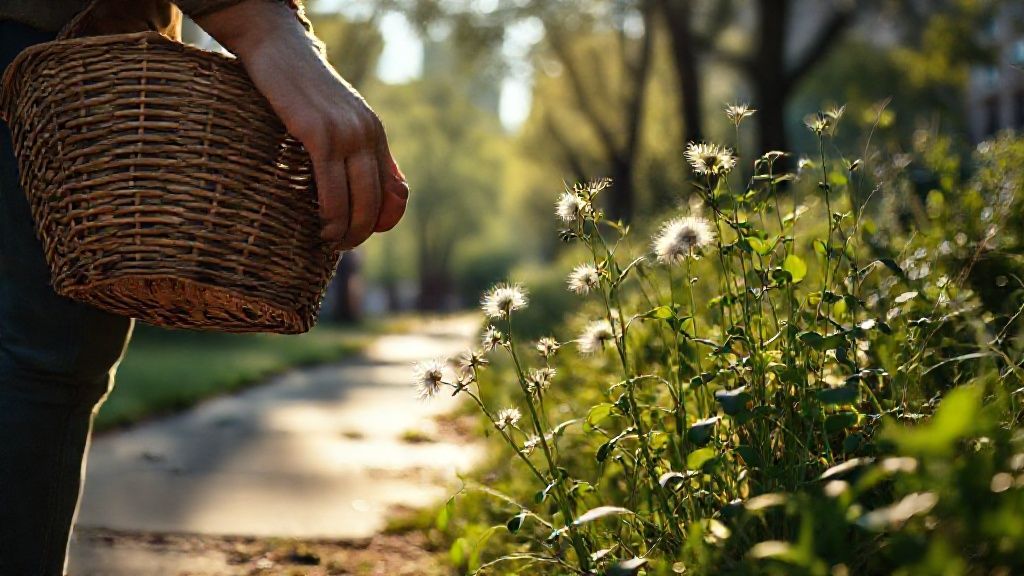
Ever wondered if your city holds more than just concrete jungles? Dive into the fascinating world of urban foraging and uncover a surprising bounty of edible wild plants right in your neighborhood! It's an adventure waiting to be plucked.
Urban Foraging: Your City's Secret Pantry
Hey fellow adventurers, creators, and knowledge-seekers! Whether you're meticulously tying flies for your next angling trip, lost in the pages of an ancient tome, or tending to your prize-winning petunias, there's a unique hobby calling your name: urban foraging.
Forget the supermarket aisles for a moment. What if I told you your very own city — the one with the bustling streets and towering buildings — is a hidden treasure trove of delicious, nutritious, and free wild edibles? Urban foraging is the art and science of identifying and safely harvesting wild plants that thrive in our concrete jungles.
Why Embrace Urban Foraging?
- A New Perspective on Your City: Suddenly, every park, every forgotten lot, every roadside verge becomes a potential discovery zone. It transforms your daily walk into an exciting expedition.
- Sustainable & Free Food: Reduce your grocery bill and your carbon footprint by sourcing fresh, organic produce right where you live.
- Boost Your Health: Wild plants are often packed with more nutrients than their cultivated cousins. Plus, it gets you outdoors and active!
- Connect with Nature: Even in the densest urban environments, nature finds a way. Foraging helps you re-establish that vital connection.
- Expand Your Knowledge: Learn botany, local ecosystems, and ancient culinary traditions. It's a fantastic intellectual challenge!
Common Urban Edibles (Always Identify with 100% Certainty!)
Before you grab a basket, remember: never eat anything you haven't positively identified. Use reliable field guides, online resources, and ideally, join local foraging walks with experienced guides.
Some surprisingly common urban edibles include:
- Dandelions (Taraxacum officinale): Leaves for salads (younger are less bitter), roots for roasted coffee substitute, flowers for wine or jelly.
- Plantain (Plantago major): The leaves are nutritious and can be used in salads, stir-fries, or even as a poultice for insect bites.
- Wild Garlic/Ramps (Allium ursinum/tricoccum): If you're lucky enough to find them in spring, their garlicky leaves are incredible in pestos, soups, or stir-fries.
- Purslane (Portulaca oleracea): A succulent, slightly tart plant perfect for salads, rich in Omega-3 fatty acids.
- Clover (Trifolium spp.): While not a primary food source, the flowers and leaves can be added to salads in small quantities or brewed into tea.
Foraging Safely and Responsibly
- Positive Identification is Key: When in doubt, leave it out! Many edible plants have poisonous look-alikes.
- Know Your Location: Avoid foraging near busy roads (exhaust fumes), industrial areas, or anywhere pesticides might be used (parks, lawns). Choose clean, undisturbed spots.
- Harvest Sustainably: Only take a small amount from any single plant or patch, ensuring it can continue to thrive. Leave plenty for wildlife and for the plant to regenerate.
- Wash Thoroughly: Always wash your foraged finds thoroughly before consumption.
- Check Local Regulations: Some parks or private lands may prohibit foraging.
Urban foraging isn't just about finding food; it's about seeing your city with new eyes, connecting with the earth beneath your feet, and embracing a touch of wilderness in your daily life. So, grab a guide, put on your walking shoes, and start exploring the hidden larder right outside your door! Happy foraging!