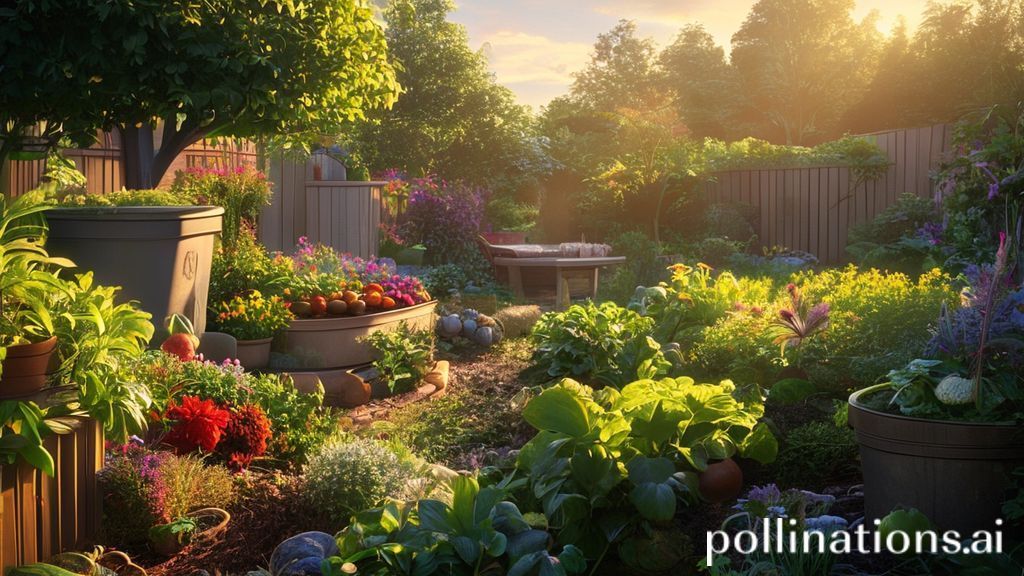
Transform your backyard into a thriving, eco-friendly haven! Discover the secrets to sustainable gardening that will nourish your soul, protect the planet, and offer a bountiful harvest, no matter your current passion – from the tranquility sought by anglers to the methodical joy of a bookworm.
The Ultimate Guide to Sustainable Backyard Gardening: Cultivating Your Oasis
Are you a hobbyist at heart, someone who finds deep satisfaction in the craft, the learning, and the connection to something meaningful? Whether you're meticulously tying flies, lost in the pages of a captivating novel, or mastering a new skill, that same passion can blossom in your very own backyard. Sustainable backyard gardening isn't just about growing food; it's about cultivating a vibrant, resilient ecosystem that gives back to you, your community, and the planet. It’s a hobby that rewards patience, observation, and a touch of creative problem-solving – much like any passion pursuit.
This guide will equip you with the knowledge to create a flourishing, eco-friendly garden that not only yields delicious produce and beautiful blooms but also enhances biodiversity, conserves resources, and reduces your environmental footprint. Dive in and discover how to transform your outdoor space into a sanctuary of sustainability.
Why Embrace Sustainable Gardening?
The appeal of sustainable gardening extends far beyond a fresh tomato. It’s a holistic approach that offers myriad benefits:
- Environmental Stewardship: Reduce your carbon footprint, conserve water, support local ecosystems, and protect pollinators. Every compost pile, every native plant, contributes to a healthier planet.
- Personal Well-being: Gardening is a therapeutic activity, reducing stress and offering a meditative escape. The physical activity is beneficial, and the satisfaction of nurturing life from seed to harvest is immensely rewarding.
- Healthier Food: Grow organic produce free from harmful pesticides and chemicals, knowing exactly what goes into your family’s meals.
- Cost Savings: Reduce grocery bills, especially for organic produce, and enjoy the abundance of your own harvests.
- Community Connection: Share your bounty, swap seeds, and connect with fellow gardeners, fostering a sense of community.
The Cornerstones of a Sustainable Garden
Building a truly sustainable garden involves thoughtful practices that work with nature, not against it.
1. Nurturing Your Soil: The Heart of the Garden
Healthy soil is the foundation of a thriving garden. Forget chemical fertilizers; embrace nature's way.
- Composting: Turn kitchen scraps, yard waste, and paper products into rich, nutrient-dense compost. This "black gold" improves soil structure, water retention, and provides essential nutrients naturally. It's a closed-loop system that reduces landfill waste and feeds your plants.
- Cover Crops: Plant non-cash crops like clover or vetch during off-seasons. They prevent erosion, suppress weeds, add organic matter, and fix nitrogen in the soil, enriching it for your next planting.
- No-Till/Minimum-Till: Avoid excessive digging or tilling, which disrupts soil structure and beneficial microbial life. Instead, gently amend the top layer and let the soil ecosystem do its work.
2. Water Wisdom: Conserving Every Drop
Water is a precious resource. Smart watering practices are crucial for sustainability.
- Rainwater Harvesting: Install rain barrels to collect rainwater from your roof. This free, chemical-free water is excellent for plants and reduces your reliance on municipal supplies.
- Drip Irrigation & Soaker Hoses: Deliver water directly to the plant roots, minimizing evaporation and waste compared to overhead sprinklers.
- Mulching: Apply a layer of organic mulch (straw, wood chips, shredded leaves) around plants. Mulch suppresses weeds, regulates soil temperature, and dramatically reduces water evaporation, keeping the soil moist for longer.
- Water-Wise Plants: Choose drought-tolerant and native plants that are adapted to your local climate and require less supplemental irrigation.
3. Embracing Biodiversity: A Garden Full of Life
A diverse garden is a resilient garden, attracting beneficial insects and wildlife.
- Native Plants: Integrate plants native to your region. They are naturally adapted to local conditions, require less water and maintenance, and provide essential food and habitat for local wildlife and pollinators.
- Pollinator Gardens: Plant a variety of flowers that attract bees, butterflies, and other pollinators. These tiny heroes are vital for fruit and vegetable production. Think sunflowers, coneflowers, lavender, and cosmos.
- Companion Planting: Strategically plant different species together to enhance growth, deter pests, and attract beneficial insects. For example, marigolds deter nematodes, while basil improves the flavor of tomatoes.
4. Natural Pest & Disease Management: Harmony Over Harm
Say goodbye to chemical pesticides. A sustainable garden relies on ecological balance.
- Beneficial Insects: Attract natural predators like ladybugs, lacewings, and parasitic wasps by planting their favorite flowers (e.g., dill, fennel, yarrow). These insects will feast on common garden pests.
- Manual Removal: For small infestations, simply pick off pests by hand or blast them with a strong stream of water.
- Organic Sprays: Use homemade remedies like neem oil, insecticidal soap, or garlic spray for more persistent issues. Always test on a small area first.
- Healthy Plants: Strong, healthy plants are naturally more resistant to pests and diseases. Focus on good soil, adequate water, and proper plant spacing.
- Crop Rotation: Avoid planting the same crop in the same spot year after year. This confuses pests, reduces disease buildup, and balances nutrient uptake.
5. Resourcefulness & Waste Reduction: Closing the Loop
Every aspect of sustainable gardening champions resourcefulness.
- Seed Saving: Harvest and save seeds from your successful open-pollinated plants. This reduces costs, preserves genetic diversity, and allows you to adapt plants to your specific microclimate over time.
- DIY Solutions: Create your own trellises from fallen branches, build raised beds from reclaimed wood, or make natural plant markers.
- Tool Care: Invest in quality tools and maintain them well. Sharpen, clean, and store them properly to ensure they last for years, reducing consumption.
Getting Started on Your Sustainable Garden Journey
Feeling inspired? Here’s how to take those first steps:
- Assess Your Space: Observe your backyard. Where does the sun hit? How much space do you have? Consider container gardening for smaller areas.
- Start Small: Don't try to overhaul your entire yard at once. Begin with a small raised bed, a few containers, or a dedicated pollinator patch.
- Choose Your Plants Wisely: Research what grows best in your USDA hardiness zone. Prioritize native plants and those that offer multiple benefits (e.g., edible herbs that also attract pollinators).
- Invest in Good Practices, Not Just Products: Focus on building soil health, attracting beneficials, and conserving water rather than buying quick-fix chemicals.
Beyond the Harvest: A Lifelong Pursuit
Sustainable gardening is a journey, not a destination.
- Embrace Seasonality: Plan your garden around local growing seasons, enjoying produce at its peak and respecting nature's cycles.
- Connect with Community: Join local gardening clubs, attend workshops, or volunteer at a community garden. Share your knowledge and learn from others.
- Continuous Learning: Just like mastering any craft, there's always more to learn in gardening. Read books, watch documentaries, experiment, and observe your garden. Your inner bookworm will thrive!
Cultivate Your Oasis
Sustainable backyard gardening is more than a trend; it's a mindful way of living that connects us deeply to the natural world. It’s an empowering hobby that allows you to contribute positively to the environment while enjoying the immense satisfaction of growing your own food, fostering biodiversity, and creating a beautiful, vibrant space.
So, whether you're meticulously planning your next crop rotation with the precision of a seasoned angler casting a line, or devouring gardening guides with the fervor of a bookworm discovering a new series, your sustainable garden awaits. Get your hands dirty, embrace the process, and watch your passion – and your garden – flourish. Your ultimate guide to a greener, more bountiful backyard starts now.