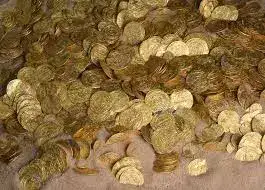
Unlock the secrets beneath your city's boring parks and sidewalks! Learn how urban metal detecting turns mundane locations into treasure hunting hotspots.
Turning Trash into Treasure: Finding Gold in Your City's Most Boring Locations
We often romanticize adventure as something that requires a passport, a machete, or a thousand-mile road trip. We picture treasure hunters slogging through jungles or diving into shipwrecks. But the truth is, some of the most fascinating artifacts and forgotten fortunes are lying just inches beneath your feet, often in the places you pass every single day on the commute—the quiet corner park, the forgotten utility strip, or the grassy median strip. These seemingly boring, mundane locations within the concrete sprawl of your city are, in fact, historical hotspots waiting for a careful eye and a steady hand.
This isn't just about finding rusty pennies; it’s about uncovering tangible links to the past—Victorian coins, tokens from businesses long gone, lost engagement rings, or military artifacts. If you’ve ever felt the pull of history but thought you had to travel far to find it, it’s time to look down. The urban landscape is a palimpsest, a scroll written over and over again, and we’re going to show you where to find the original script.
The Urban Gold Rush: Why Boring is Better
When we think of metal detecting or relic hunting, our minds often jump to wide-open fields or abandoned ghost towns. While those spots certainly hold promise, they lack one crucial factor that makes urban areas treasure magnets: continuous, intense human activity over a long period. People lose things where they gather, where they play, and where they walk.
Consider the frequency of finds. In a large, remote field, you might walk for hours to find a single old coin. In a city park established in 1890, you might pull a dozen finds in the same amount of time. The sheer volume of traffic—picnics, parades, ballgames, political rallies, casual strolls—means the loss rate is exponentially higher. Over 100 years, those dropped coins, keys, and pieces of jewelry accumulate into dense pockets of historical artifacts.
Furthermore, urban sites often undergo continuous development, which, counterintuitively, helps preserve artifacts. When a street is paved, or a new layer of topsoil is brought in for landscaping, it seals off the previous era’s surface. This preservation buffer protects items from corrosion, agriculture, and modern traffic, leaving them perfectly waiting for your coil.
History in Layers: Understanding Urban Stratigraphy
Urban environments are built upon the debris of previous eras. Unlike the countryside, where relics might lie just beneath the plow line, city artifacts can be found in distinct layers. The key is understanding the history of the specific site you are detecting. Was this spot once the edge of town? Was it a refuse ditch before it became a park? The older the city, the deeper and more complex these layers become. Sometimes, artifacts from the 1920s might lie 6 inches down, while tokens from the 1870s might be buried 18 inches below, sealed beneath a clay cap or old roadbed. This layered approach is why a deep-seeking detector and a historical mindset are crucial for successful urban hunting.
The Top 5 Most Underestimated Treasure Locations
Forget the obvious tourist traps. The best spots are often overlooked precisely because they seem so uninteresting. They don't scream