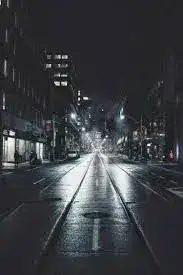
Stop hauling heavy DSLRs! Discover why your smartphone is the ultimate, discrete tool for captivating street photography. Learn pro mobile techniques and ditch gear anxiety today.
Trash the DSLR, Grab Your Phone: Proof That the Best Street Camera is the One You Actually Have
There’s a common, unspoken rule in the world of serious street photography: You need the gear. You need the fast, discreet rangefinder, or perhaps the robust, weather-sealed mirrorless body paired with a prime lens that costs more than your first car. We spend hours researching sensor sizes, dynamic range capabilities, and autofocus speeds, often delaying our foray into the bustling, messy reality of street life until we feel ‘adequately equipped.’
I’m here to tell you that this mindset is a trap. It’s an expensive, heavy, and psychologically debilitating trap. If you are serious about capturing genuine, unposed moments of humanity, the best camera isn't the one with the highest specs or the largest badge; it's the device you already have in your pocket. It's your phone.
For too long, the smartphone has been relegated to the status of a 'snapshot machine,' incapable of serious artistic endeavor. Today, that sentiment is not just outdated—it’s actively harmful to your creative progress. Let’s explore why the modern smartphone isn’t just a substitute for a dedicated camera on the street; it’s often a superior choice.
The True Barrier: Size and Intimidation
When we talk about traditional street photography, we are talking about capturing the fleeting, the intimate, and the honest. The moment a subject realizes they are being photographed, the moment is often lost. This is where big gear creates an immediate and unavoidable obstacle.
Imagine walking down a busy market street. A person sees a DSLR with a large lens pointed in their direction. What happens? They tense up. They cover their face. They look away. The authentic human interaction evaporates, replaced by self-consciousness. Your massive investment in high-end glass just bought you distance and staged reactions.
The Psychological Weight
Beyond the physical weight of a camera bag, there is the mental weight. Dragging $5,000 worth of gear around means you are constantly worried about three things: theft, dropping it, and looking like a professional who is invading private space. This anxiety makes you less bold, less likely to get close, and more hesitant to click the shutter. The burden of the gear kills the spontaneity required for great street shots.
The Stealth Factor is Undefeated
Discretion is the single most powerful tool a street photographer possesses. And nothing is more discreet than a device everyone uses, everywhere, all the time. When you hold up a phone, you are perceived as: texting, checking social media, or maybe taking a quick selfie. You blend into the digital noise of the 21st century. This invisibility grants you access to moments that a professional camera setup would instantly destroy.
Think about shooting a candid moment in a coffee shop. If you pull out a full-frame camera, you're the focus. If you pull out your phone and shoot from the hip while pretending to look at a notification, you are invisible. This difference is the secret sauce of genuinely candid street photography.
Technical Triumphs of the Tiny Device
For years, the quality argument reigned supreme. “You can’t get that resolution/depth of field/low-light performance on a phone!” While some of those arguments hold technical truth, the gap has shrunk to near-irrelevance for the practical needs of street photography and, crucially, smartphones have developed strengths no traditional camera can match.
Instant Access and Zero Boot Time
Street photography is defined by milliseconds. That perfect shaft of light hitting that specific expression lasts for less than a second. If you have to pull a camera out of a bag, flip the power switch, remove the lens cap, and adjust settings, you’ve missed it. Your phone is in your hand, or easily accessible, and can go from locked screen to firing the shutter in less than a second. This responsiveness is invaluable.
The Rise of Computational Photography
DSLRs and mirrorless cameras rely almost entirely on the sensor and lens. Phones rely on software. Modern computational photography—HDR merging, Deep Fusion, intelligent noise reduction, and portrait mode—allows the tiny sensor to achieve results previously impossible. The phone is taking dozens of rapid exposures, analyzing the scene using AI, and producing a finalized image that is often perfectly exposed and balanced right out of the digital gate. For casual street shooting where speed is paramount, this automatic intelligence is a huge advantage.
Seamless Workflow
In the old days, great street photography meant shooting, rushing home, developing, scanning, and editing. Now, you shoot a photo, make a quick edit using native tools or an app like Lightroom Mobile, and share it immediately. The integrated nature of the smartphone allows for an unparalleled creative feedback loop. You can learn what works and what doesn't faster than ever before, accelerating your growth as a photographer.
Mastering Mobile Street Photography Techniques
Switching to a phone requires a slight adjustment in technique, prioritizing light, composition, and patience over technical settings. Here are three methods to maximize your success with minimal gear.
Focus on Fundamentals: Light and Composition
Since you are letting the phone handle the exposure and focus for the most part, your brain space is freed up to concentrate on the two things that truly make a photograph great: light and composition. Look for dramatic shadows, sharp highlights, and patterns. Spend time mastering the rule of thirds or negative space. If the light and composition are powerful, the minor technical shortcomings of a smaller sensor are completely forgotten.
The Power of the Hip Shot
One of the most effective and discrete ways to shoot with a phone is the 'hip shot' or 'waist-level shooting.' Hold the phone low, facing forward, and use the volume button as the shutter release. This allows you to capture life at a natural, non-confrontational angle, often catching subjects unaware and yielding incredibly authentic results. Use manual apps that allow you to lock focus and exposure beforehand so you are truly shooting from instinct.
Apps That Provide Manual Control
While automatic mode is fantastic for speed, sometimes you need to take control. Invest in a solid third-party camera app (like Halide, ProCam, or Moment) that allows you to manually set ISO, shutter speed, and focus distance. Being able to pre-focus—say, locking focus at 8 feet—is key in zone focusing and ensuring that you don't waste time hunting for focus when the crucial moment arrives.
Dispelling the Myth of Quality Over Intent
The most persistent criticism against mobile photography is the perceived lack of 'professional quality.' But what is 'quality' in the context of street photography?
Is quality measured by maximum print size, or is it measured by emotional impact? Are we trying to capture the highest-resolution wall print, or are we trying to tell a compelling story about the world around us?
If your final images are destined for online galleries, social media, or even small to mid-sized prints, the quality produced by flagship phones today is more than sufficient. We often forget that many iconic photographs from the history of the medium were taken on equipment with far fewer 'specs' than the average phone.
Iconic Precedents
Think about the photographers who defined the genre: Henri Cartier-Bresson, Robert Frank, or Vivian Maier. They used relatively small-format cameras (Leicas, Rolleiflexes) that were considered less technically robust than the larger studio cameras of their time. Their genius was not in the gear; it was in their timing, their vision, and their willingness to be present in the moment. The camera facilitated the shot; it didn't define its value.
The same applies today. A decisive moment captured perfectly on an iPhone is infinitely more valuable than a technically perfect, but boring, photo taken with a $10,000 setup.
Ditching Gear Anxiety for Good
If you find yourself spending more time reading gear reviews than actually shooting, you are suffering from gear anxiety. This condition convinces you that your creativity is locked behind a purchase you haven't made yet. Your smartphone is the perfect antidote to this paralysis.
It removes the financial barrier to entry, eliminates the physical burden of hauling equipment, and most importantly, grants you the necessary invisibility to capture genuine life unfolding. The best camera for street photography is not the largest, the most expensive, or the one with the highest megapixel count. It is, without a doubt, the one you actually have with you right now. Grab your phone, step out your door, and start capturing the world. The time for excuses is over.