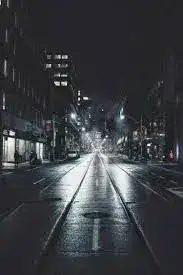
Discover the agony and ecstasy of street photography. I share my top 5 near-miss shots, revealing the tactical errors and valuable lessons learned to help you nail those fleeting moments.
The One That Got Away: My Top 5 Near-Miss Street Shots and What I Learned
Every street photographer knows the feeling. It’s a sharp, visceral punch of regret that hits you about three seconds after the most perfect, unbelievable confluence of light, subject, and moment has dissipated into thin air. We call it 'The One That Got Away.' Unlike studio or landscape work, street photography is unforgiving. There is no second chance. You can't ask the universe to reset the stage for you to capture that elderly couple holding hands under the neon sign while a single pigeon lands perfectly between them. It’s a hunt where failure is inherent, yet learning from those misses is the only path to mastery.
I’ve been capturing the urban narrative for over a decade, and frankly, my archive of 'misses' is far more instructional than my portfolio of successes. Today, I'm opening that painful folder. I’m sharing my top five most gut-wrenching near-misses and, more importantly, the crucial, hard-won lesson each failure hammered into my workflow. Prepare for some vulnerability, because sometimes, being a better photographer means admitting you just weren’t ready.
The Anatomy of the Near-Miss
A missed shot isn’t just a technical error; it’s usually a failure of anticipation, commitment, or preparation. A technical miss means your camera settings weren't right—too slow a shutter speed, or the focus landed on the wrong plane. A mental miss is far worse: you saw the shot, you framed it, but you hesitated. The difference between a keeper and a miss is often less than a tenth of a second, making our internal processing speed the ultimate limiting factor. The goal of reviewing these misses is to internalize the lessons so deeply that the correct response becomes automatic.
Near Miss #1: The Phantom Focus
The Scene: The Lone Businessman and the Splash
It was a torrential Tuesday afternoon in London. The pavement was slick, reflecting the dull grey sky in huge, shimmering sheets. I was standing near a bus stop, camera tucked under my jacket, waiting. Then, I saw him: a businessman in a pristine, light-grey suit, walking purposefully through the downpour, head down, utterly miserable. He stepped directly onto the edge of a huge puddle. The potential was incredible—the perfect moment of disruption, the man momentarily suspended in the air, a massive plume of water erupting around his polished shoes.
I raised the camera and fired. Click. Nothing. Why? Because I was shooting manual focus and, in my rush, I set the focus point to infinity, anticipating a wider shot down the street, not the close, dramatic action right in front of me. The man was tack sharp, but the splash, the critical element of the scene, was just soft enough to ruin the photo's impact. It was unusable.
The Hard Lesson: Embrace Zone Focusing
This near-miss taught me the absolute necessity of Zone Focusing in fast-moving street environments. Instead of relying solely on autofocus (which can hunt or lag) or precise manual focus (which is too slow), I learned to pre-set my aperture (f/8 or f/11) and manual focus distance (usually 8-10 feet, depending on the lens). This technique allows me to keep a massive depth of field in focus, ensuring that anything between 5 and 15 feet is acceptably sharp. When the splash happened, if my zone had been ready, I wouldn’t have needed to worry about focusing at all—I just would have had to press the shutter. Preparation isn’t just charging the battery; it’s setting your camera for the high-probability shots.
Near Miss #2: The Emotional Interruption
The Scene: The Raw Argument
I was sitting in a bustling outdoor market in Rome when a truly intense, passionate, and raw argument broke out between a vendor and a customer over the price of tomatoes. The body language was cinema-worthy: hands flying, faces contorted, sunlight catching the genuine frustration in their eyes. This was true human drama, a slice of life so unfiltered it bordered on performance art.
My camera was up. My settings were perfect. I had the frame locked. But I hesitated. Why? Because taking that shot meant acknowledging their conflict, invading their private emotional space, and possibly dealing with the fallout of being noticed. My internal moral compass momentarily overrode my photographer’s instinct. I lowered the camera for just a second to breathe, and by the time I raised it again, the argument had broken up into sullen silence. The energy was gone.
The Hard Lesson: The Seven-Second Rule of Commitment
If you see a moment and your instinct screams 'take the photo,' you have about seven seconds before your rational brain, your fear, or your sense of propriety catches up and shuts down the artistic impulse. This miss taught me that street photography requires ethical boundaries, yes, but within the moment of capture, you must be a machine of pure instinct. If the moment is public and fleeting, you must commit instantly. Ask forgiveness later (though usually, they never even notice), but never let a crucial moment pass because you stopped to debate the philosophy of the lens. Commitment is key.
Near Miss #3: The Background Betrayal
The Scene: The Dog, The Ball, and the Perfect Light
In a park, a small child was playing fetch with a massive golden retriever. The dog leaped impossibly high, perfectly silhouetted against a setting sun that was just kissing the horizon. The composition of the dog, the sun flare, and the outstretched hand of the child was divine. It was the cover photo I’d always dreamed of.
I took three quick frames. Later, reviewing the negatives (or files, in this case), I realized that in two of the three shots, a large, bright blue plastic waste bin sat squarely behind the dog’s head. In the third, the dog's action was slightly blurrier than I wanted. The bin—a hideous, modern piece of municipal infrastructure—sucked all the magic right out of the frame, turning a timeless moment into a snapshot.
The Hard Lesson: Frame for the Edges, Not the Center
We often fall into the trap of being so focused on the main subject (the leaping dog) that we neglect the edges of the frame. This miss was a brutal reminder that the background is the composition. Now, before I even look at my subject, I train myself to scan the four corners of the frame. Ask: What is supporting this moment? What is distracting from it? I learned to mentally remove the bin, the sign, or the person walking into the frame before I press the shutter, which often means slightly shifting my position—even a foot to the left can change the relationship between the subject and the background dramatically. Pre-visualization must include pre-editing the background.
Near Miss #4: The Lethargic Gear Failure
The Scene: The Unexpected Protest
I was casually meandering downtown, intending to grab coffee, when a flash protest suddenly erupted around the corner—hundreds of people marching, signs waving, incredible energy, noise, and color. It was electric. A once-in-a-month opportunity.
I grabbed my camera, turned it on, and… nothing. Dead battery. My spare battery was, predictably, in the bottom of my camera bag, which was secured tightly over my shoulder. By the time I fumbled with the clasp, located the spare, swapped it out, and powered up, the most photogenic part of the protest (the initial surge of signs and shouting) had passed me by. I got some decent shots of the aftermath, but the raw intensity was missed.
The Hard Lesson: The Three-Point Readiness Check
This isn't just about street photography; it’s about preparedness for any opportunistic pursuit. I implemented the Three-Point Readiness Check (3PRC) as soon as I step out the door: 1. Battery is full and in the camera. 2. Memory card is empty and in the camera. 3. Lens is set to basic action settings (P mode, high ISO, Zone Focus set). If you are out with a camera, you are hunting, regardless of whether you are heading to a coffee shop or a photography assignment. Your gear must be in a ready state. The moment of action doesn’t wait for you to fish around in your bag.
Near Miss #5: The Timing Paradox
The Scene: The Window Washer and the Silhouette
I noticed a window washer suspended high above the street, perfectly positioned to be silhouetted by the brilliant late afternoon sun on a skyscraper. I saw the potential for him to swing slightly, creating a dynamic diagonal line across the frame. I waited, and waited, and then thought, he's about to make his move. I pressed the shutter.
The resulting photo was good, but not great. It was the moment before the peak action. I had been slightly too early. Five seconds later, he swung again, catching a glorious diagonal and striking a pose that looked like a dancer. I missed the true peak by being anxious and triggering too soon.
The Hard Lesson: Wait for the Third Act
We often see something happening, anticipate the culmination, and shoot immediately. But human drama, and even simple action, follows a kind of narrative arc: anticipation, peak, and resolution. I now force myself to wait for the Third Act. When the window washer made his first tentative swing, that was the introduction. The full, dramatic commitment to the swing was the climax. Unless the moment is literally a sudden, non-repeatable event (like the splash in Near Miss #1), practice patience. Force yourself to hold the camera steady and wait one extra second. Nine times out of ten, that final, dramatic peak of tension or action is what separates a snapshot from a truly impactful photograph.
Synthesizing the Five Lessons into Action
These five painful lessons boil down to two essential skills for street photography improvement:
-
Technical Pre-Commitment: Use Zone Focusing and the 3PRC (Battery, Card, Settings). This eliminates technical friction and allows your instincts to take over when the moment hits.
-
Mental Agility and Patience: Commit instantly using the Seven-Second Rule, frame carefully (checking the edges), and wait for the Third Act. This ensures you capture the moment with maximum impact and minimal regret.
Street photography is a constant negotiation between chaos and control. The one that got away stings, but that sting is the most effective teacher you will ever have. Go back out there, remember the bin, charge your battery, and commit! The street is waiting for you to be ready.