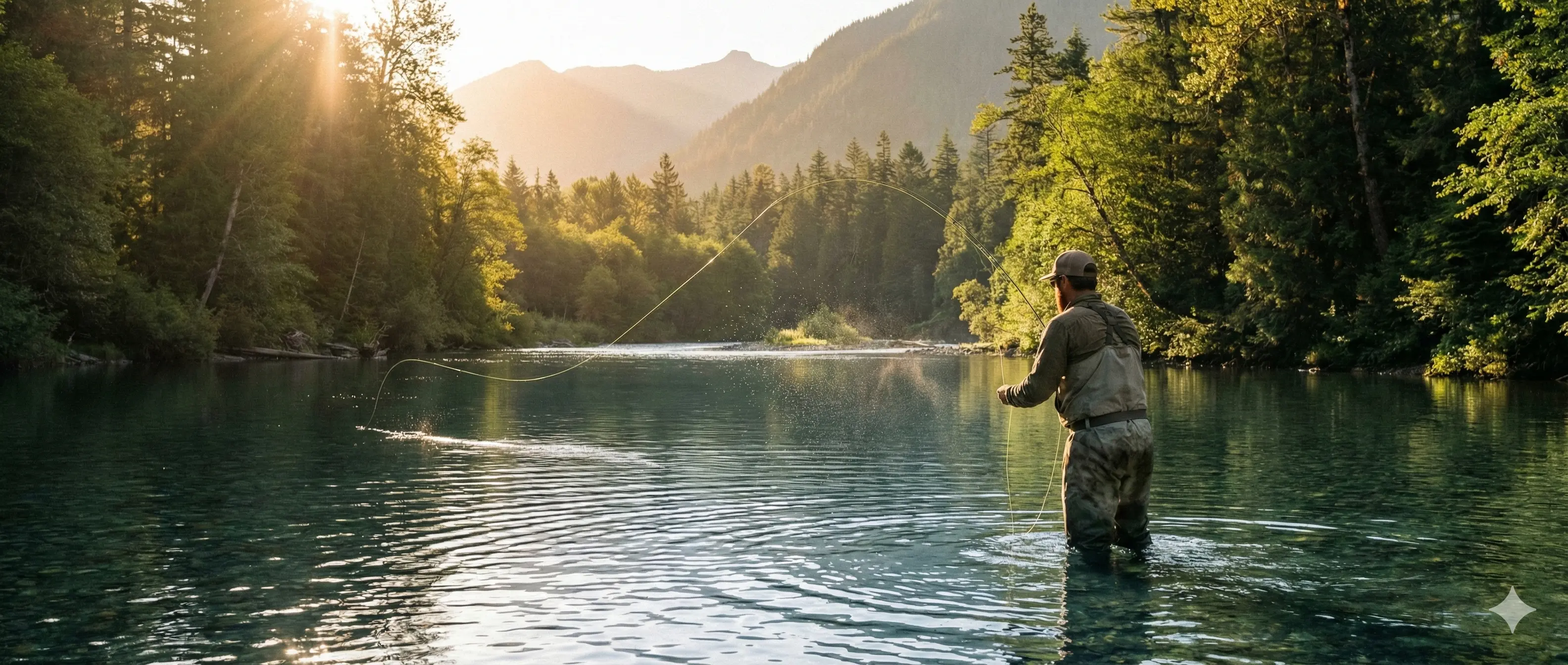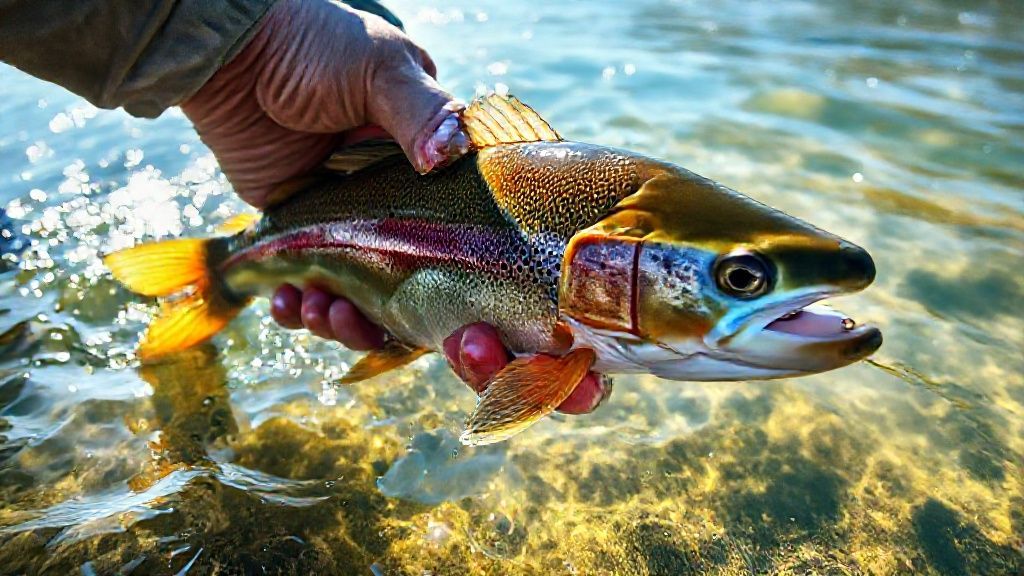
As the ice thaws and waters warm, spring signals prime time for passionate anglers to target spawning crappie and panfish. This guide delves into essential tactics, gear, and locations to maximize your catch during this exciting period, ensuring you're ready to hit the water with confidence.
Spring Fishing Tactics: Targeting Spawning Crappie and Panfish for Maximum Catch
As the last vestiges of winter fade and the sun's warmth penetrates our favorite fishing holes, a familiar buzz electrifies the angling community. Spring isn't just a season of renewal; it's a golden ticket for passionate hobbyists to experience some of the year's most exhilarating fishing – especially when targeting spawning crappie and panfish.
For many of us, the sight of clear, shallow water teeming with these aggressive, hungry fish is what we dream about all winter. This isn't just about catching fish; it's about understanding their biology, anticipating their moves, and executing a flawless presentation. Let's dive deep into the tactics that will help you fill your livewell and make this spring fishing season unforgettable.
The Spring Spawn: Understanding the Crappie and Panfish Rush
Before we cast a line, it's crucial to understand why these fish become so accessible and aggressive in spring. Crappie (both black and white) typically begin their spawn when water temperatures consistently reach the 55-65°F range. Panfish like bluegill and other sunfish follow shortly after, preferring temperatures between 65-75°F.
During this period, these fish move from deeper, overwintering areas into shallow, protected waters to build nests, lay eggs, and guard their fry. They are focused, territorial, and incredibly active – making them prime targets for anglers who know where and how to look.
Locating the Sweet Spots: Where Fish Set Up Shop
Finding spawning crappie and panfish isn't just about finding shallow water; it's about finding the right shallow water. Look for:
- Protected Coves and Bays: These areas warm up faster and offer shelter from wind and current.
- Shallow Flats with Structure: Think submerged brush piles, fallen trees, weed beds (especially lily pads just starting to emerge), rock piles, and old dock pilings. These offer cover and nesting sites.
- Darker Bottoms: Mucky or dark sandy bottoms absorb more sunlight, warming the water quicker.
- Visual Cues: For bluegill and other sunfish, you can often spot their circular beds in clear, shallow water. Crappie beds are less obvious but they'll be in similar locations.
Pro Tip: Pay close attention to water temperature. A quality thermometer is your best friend. A few degrees difference can mean fish are still staging in deeper water or have already moved in.
Crappie Tactics: Delicate Presentations for Slab-Sized Catches
Crappie are notoriously finicky, but during the spawn, their aggression increases. Still, a subtle approach often yields the best results.
Gear Up
- Rods: Light to ultra-light action rods (5-7 feet) with a sensitive tip are ideal for detecting subtle bites.
- Reels: Small spinning reels spooled with 4-6 lb test monofilament or fluorocarbon line.
- Line: Light line is crucial for a natural presentation and allows jigs to sink properly.
Bait & Lures
- Small Jigs: 1/32 to 1/16 oz jigs are standard. Try tube jigs, curly tail grubs, hair jigs, or marabou jigs. Popular colors include chartreuse, white, black/chartreuse, and pink.
- Live Minnows: Fished under a small bobber, a lively minnow is often irresistible.
Presentation is Key
- Vertical Jigging: Position your boat or yourself directly over submerged structure and gently drop your jig, twitching it slightly.
- Slip Bobbers: These allow you to set your depth precisely and cast without entanglement. Fish your jig or minnow just above or through the top of the cover.
- Slow Retrieve: If casting, a painfully slow and steady retrieve, with occasional pauses, often triggers strikes. Crappie often hit on the fall.
Panfish Power: Aggressive Bites and Abundant Action
Bluegill, sunfish, and other panfish are often more aggressive than crappie during the spawn, making for fast-paced action, especially when you find a bed.
Gear Up
- Rods: Ultra-light rods (4-6 feet) with a soft tip.
- Reels: Smallest spinning reels or even a cane pole for close-quarters bed fishing.
- Line: 2-4 lb test monofilament or fluorocarbon.
Bait & Lures
- Live Bait is King: Crickets, worms (red wigglers or pieces of nightcrawlers), wax worms, and mealworms are highly effective.
- Tiny Jigs: 1/64 to 1/32 oz jigs with small plastic bodies or hair. Natural colors, red, or black often work well.
- Small Spinners: Tiny inline spinners (e.g., Rooster Tails, Mepps) can also entice aggressive panfish.
Presentation is Key
- Targeting Beds: If you spot beds, approach stealthily. Cast your bait or jig just beyond the bed and slowly retrieve it through the center.
- Bobber Fishing: A small slip bobber or fixed bobber allows you to suspend live bait or a tiny jig right in the strike zone. Panfish will often pull the bobber straight down with conviction.
- Stealth: Panfish in shallow, clear water can be easily spooked. Keep your shadows off the water and move quietly.
Essential Spring Fishing Tips for Maximum Catch
- Be Observant: Look for subtle signs of fish activity – ripples, splashes, or baitfish darting. Use polarized sunglasses to see into the water.
- Experiment with Depth: Even in shallow water, fish might be holding at different depths (e.g., just above cover, or right on the bottom). Adjust your bobber stop or jigging depth until you find the sweet spot.
- Cover Water: Don't get stuck on one spot. If you're not getting bites, move to a different type of structure or another cove until you locate active fish.
- Early and Late: Dawn and dusk often provide the best action, especially on clear, sunny days when fish might retreat to slightly deeper water or denser cover during midday.
- Respect the Resource: Spawning fish are vulnerable. While it's exhilarating to catch a lot, consider practicing catch and release, especially for larger breeding females. Take only what you need, and always know your local regulations regarding creel limits and protected areas.
Conclusion
Spring crappie and panfish fishing is a highlight for any passionate angler. By understanding their spawning behavior, knowing where to look, and employing the right tactics, you're not just fishing; you're engaging with nature on a deeper level. So, gear up, embrace the warming weather, and prepare for some of the most rewarding and exciting fishing experiences the year has to offer. Tight lines and happy catching!