Elevate your angling game and ensure the health of our aquatic ecosystems! This season, delve into expert catch and release techniques that not only protect fish populations but also enhance your connection to the sport. Learn how to minimize stress, maximize survival, and become a true conservation-minded angler.
Pro Tips for Mastering Catch & Release Fishing Techniques This Season
For the passionate angler, fishing isn't just about the thrill of the catch; it's about respecting the resource and ensuring healthy fish populations for generations to come. Mastering catch and release (C&R) techniques is a hallmark of a responsible hobbyist. This season, let's refine those skills and become true stewards of our waterways.
Why Catch & Release Matters
C&R isn't merely a trend; it's a vital conservation strategy. By releasing fish unharmed, we contribute to:
- Population Stability: Allowing fish to reproduce and grow.
- Genetic Diversity: Maintaining robust and resilient fish stocks.
- Enhanced Fishing Experiences: Ensuring more fish are available for future encounters.
The Golden Rules of Gentle Handling
Every second a fish spends out of water or handled improperly increases its stress and reduces its chances of survival. Follow these core principles:
1. Minimize Fight Time
While a long fight can be exhilarating, it's exhausting for the fish.
- Use Appropriate Tackle: Match your gear to the target species to land fish efficiently without over-stressing them.
- Adjust Drag: Set your drag correctly to tire the fish quickly but avoid breaking your line.
2. Handle with Wet Hands & Care
Fish have a protective slime coat that acts as a barrier against disease.
- Wet Your Hands: Always wet your hands thoroughly before touching a fish to avoid removing this crucial slime.
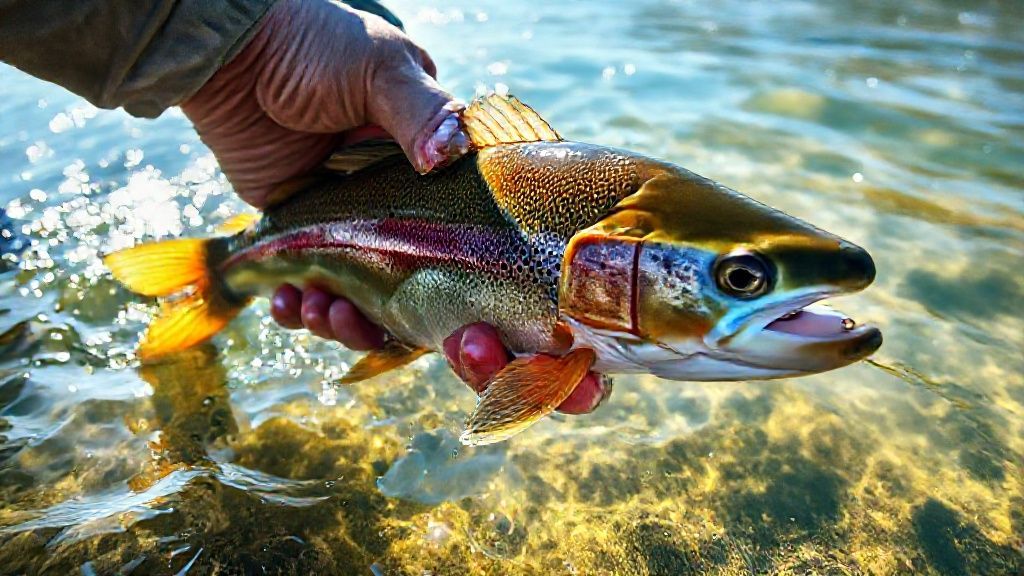
- Support the Body: If lifting a fish for a quick photo, support its entire body horizontally, especially larger fish. Never hold a fish by the jaw vertically if it's too heavy, as this can damage internal organs or the jaw itself.
- Avoid Gill Plates: Never put your fingers under the gill plates unless absolutely necessary for resuscitation, and even then, be extremely gentle.
3. De-hook Quickly & Efficiently
The faster you can remove the hook, the better.
- Barbless Hooks: Crimping down the barb on your hooks is perhaps the single most effective way to ensure quick, damage-free unhooking. Most fish rarely throw a barbless hook if proper tension is maintained.
- Use Tools: Carry a good pair of long-nosed pliers, forceps, or a de-hooking tool. These are invaluable for safely extracting hooks without deep penetration or extensive handling.
- In-Water Unhooking: Whenever possible, unhook the fish while it's still in the water, especially if it's a deep-set hook or a particularly sensitive species.
4. Prioritize a Knotless, Rubberized Net
If you must net a fish, choose wisely.
- Rubberized Nets: These nets are far superior to traditional knotted nylon nets, which can strip slime, damage fins, and injure fish. Rubberized nets are gentler and less likely to tangle hooks.
- Minimize Time in Net: Once in the net, work quickly to unhook and release.
5. Proper Release and Revival
Getting the fish back into the water is only half the battle; ensuring its recovery is crucial.
- Release Gently: Lower the fish into the water headfirst. Don't simply drop or toss it.
- Revive If Needed: If a fish appears lethargic or is struggling to swim away, hold it gently in the water, facing into the current. Move it back and forth slightly to push water over its gills until it regains its strength and swims away on its own. Be patient – this can take a few minutes.
- Observe: Watch the fish swim off to ensure it's heading for deeper water confidently.
Beyond the Basics: Advanced C&R Etiquette
- Avoid Overfishing Specific Spots: Even with C&R, constantly catching and releasing the same fish can be stressful. Move to a new spot if you're repeatedly landing fish from a small area.
- Educate Others: Share your knowledge and passion for ethical angling with fellow hobbyists.
- Be Mindful of Water Temperature: In warm water, fish are more stressed and retain less oxygen. Consider suspending fishing during extreme heat or targeting species more tolerant of warmer conditions.
Mastering catch and release isn't just a technique; it's a philosophy. It’s about recognizing that our passion for fishing comes with a responsibility to protect the very creatures that bring us so much joy. This season, let's cast with purpose, handle with care, and release with respect, ensuring a thriving future for our beloved sport.