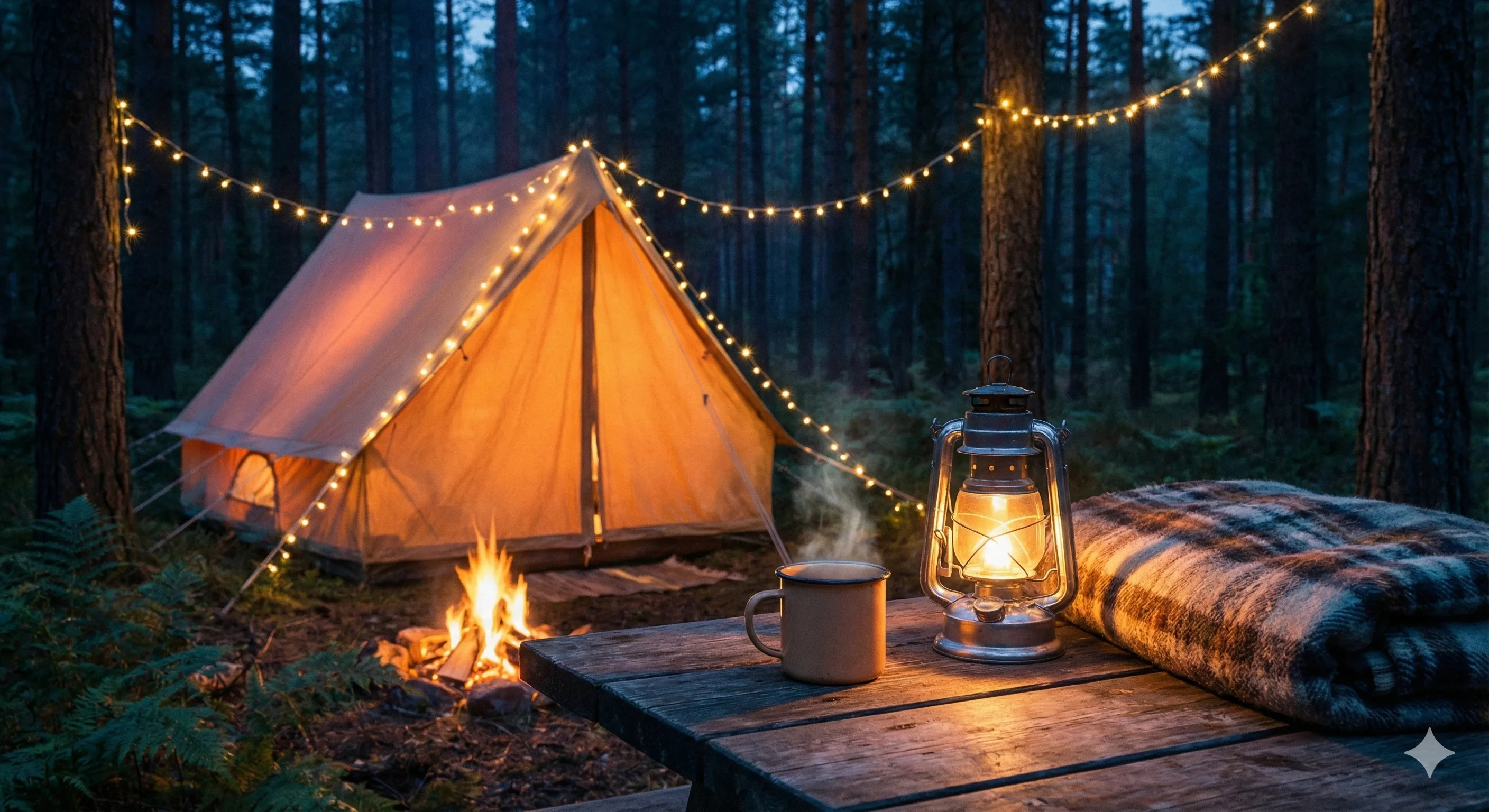
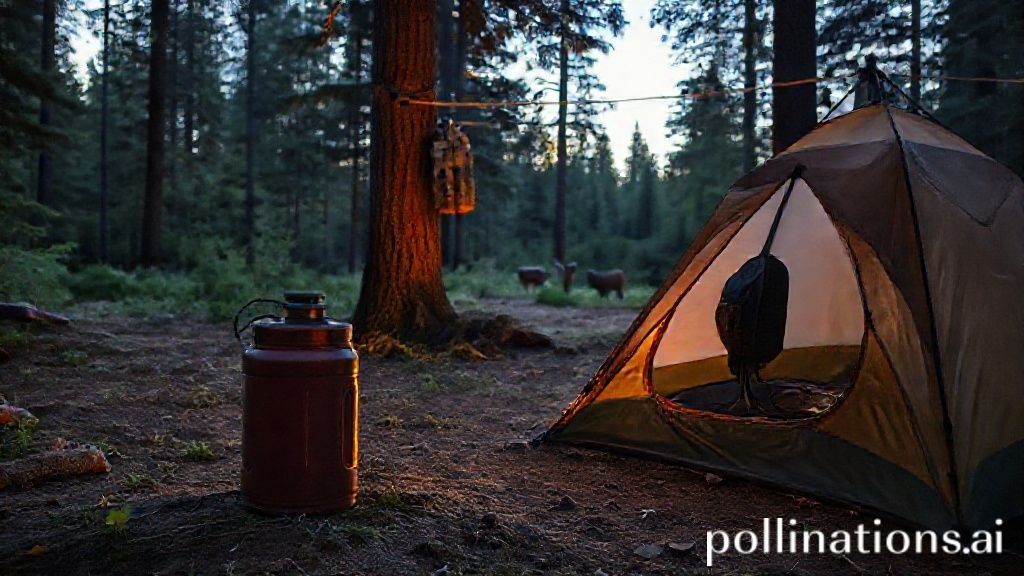
Embracing the solitude of solo camping offers unparalleled freedom, but true enjoyment hinges on meticulous preparation and smart practices. This guide arms passionate outdoors enthusiasts with essential safety tips, ensuring your next wilderness adventure is not just thrilling, but also secure and memorable.
The call of the wild, the promise of self-reliance, the pure solitude – solo camping offers an unparalleled escape for the passionate outdoors enthusiast. It’s an opportunity to truly disconnect, challenge yourself, and forge a deeper connection with nature. But with this profound freedom comes an equally profound responsibility: safety. Venturing into the wilderness alone demands meticulous preparation and a sharp awareness to ensure your experience is not just exhilarating, but also secure and ultimately enjoyable.
Pre-Trip Preparation: Your Foundation for Safety
-
Research, Research, Research: Knowledge is your greatest tool. Thoroughly research your chosen location. Understand the terrain, typical weather patterns, potential wildlife encounters (bears, cougars, venomous snakes), water sources, and any specific permits or regulations. Check recent trail conditions and closures.
-
Gear Up, Wisely: Every item in your pack serves a purpose. Beyond your basic shelter and sleeping system, prioritize safety essentials:
- Navigation: Reliable map, compass, and a fully charged GPS device/smartphone with offline maps. Know how to use them.
- Communication: Satellite messenger (SPOT, InReach) or personal locator beacon (PLB) is highly recommended for emergencies where cell service is non-existent. A fully charged phone for closer-to-civilization trips.
- First-Aid: A comprehensive kit tailored to your trip's length and remoteness, and know how to use it.
- Headlamp/Flashlight: With extra batteries.
- Fire Starter: Waterproof matches, lighter, ferro rod.
- Knife/Multi-tool: Essential for countless tasks.
- Water Filtration/Purification: Reliable system and backup.
-
The Itinerary Protocol: Tell Someone: This is non-negotiable. Share your detailed itinerary with a trusted friend or family member. Include your planned route, expected return date, and emergency contact information. Establish a check-in schedule if using a satellite communicator.
-
Practice Makes Perfect (and Safe): Don't wait until you're deep in the backcountry to figure out your gear. Practice setting up your tent, filtering water, using your navigation tools, and even cooking your meals. Familiarity breeds confidence and efficiency, especially in stressful situations.
During Your Trip: Vigilance and Awareness
-
Strategic Site Selection: Choose a campsite that is level, well-drained, and away from potential hazards like dead trees ("widowmakers"), flash flood zones, or animal trails. Consider visibility – do you want to be seen or discreet? Always follow Leave No Trace principles.
-
Constant Situational Awareness: Be present. Pay attention to your surroundings – unusual sounds, animal tracks, changing weather. Trust your instincts. If a situation feels off, it probably is. Keep an eye on the sky for rapidly changing weather patterns.
-
Master Navigation (Stay Found): Even with a GPS, regularly consult your map and compass to maintain awareness of your position. Identify landmarks. If you get disoriented, stop, stay calm, and retrace your steps or use your navigation tools to re-orient yourself.
-
Secure Your Food and Scent Items: Minimize attracting wildlife. Store all food, trash, and scented items (toothpaste, deodorant) in a bear-resistant canister or hung in a bear bag well away from your tent. Cook away from your sleeping area.
-
Fire Safety First: If permitted, build fires only in designated rings or safe, cleared areas. Keep water or a shovel nearby. Never leave a fire unattended, and ensure it's completely out – cold to the touch – before leaving.
-
Personal Security: While rare, human encounters can happen. Be aware of your surroundings, avoid displaying expensive gear unnecessarily, and consider carrying a personal alarm or self-defense item if permitted and you are trained to use it. The best defense is often avoidance and good judgment.
Mindset: Embrace the Solitude Responsibly
Solo camping is as much a mental game as it is a physical one. Cultivate a mindset of self-reliance, adaptability, and cautious optimism. Enjoy the peace, listen to nature, and allow yourself to be fully immersed. Don't let the quest for solitude override your commitment to safety.
Conclusion
The profound rewards of solo camping – the quiet introspection, the thrill of self-sufficiency, the raw beauty of the wilderness – are amplified when you feel truly secure. By meticulously preparing, staying vigilant, and respecting the wild, you transform potential risks into empowering experiences. So, pack smart, think critically, and step confidently into your next solo adventure, knowing you've done everything to make it a secure and unforgettable journey.