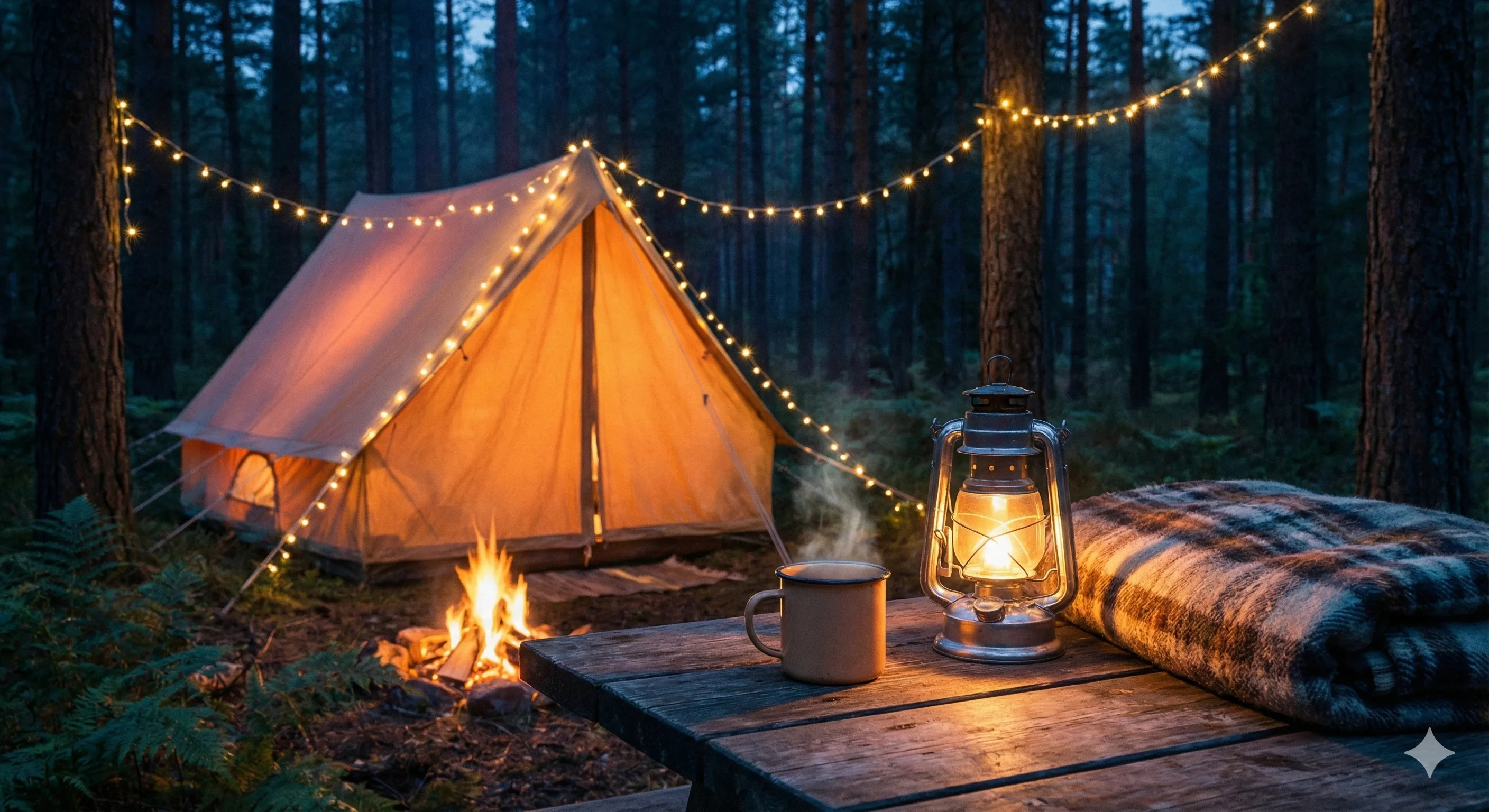
Dive deep into the science behind a perfect night's sleep in the wilderness. Learn how to optimize your sleeping pad, bag, layers, and tent to stay warm and comfortable, no matter the conditions, and elevate your outdoor adventures.
Sleeping System Science: Master Warmth & Comfort in Any Tent, Any Weather
For the passionate outdoors person, a good night's sleep isn't just a luxury; it's a critical component of safety, performance, and enjoyment. You've invested in your gear, honed your skills, and explored countless trails. But how well do you truly understand the science behind staying warm and comfortable when the temperature drops, or the humidity soars? Let's dive deep into the "sleeping system" – an often-underestimated cornerstone of every successful adventure.
Beyond the Bag: Understanding Your Integrated System
Many think "sleeping system" means just a sleeping bag. Wrong! It's an integrated quartet: your sleeping pad, sleeping bag, the layers you wear, and even your tent itself. Each plays a crucial role in managing heat transfer and ensuring your comfort.
1. The Foundation of Warmth: Your Sleeping Pad (Conduction is the Enemy!)
This is arguably the most overlooked piece of the puzzle. The ground, even on a mild night, is a relentless heat sink. It constantly siphons warmth from your body through conduction. Without adequate insulation beneath you, even the warmest sleeping bag will struggle.
- The Science: Sleeping pads are rated by their R-value, a measure of thermal resistance. A higher R-value means better insulation.
- R-value 2-3: 3-season, mild conditions.
- R-value 3-5: Cold 3-season, light winter.
- R-value 5+: Winter expeditions.
- Pro Tip: Don't just look at the bag's temperature rating; pair it with a pad appropriate for the lowest ground temperature you expect. You can also layer two pads (e.g., a foam pad under an inflatable) to boost your R-value significantly.
2. The Cozy Cocoon: Your Sleeping Bag (Loft is Your Friend!)
Your sleeping bag's primary job is to trap air, creating an insulating barrier. This trapped air resists heat loss via convection (air moving away from your body) and radiation (your body emitting heat).
- Down vs. Synthetic:
- Down: Offers superior warmth-to-weight ratio and compressibility due to its excellent loft (fluffiness). Fill power (e.g., 600, 800) indicates the quality of the down – higher means more loft per ounce. Down loses insulating properties when wet.
- Synthetic: Retains some warmth when wet, generally more affordable, but heavier and bulkier for the same warmth.
- Temperature Ratings: EN/ISO ratings provide a standardized measure.
- Comfort Rating: The temperature at which a standard woman can expect a comfortable night's sleep.
- Limit Rating: The temperature at which a standard man can sleep for eight hours in a curled position without being excessively cold.
- Pro Tip: Always choose a bag with a comfort rating slightly below the coldest temperature you anticipate.
3. Smart Layers: What You Wear Inside Your Bag (Evaporation Management)
What you wear to bed directly impacts your warmth and comfort, primarily by managing evaporation and adding insulation.
- Base Layers: Opt for merino wool or synthetic fabrics (polyester) that wick moisture away from your skin. Avoid cotton – it absorbs sweat and stays wet, chilling you rapidly.
- Mid-Layers: If it's truly cold, a light fleece or puffy jacket can be worn inside your bag to add critical insulation.
- Head & Feet: A significant amount of heat escapes from your head and extremities. Wear a warm hat and clean, dry wool socks to bed.
- The Science: Wicking fabrics move moisture from your skin to the fabric's outer surface, where it can evaporate away from your body, preventing evaporative cooling on your skin.
4. Your Mini-Shelter: The Tent (Condensation & Microclimate)
While not a direct heat source, your tent plays a vital role in protecting you from external elements and managing your internal microclimate.
- Wind & Rain: Obvious protection, preventing convective heat loss from wind and keeping you dry.
- Condensation: Your body releases moisture. If this moisture can't escape, it condenses on the tent walls, potentially soaking your gear and reducing your sleeping bag's loft. Proper ventilation (even in cold weather!) is key to reducing condensation and maintaining a dry internal environment. Crack those vents!
Optimizing for Ultimate Comfort: Beyond the Gear
- Hydration & Nutrition: Your body is a furnace. Fuel it properly! A warm, calorie-rich meal before bed helps your metabolism generate heat throughout the night. Staying hydrated is also crucial for bodily functions, including thermoregulation.
- Pre-Warm Your Bag: Do a few jumping jacks before crawling in. Get your blood flowing! A warm body will warm the bag more efficiently than a cold one.
- Pee Before Bed: A full bladder requires your body to expend energy to keep the urine warm – energy that could be used to keep your core warm.
- Site Selection: Pitch your tent in a sheltered spot out of direct wind, but be mindful of "cold sinks" (low-lying areas where cold air gathers).
Conclusion: Your Personalized Sleeping Science
Understanding the fundamental principles of heat transfer – conduction, convection, radiation, and evaporation – empowers you to build a sleeping system tailored to your physiology and your anticipated conditions. Don't just buy gear; understand how it works together. Experiment, learn from each trip, and refine your system. Because when you master sleeping system science, you unlock a deeper level of comfort and enjoyment in every outdoor adventure, no matter what the weather throws your way. Happy trails, and sleep tight!