Dive deep into the fundamental differences between saltwater and freshwater fishing, exploring how the unique environments demand distinct equipment, specialized techniques, and a different mindset for the passionate angler.
Saltwater vs. Freshwater Fishing: Unraveling the Gear & Technique Divide
For the uninitiated, fishing might seem like a singular pursuit – a rod, a reel, a line, and a hook. But for us passionate hobbyists, the world of angling is a vast ocean of specializations. Few distinctions are as profound as the chasm between saltwater and freshwater fishing. These aren't just different locations; they're entirely different disciplines, demanding unique equipment, specialized techniques, and a distinct mindset.
Whether you're an experienced bass angler contemplating a trip for marlin, or a seasoned offshore veteran curious about the tranquility of river trout, understanding these core differences is crucial. Let's cast off into the deep end and explore what sets these two incredible forms of angling apart.
The Fundamental Divide: Environment Dictates Everything
The primary driver behind all the variations between saltwater and freshwater fishing is, quite simply, the environment itself.
- Salinity: Saltwater is corrosive, demanding materials built to resist its harsh effects. Freshwater lacks this corrosive property.
- Size of Fish: Generally speaking, saltwater species tend to grow much larger and fight harder than their freshwater counterparts, requiring heavier gear.
- Openness of Water: Oceans are vast and deep with strong currents and tides. Lakes, rivers, and ponds offer more contained environments.
- Habitat: Coral reefs, kelp beds, open ocean vs. submerged logs, lily pads, river bends. Each offers unique challenges and hiding spots for fish.
Equipment: Built for Battle or Precision?
The most obvious distinctions lie in the tackle box. You wouldn't bring a knife to a gunfight, and you certainly wouldn't bring ultralight freshwater gear to tangle with a tuna.
Rods & Reels: Power, Durability, and Corrosion Resistance
- Saltwater Gear: Rods are typically heavier, longer, and boast stronger backbones to handle powerful runs and heavier lures. Reels are robust, often made from corrosion-resistant alloys (anodized aluminum, stainless steel) with sealed drag systems to withstand saltwater intrusion and the incredible pressure exerted by large game fish. Conventional reels are common for offshore trolling and bottom fishing, while heavy-duty spinning reels are popular for casting.
- Freshwater Gear: Rods range from ultralight for panfish to medium-heavy for bass or catfish, prioritizing sensitivity and casting accuracy over brute strength. Reels are generally lighter, focusing on smooth operation and precise drag adjustments. Materials are less critical for corrosion, allowing for more diverse constructions. Spinning and baitcasting reels dominate the freshwater scene.
Lines: Strength, Visibility, and Abrasive Environments
- Saltwater Lines: Higher breaking strains are the norm, often ranging from 20 lb to 100 lb+ for leaders. Braided lines are extremely popular due to their thin diameter-to-strength ratio, minimal stretch, and abrasion resistance, especially when paired with heavy fluorocarbon or monofilament leaders to absorb shock and provide invisibility near the lure.
- Freshwater Lines: Lines typically range from 4 lb to 20 lb. Monofilament remains a versatile choice for its stretch and knot strength, while fluorocarbon is favored for its invisibility and abrasion resistance around structure. Braided lines are also used, particularly for heavy cover or sensitivity, often with a fluorocarbon leader.
Lures, Baits & Terminal Tackle: Size, Material, and Target Species
- Saltwater Offerings: Lures are often much larger, heavier, and more robust to attract big game and withstand powerful bites. Think massive poppers, heavy jigs, large plugs, and natural baits like squid, mullet, or mackerel. Terminal tackle (hooks, swivels, snaps) is significantly stronger, larger, and corrosion-resistant, often made from stainless steel or high-carbon steel, designed to withstand immense pressure without bending or rusting.
- Freshwater Offerings: Lures are generally smaller and more varied, mimicking local forage like minnows, insects, or crawfish. Soft plastics, spinnerbaits, crankbaits, and topwater frogs are staples. Natural baits like worms, crickets, or shiners are also common. Terminal tackle is smaller, finer, and focused on subtlety, often made of plain steel or bronze, as corrosion is less of an immediate concern.
Techniques: Reading the Water and Fighting the Fish
Beyond the gear, the actual act of fishing changes dramatically between environments.
Casting & Retrieval: Adapting to Space and Current
- Saltwater Tactics: Often involves long casts from shore or boat into vast open waters, or precise drops to structure hundreds of feet below. Trolling, drift fishing, and kite fishing are common techniques to cover large areas or present baits to pelagic species. Retrieval methods are varied, from high-speed retrieves for fast-moving predators to slow, bottom-bouncing for demersal species.
- Freshwater Tactics: Frequently requires more precise casting into tight spots (under trees, into lily pads) or along specific structures. Anglers might 'finesse' a lure to entice a wary fish or 'power fish' with aggressive retrieves. Techniques like flipping, pitching, jigging, and working topwater baits are common, often targeting specific ambush points.
Fighting the Fish: Brute Strength vs. Finesse
- Saltwater Fights: Get ready for sustained battles of brute strength. Many saltwater fish make long, powerful runs, testing your drag and stamina. Techniques involve pumping and reeling, adjusting boat position, and often extended fights that can last hours for species like tuna or marlin. The objective is to apply maximum pressure without breaking the line or tackle.
- Freshwater Fights: While some freshwater species like muskie or salmon put up incredible fights, they typically involve shorter, more explosive bursts rather than prolonged, drag-screaming runs. Fights are often about guiding the fish away from snags and using the rod's flex to wear it down. Finesse and sensitivity are key to detecting subtle bites and managing lighter lines.
Locating Your Quarry: Structure, Tides, and Habitat
- Saltwater Spotting: Involves understanding tides, currents, salinity breaks, water temperature, and identifying structure like reefs, wrecks, drop-offs, or bait balls. Sonar, radar, and satellite imagery are critical tools for offshore anglers. Birds working the surface can often indicate baitfish, and thus predators below.
- Freshwater Spotting: Focuses on natural and artificial structure within a lake or river: weed beds, submerged logs, rock piles, sudden depth changes, creek channels, and docks. Understanding fish behavior based on seasonal patterns, water temperature, and time of day is paramount. Bankside vegetation, water flow, and clarity are also key indicators.
Beyond the Tackle Box: Mindset and Maintenance
Finally, the philosophical approach to each fishery differs. Saltwater fishing often involves more planning, bigger boats, longer trips, and a greater emphasis on safety and preparation for unpredictable conditions. The thrill is in the challenge of the open water and the immense power of the fish.
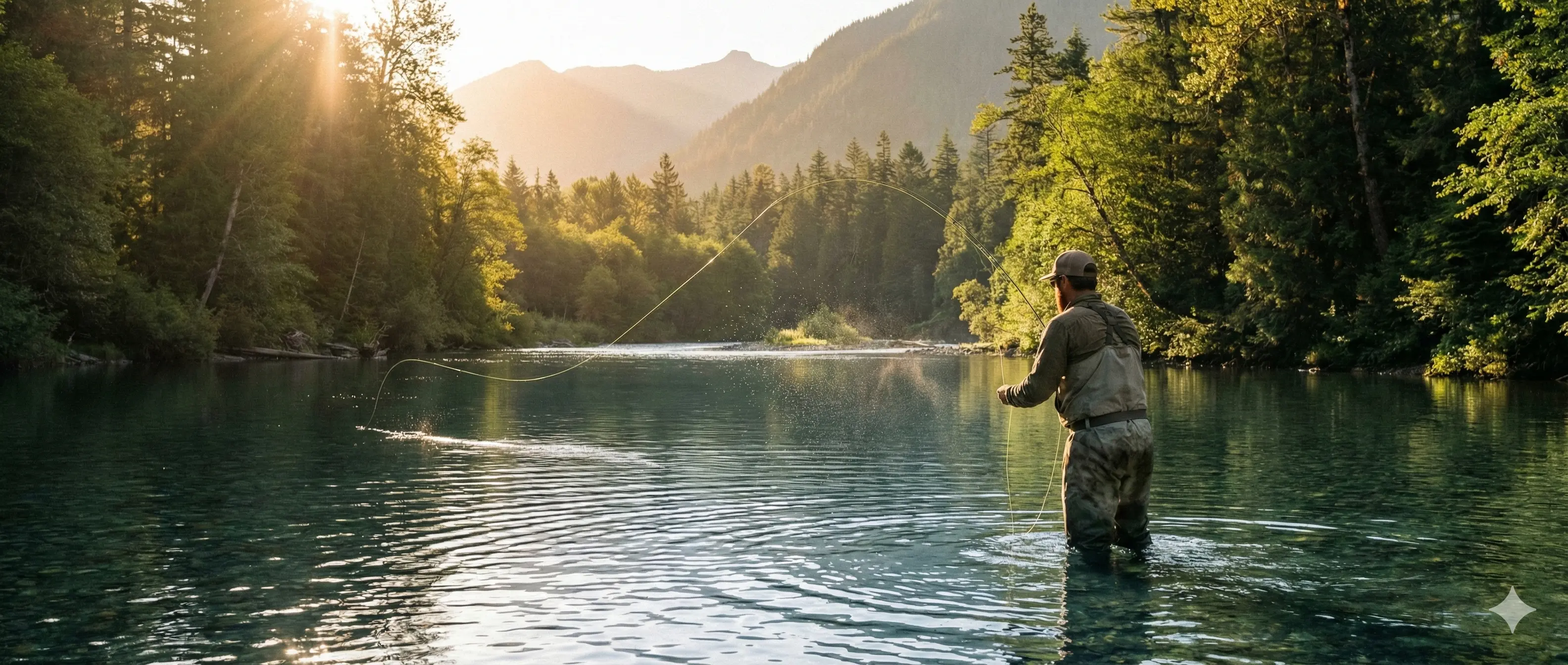
Freshwater fishing, while equally challenging, often presents opportunities for more serene, accessible experiences, focusing on patience, observation, and mastering a specific technique.
Crucially, maintenance is paramount for saltwater gear. The corrosive nature of salt demands thorough rinsing with freshwater after every use, regular lubrication, and inspection to prevent rust and ensure longevity. Freshwater gear, while still requiring care, is far more forgiving.
Conclusion
Whether you prefer the tranquil solitude of a freshwater lake or the adrenaline-pumping chaos of the open ocean, both forms of fishing offer unique rewards and challenges. Understanding the fundamental differences in equipment and techniques isn't just about choosing the right gear; it's about appreciating the intricate relationship between angler, fish, and environment. So, what's calling your name? Grab your appropriate gear, hit the water, and prepare for your next adventure!