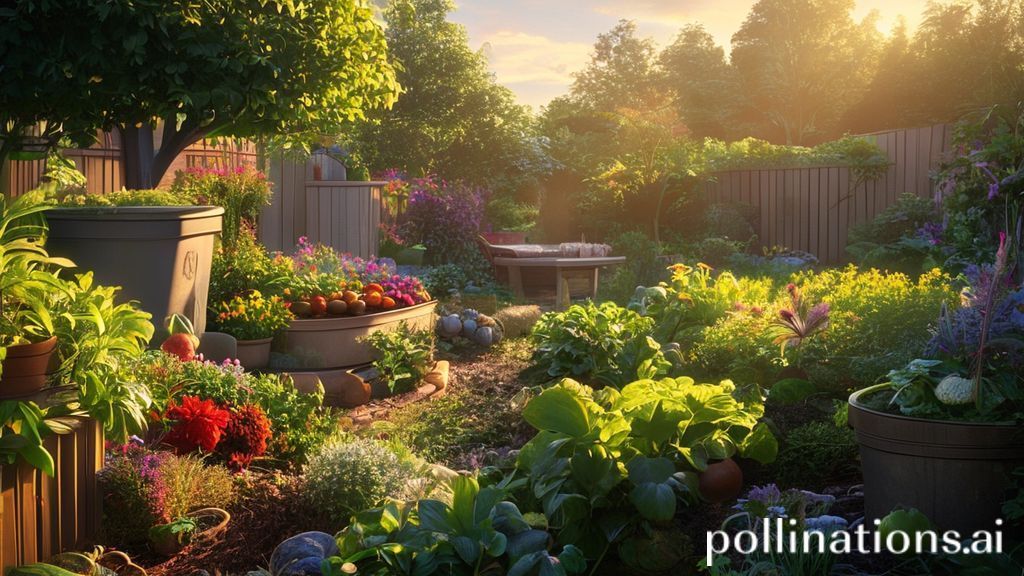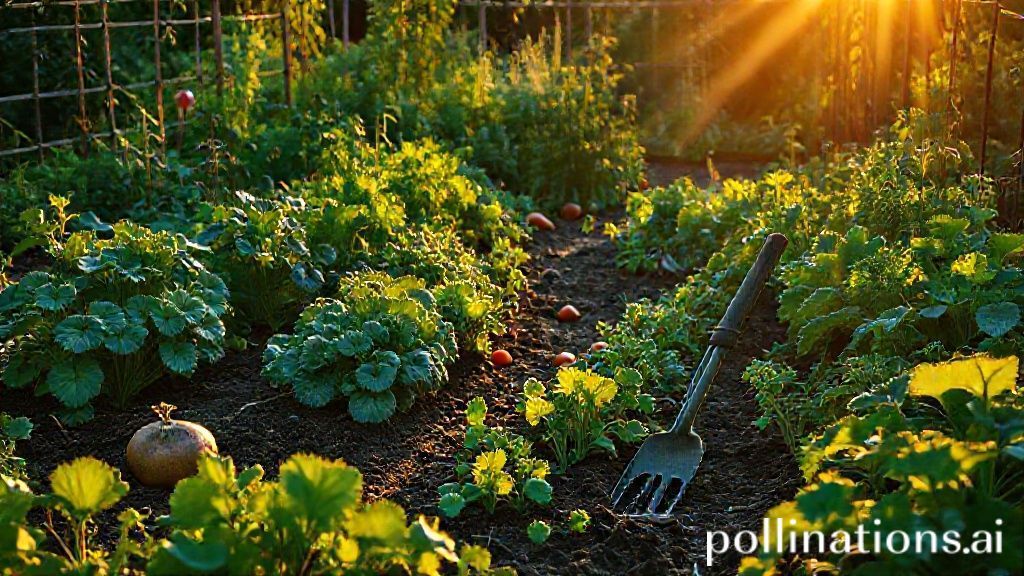
Ready to trade your tackle box for a trowel or your latest novel for some nurturing soil? Discover the joy and satisfaction of growing your own delicious, organic vegetables. This comprehensive guide will transform any passionate hobbyist into a confident organic gardener, turning your green dreams into a bountiful reality.
The Ultimate Guide to Starting Your Thriving Organic Vegetable Garden
Welcome, fellow enthusiast! Whether your passion lies in the intricate patterns of a fly-fishing lure, the lore within ancient texts, or the precise mechanics of a board game, there's a primal satisfaction in nurturing life from the earth. This guide is crafted for you – the dedicated hobbyist ready to embark on a new, incredibly rewarding adventure: creating your very own thriving organic vegetable garden.
Imagine plucking a sun-ripened tomato straight from the vine, knowing every step of its journey from seed to plate was chemical-free, sustainable, and powered by your own hands. That's the magic of organic gardening, and it's far more accessible than you might think.
Why Go Organic?
Going organic isn't just a trend; it's a commitment to health, sustainability, and superior taste. Here's why it matters:
- Healthier Produce: No synthetic pesticides, herbicides, or fertilizers mean your vegetables are free from harmful residues.
- Better Taste: Organic produce often boasts richer, more authentic flavors, thanks to healthier soil and slower growth.
- Environmental Stewardship: Organic practices protect biodiversity, preserve soil health, conserve water, and reduce your carbon footprint.
- Sustainable Ecosystem: You'll attract beneficial insects and wildlife, creating a balanced natural environment right in your backyard.
Chapter 1: Planning Your Organic Oasis
Every great endeavor starts with a solid plan. Your garden is no exception.
1.1 Location, Location, Location
Sunlight is the lifeblood of most vegetables. Aim for a spot that receives at least 6-8 hours of direct sunlight per day. Observe your yard throughout the day to identify the sunniest spots. Consider:
- Accessibility: Choose a place easy to reach for daily watering and harvesting.
- Water Source: Proximity to a hose or rain barrel will save you time and effort.
- Wind Protection: Strong winds can damage plants. Fences, hedges, or even other plants can provide a valuable windbreak.
1.2 Soil is Everything (Seriously!)
Think of soil as the stomach of your plants. Healthy soil leads to healthy plants. For organic gardening, this means focusing on building rich, living soil, not just feeding the plants directly.
- Soil Test: Start with a professional soil test (available at local extension offices or garden centers). This will tell you your soil's pH and nutrient levels, guiding your amendments.
- Compost is King: Incorporate generous amounts of well-rotted compost. It improves soil structure, drainage, water retention, and provides a slow release of nutrients.
- Organic Matter: Beyond compost, add aged manure, leaf mold, or other organic materials to enrich your soil.
- No-Till/Minimum-Till: Disturbing the soil as little as possible helps preserve its delicate structure and microbial life.
1.3 Choosing Your Crops
Start with what you love to eat and what's well-suited to your climate.
- Beginner-Friendly Vegetables: Lettuce, spinach, radishes, bush beans, Swiss chard, zucchini, and cherry tomatoes are generally forgiving.
- Sun Needs: Match plant sunlight requirements to your garden's conditions.
- Space Requirements: Be mindful of how large plants will grow. Vertical gardening (trellises, stakes) can maximize space.
- Succession Planting: Plan to plant smaller, quicker crops every few weeks to ensure a continuous harvest.
Chapter 2: Getting Your Hands Dirty: Planting!
Once your plan is solid and your soil is prepped, it's time for the fun part!
2.1 Starting Seeds vs. Buying Transplants
Both methods have their merits:
- Starting Seeds: Allows for a wider variety of plants, is more cost-effective, and gives you complete control from day one. Requires indoor setup (grow lights, heat mats) for many crops.
- Buying Transplants: Convenient, gives plants a head start, and bypasses the delicate seedling stage. Look for organic-certified transplants to ensure a chemical-free beginning.
2.2 Planting Techniques
- Spacing: Follow package directions for spacing. Overcrowding leads to poor air circulation and increased disease.
- Depth: Plant seeds and seedlings at the recommended depth. Too shallow, they dry out; too deep, they can't emerge.
- Watering at Planting: Always water thoroughly immediately after planting to settle the soil around roots.
Chapter 3: Nurturing Your Organic Garden
Gardening is an ongoing conversation with nature. Regular attention ensures a bountiful harvest.
3.1 Water Wisely
- Deep and Infrequent: Encourage deep root growth by watering deeply rather than frequent shallow sprinkles. This makes plants more resilient.
- Morning Watering: Water in the morning to allow foliage to dry before nightfall, reducing fungal disease risk.
- Drip Irrigation/Soaker Hoses: These methods deliver water directly to the root zone, minimizing evaporation and water waste.
3.2 Organic Pest and Disease Management
Prevention is key! A healthy, diverse garden is naturally more resistant.
- Inspect Regularly: Catch problems early by checking your plants daily.
- Hand-Picking: For larger pests like slugs or hornworms, simply pick them off and dispose of them.
- Companion Planting: Certain plants repel pests or attract beneficial insects. Marigolds deter nematodes; dill attracts predatory wasps.
- Beneficial Insects: Encourage ladybugs, lacewings, and parasitic wasps, which feast on garden pests.
- Organic Sprays: As a last resort, use organic-approved solutions like neem oil or insecticidal soap.
- Crop Rotation: Don't plant the same crop in the same spot year after year; this breaks pest and disease cycles.
3.3 Weed Control
Weeds compete for water, nutrients, and sunlight.
- Mulching: A 2-4 inch layer of organic mulch (straw, wood chips, shredded leaves) suppresses weeds, retains moisture, and moderates soil temperature.
- Hand-Weeding: Pull weeds when they are small and the soil is moist. Get the roots!
- Hoeing: For larger areas, a sharp hoe can quickly dispatch young weeds.
3.4 Feeding Your Soil (Not Just Your Plants)
In organic gardening, you feed the soil, and the soil feeds the plants.
- Compost: Continue to top-dress your garden beds with compost throughout the growing season.
- Liquid Feeds: Compost tea or organic fish emulsion can provide a quick boost of nutrients.
- Cover Crops: In off-seasons, plant cover crops (like clover or vetch) to protect and enrich the soil, then 'chop and drop' them back into the bed before planting.
Chapter 4: Harvesting Your Bounty
This is the moment you've been working for! Harvest at the peak of ripeness for the best flavor.
- Frequent Harvesting: Many crops (beans, zucchini, cucumbers) produce more the more you pick them.
- Know Your Crops: Understand when each vegetable is ready. A ripe tomato feels firm and smells fragrant; lettuce leaves can be harvested from the outside.
- Morning Harvest: Picking in the cool morning air often means crisper, more flavorful produce.
Chapter 5: Troubleshooting Common Organic Garden Issues
Even experienced gardeners face challenges. Don't be discouraged!
- Yellowing Leaves: Often indicates nutrient deficiency (check soil test!), overwatering, or underwatering.
- Wilting Plants: Usually a sign of too little or too much water. Check soil moisture.
- Holes in Leaves: Identify the culprit! Look for slugs, snails, caterpillars. Use appropriate organic remedies.
- Poor Fruit Set: Can be due to lack of pollinators (plant more flowers!), extreme temperatures, or nutrient imbalance.
Conclusion: Your Green Journey Begins Now
Starting an organic vegetable garden is more than just growing food; it's a journey of learning, connection, and immense satisfaction. It's about slowing down, observing nature's rhythms, and nourishing yourself and your loved ones with the purest produce imaginable.
From the meticulous planning to the joyous harvest, every step offers a chance to deepen your understanding and appreciation for the natural world. So, roll up your sleeves, grab your favorite gardening tool, and dig into this incredible hobby. Your thriving organic oasis awaits!
Happy Gardening!