For those of us who live for the next adventure, protecting the wild places we cherish is paramount. This guide dives deep into the seven Leave No Trace principles, offering actionable advice to minimize your impact and preserve the beauty of the outdoors for generations to come.
Mastering the Outdoors: Your Guide to Leave No Trace Principles
As passionate hobbyists, we seek solace, thrill, and connection in the embrace of the wild. Whether it's the quiet contemplation of a remote campsite, the challenge of a rugged trail, or the pure joy of discovering an untouched vista, these experiences nourish our souls. But with every step, every cast, every tent pitched, comes a profound responsibility: to leave these places as we found them – or even better. This isn't just a courtesy; it's a commitment to conservation, ensuring that the magic endures for us and for future generations.
Enter the Leave No Trace (LNT) principles. These aren't just rules; they're a philosophy, a mindset, and a practical framework for ethical outdoor recreation. Developed by the Leave No Trace Center for Outdoor Ethics, these seven principles empower us to make conscious choices that minimize our environmental and social impact. Let's dive in and elevate our outdoor stewardship.
1. Plan Ahead and Prepare
This is the cornerstone of responsible outdoor activity. Good planning helps prevent emergencies and minimizes your impact.
- Know Before You Go: Research regulations and special concerns for the areas you'll visit. Are fires allowed? Are permits needed? What are the local wildlife concerns?
- Pack Smart: Carry appropriate gear for weather, terrain, and duration. Don't forget essentials like a map, compass/GPS, first-aid kit, and headlamp.
- Food & Water: Repackage food to minimize waste and bring reusable water bottles. Know your water sources and purification methods.
- Share Your Plan: Let someone reliable know your itinerary, including your expected return.
2. Travel and Camp on Durable Surfaces
Concentrating impact protects fragile ecosystems.
- Stick to Trails: Walk in the middle of established trails, even muddy ones, to prevent widening them. Avoid creating new paths.
- Choose Established Campsites: Camp in designated areas or on sites that show obvious signs of previous use. Look for sites away from water sources (at least 200 feet/60 meters).
- Minimize Footprint: Avoid trampling vegetation. In pristine areas, disperse your group and movements to prevent creating new impacts.
3. Dispose of Waste Properly (Pack It In, Pack It Out)
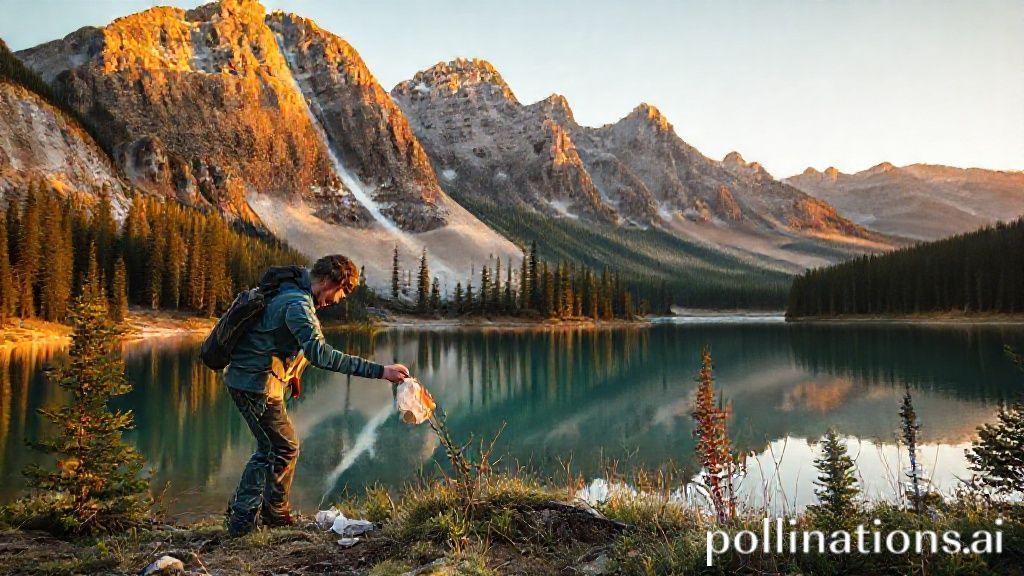
This principle is simple: if you bring it in, you take it out. Every single piece.
- Garbage: All trash, including food scraps, fruit peels, and even biodegradable items, must be packed out. They take a long time to decompose and can attract wildlife.
- Human Waste: Bury human feces in a 6-8 inch deep "cathole" at least 200 feet from water, trails, and campsites. Pack out toilet paper and hygiene products. Consider using a WAG bag in sensitive areas.
- Dishwater: Broadcast strained dishwater at least 200 feet from water sources.
4. Leave What You Find
Allow others the joy of discovery and let natural processes unfold.
- No Souvenirs: Leave natural objects like rocks, wildflowers, antlers, and cultural artifacts where you find them. Take only photos, leave only footprints.
- Avoid Altering Sites: Do not build structures, furniture, or dig trenches around tents. Appreciate natural beauty as it is.
5. Minimize Campfire Impacts
Campfires are iconic, but they require careful management.
- Use Established Fire Rings: Whenever possible, use existing fire rings. In backcountry settings where fires are permitted and no rings exist, consider a mound fire or fire pan.
- Small Fires: Keep fires small and use only downed wood that can be broken by hand. Never break branches off living or dead trees.
- Burn Wood to Ash: Allow wood to burn completely to ash. Then, drown the fire with water, stir, and drown again until it's cool to the touch. Scatter the cold ashes.
6. Respect Wildlife
Our presence can disturb wildlife. Observe from a distance.
- Observe from Afar: Never approach, follow, or feed wild animals. Feeding wildlife can harm their health, alter natural behaviors, and expose them to predators.
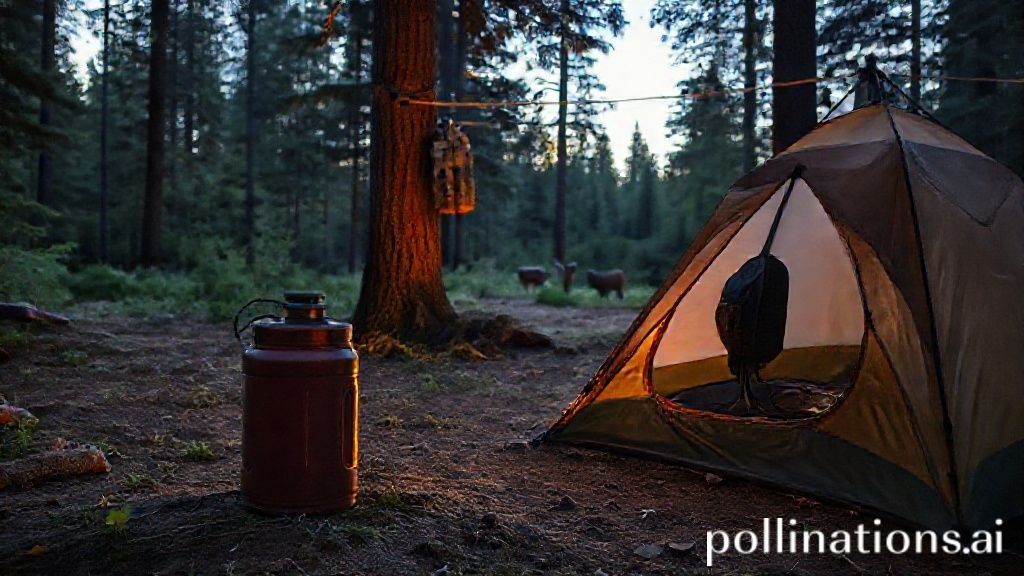
- Store Food Securely: Protect food and trash from animals using bear canisters, food bags hung from trees, or secured in vehicles.
- Keep Pets Under Control: Leash pets or ensure they are under strict voice control to prevent harassment of wildlife and other visitors.
7. Be Considerate of Other Visitors
The outdoors is a shared experience. Courtesy goes a long way.
- Yield to Others: Hikers yield to horses, and bikers yield to both. Uphill traffic generally has the right-of-way.
- Minimize Noise: Keep voices and electronic devices at a reasonable volume to preserve the tranquility of the wilderness for everyone.
- Respect Privacy: Choose campsites out of sight and sound of other groups.
Embrace the Ethic
Integrating the Leave No Trace principles into every trip isn't about restriction; it's about enhancement. It deepens our connection to nature by fostering a sense of stewardship and appreciation. For us, the passionate hobbyists, it's a testament to our love for the outdoors, a promise to protect the very experiences we cherish.
Let's commit to practicing these principles on every adventure, inspiring others by example, and ensuring that our wild places remain wild for generations of explorers to come. Your impact matters – make it a positive one.