Dive deep into the world of outdoor adventure with this comprehensive guide to mastering fishing, hunting, and camping across all four seasons. From essential gear and seasonal techniques to safety protocols and ethical considerations, passionate hobbyists will discover everything needed to transform every outdoor excursion into a successful and memorable experience.
The Ultimate Guide to Mastering Outdoor Hobbies: Fishing, Hunting, and Camping for Every Season
There's a primal pull to the wild, a call to connect with nature that resonates deep within many of us. For the passionate hobbyist, this call translates into a lifelong pursuit of mastering outdoor skills – skills like fishing, hunting, and camping. These aren't just pastimes; they are disciplines that demand patience, knowledge, respect, and adaptability. More importantly, they offer unparalleled opportunities for challenge, reflection, and profound connection with the natural world.
This in-depth guide is your compass to navigating the diverse landscapes of fishing, hunting, and camping, empowering you to thrive in every season. We’ll delve into the nuances of each activity, providing actionable insights, essential gear recommendations, and crucial safety advice to elevate your outdoor adventures from mere recreation to true mastery.
The Foundational Pillar: Camping for Every Season
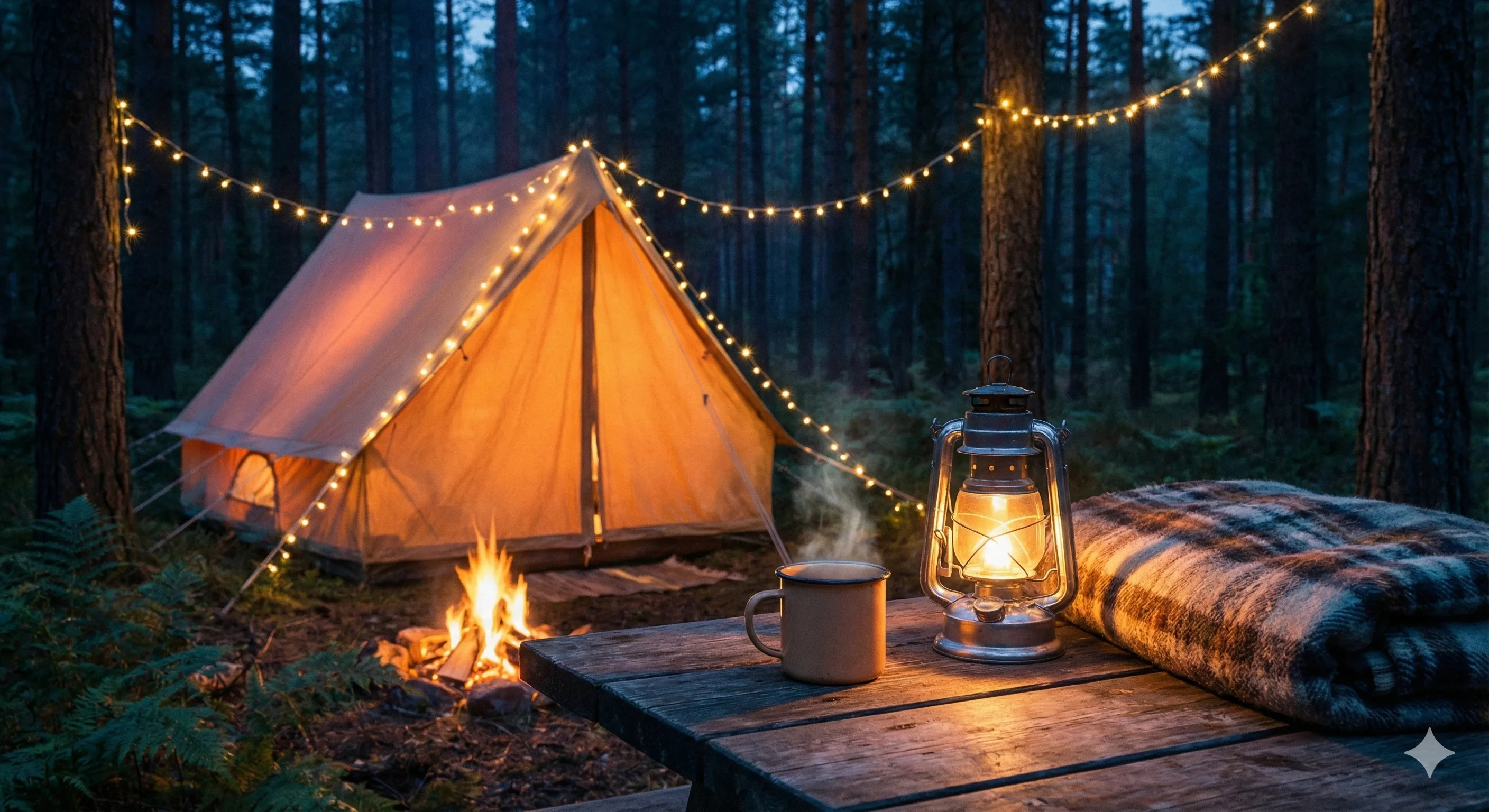
Camping is often the nexus where fishing and hunting expeditions begin and end. It's the art of creating a temporary home in the wild, and mastering it across all seasons is fundamental to any multi-season outdoor enthusiast.
Spring Camping: Reawakening the Wild
Spring brings new life, but also unpredictable weather. Expect mud, sudden showers, and variable temperatures.
- Gear Essentials: Lightweight, three-season tent with good waterproofing, waterproof boots, quick-drying clothing (synthetics/wool), rain gear (jacket and pants), warm sleeping bag (15-30°F rating), compact stove.
- Tips for Success: Choose elevated campsites to avoid pooling water. Lay down a ground tarp under your tent. Pack layers to adapt to temperature swings. Be mindful of melting snow and swollen rivers. Enjoy the emergence of wildflowers and early wildlife activity.
Summer Camping: Embracing the Sun
Long days and warm nights define summer camping, but also introduce heat, insects, and potential overcrowding.
- Gear Essentials: Well-ventilated tent, lightweight sleeping bag or quilt, bug repellent, sunscreen, wide-brimmed hat, water filter/purifier, portable cooler.
- Tips for Success: Hydration is paramount. Seek shaded campsites. Be prepared for mosquitoes and ticks. Plan trips to less-trafficked areas if seeking solitude. Respect fire bans during dry periods. Water activities (swimming, kayaking) are a great way to cool off.
Autumn Camping: Nature's Grand Finale
Autumn offers crisp air, stunning foliage, and fewer bugs, making it a favorite for many, but temperatures can drop quickly.
- Gear Essentials: Three-season tent, warmer sleeping bag (0-20°F rating), insulating layers (fleece, down), reliable camp stove, headlamp with extra batteries.
- Tips for Success: Layering is key for fluctuating temperatures. Be aware of shorter daylight hours and plan accordingly. Autumn is prime hunting season, so be visible if not hunting and be aware of local regulations. Enjoy stargazing as the nights grow clearer.
Winter Camping: The Ultimate Test
Winter camping is challenging but immensely rewarding, offering profound solitude and breathtaking scenery.
- Gear Essentials: Four-season tent (designed for snow/wind loads), zero-degree or colder sleeping bag, insulated sleeping pad (high R-value), insulated boots, multiple layers of warm clothing (down parka, wool base layers), snowshoes/skis, portable winter-rated stove, shovel.
- Tips for Success: Hypothermia is a serious risk; stay dry and well-fed. Ventilate your tent to prevent condensation. Learn proper snow shelter construction. Be aware of avalanche risks in mountainous terrain. Use a buddy system. Practice Leave No Trace principles meticulously, as impacts can last longer in winter environments.
General Camping Essentials (Year-Round):
Regardless of the season, some items are always crucial:
- Navigation: Map, compass, GPS device (and knowing how to use them).
- First Aid Kit: Comprehensive and regularly restocked.
- Fire Starter: Waterproof matches, lighter, ferro rod.
- Multi-tool/Knife: Indispensable for various tasks.
- Headlamp/Flashlight: With spare batteries.
- Water: Ample supply or purification method.
- Emergency Shelter: Tarp or survival blanket.
The Angler's Pursuit: Fishing Through the Year
Fishing techniques and target species shift dramatically with the seasons. Adapting your approach is the hallmark of a master angler.
Spring Fishing: The Spawn and Beyond
As waters warm, fish become more active, often moving to shallower areas for spawning.
- Target Species: Trout, crappie, bass (post-spawn), walleye, pike.
- Techniques: Focus on shallow structure. Use jigs, spinners, live bait (worms, minnows) for panfish. For bass, try jerkbaits or lipless crankbaits around emerging vegetation. Fly fishing for trout is excellent as insects hatch.
- Gear: Light to medium spinning tackle, waders for stream fishing, varied lure selection for different depths.
Summer Fishing: Deep Water and Early Mornings
Hot temperatures push many fish to deeper, cooler waters or make them most active during dawn and dusk.
- Target Species: Bass (deep), catfish, panfish (early/late), saltwater species.
- Techniques: Target deeper drop-offs, submerged structures, or thermoclines. Topwater lures are effective during low light. Catfish can be targeted throughout the night with stink baits or cut bait. For saltwater, deep jigging or trolling may be required.
- Gear: Sun protection, diverse lure selection for various depths, heavier tackle for larger species.
Autumn Fishing: The Feed Before Freeze
Fish enter a pre-winter feeding frenzy, often becoming more aggressive and easier to catch.
- Target Species: Pike, musky, salmon (spawning runs), trout, bass.
- Techniques: Use larger, more aggressive baits. Target areas where baitfish congregate. For salmon, focus on river mouths and spawning grounds. Trolling deep-diving crankbaits can be effective for predatory fish.
- Gear: Heavier rods and reels, warmer clothing, net for larger fish.
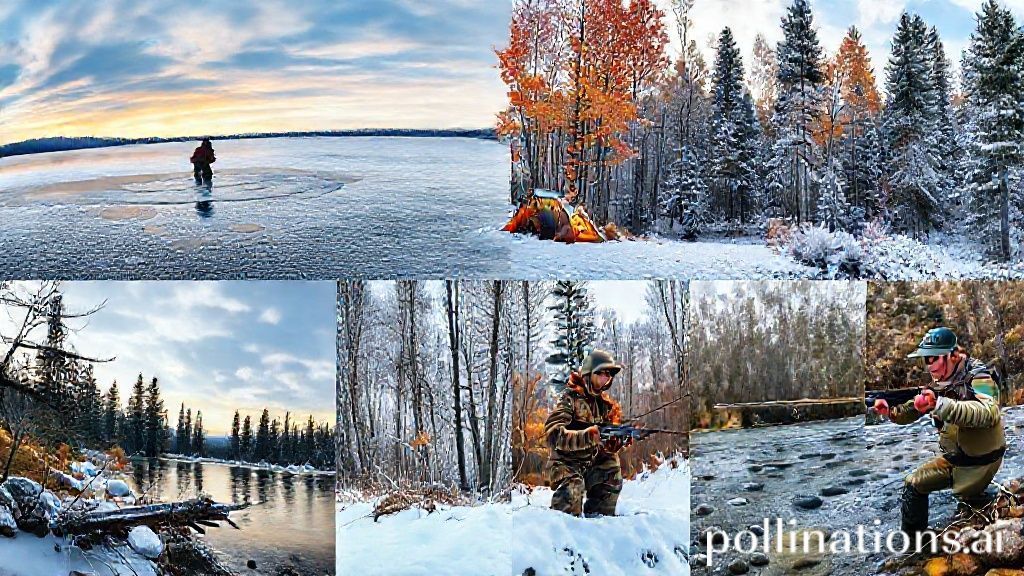
Winter Fishing: Ice and Open Water Challenges
Winter offers unique opportunities, primarily ice fishing, but also challenging open-water angling in some regions.
- Target Species: Ice fishing for perch, walleye, pike, crappie, bluegill. Open water for steelhead (rivers), cod (ocean).
- Techniques: Ice Fishing: Drill holes, use tip-ups or jigging rods with small lures/live bait. Open Water: Slow presentations, deep-diving lures, or specialized techniques for cold-water species.
- Gear: Ice auger, ice shanty, specialized ice rods, warm clothing, ice picks (for safety), depth finder. For open water, thermal clothing and specialized cold-water gear.
Ethical Angling & Regulations:
Always adhere to local fishing regulations, possess the necessary licenses, practice catch and release when appropriate, and understand proper fish handling techniques to minimize stress.
The Hunter's Calling: Hunting Across the Seasons
Hunting is a deeply immersive activity that demands patience, knowledge of wildlife, and an understanding of seasonal animal behaviors. Mastering it means respecting the land, the animals, and the regulations.
Spring Hunting: Turkey and Early Seasons
Spring is primarily known for turkey hunting, a challenging pursuit requiring keen senses and calling skills.
- Target Species: Wild Turkey (gobblers).
- Techniques: Scouting to locate roosting areas, using various calls (yelps, clucks, purrs) to entice gobblers, camouflage, patience in waiting for a shot.
- Gear: Shotgun or bow, turkey calls, decoys, full camouflage, comfortable ground blind or seat.
Summer Scouting & Preparation: The Off-Season Advantage
While primary hunting seasons are closed, summer is crucial for preparation.
- Activities: Set up trail cameras to monitor game movement, plant food plots, scout potential stand locations, practice shooting (rifle, bow), maintain gear, review regulations.
- Tips: Understand animal patterns and sign (tracks, scat, rubs). Identify bedding areas, feeding locations, and travel corridors. Thoroughly clean and tune firearms/bows.
Autumn Hunting: Prime Time
Autumn is the most popular hunting season, with many big game and migratory bird seasons opening.
- Target Species: Deer (whitetail, mule), elk, waterfowl (ducks, geese), small game (rabbit, squirrel), upland birds (pheasant, grouse).
- Techniques: Deer/Elk: Stand hunting over food plots/trails, still hunting/stalking, calling (rattling, bugling). Waterfowl: Decoy spreads, blinds, calling, dog work. Small Game: Spot and stalk, flushing with dogs.
- Gear: Rifle, shotgun, or bow, appropriate ammunition, full camouflage, scent control products, binoculars, hunting backpack, game calls, GPS.
Winter Hunting: Tracking and Endurance
Late season hunting offers opportunities, often in harsh conditions, requiring keen tracking skills.
- Target Species: Late-season deer, predators (coyote, bobcat), rabbit, hare.
- Techniques: Tracking animals in snow, understanding how animals conserve energy and where they bed down during cold weather. Calling for predators.
- Gear: Warmest clothing layers, snowshoes/skis, specialized cold-weather ammunition, thermal optics, hand/foot warmers.
Safety & Ethics in Hunting:
Hunter education courses are mandatory in many areas for a reason. Always prioritize firearm safety, know your target and what's beyond it, understand game laws and regulations, and practice ethical shot placement. Respect the animals and the land, and properly process any harvested game.
Essential Gear & Skills for the Multi-Season Adventurer
Beyond the specific tools for each hobby, some universal gear and skills empower you to be a truly self-reliant outdoors person.
- Advanced Navigation: Don't just rely on your phone. Master map and compass skills. A robust handheld GPS is an excellent backup, but understanding topography and terrain is paramount.
- Wilderness First Aid: A basic first aid kit is good, but a wilderness first responder certification or advanced first aid knowledge for remote settings is invaluable. Know how to treat common injuries, hypothermia, and heatstroke.
- Survival Skills: Competency in fire starting in adverse conditions, emergency shelter building, and water purification are life-saving skills. Learn basic knot tying and how to signal for help.
- Physical Fitness: These activities demand physical stamina. Regular exercise, particularly cardio and strength training, will enhance your enjoyment and safety.
- Weather Preparedness: Always check the forecast, but also learn to read weather patterns in the field. Be prepared for sudden changes, especially in mountainous regions or during transitional seasons.
- Leave No Trace Principles: As masters of the outdoors, we are also its stewards. Practice these seven principles religiously:
- Plan Ahead and Prepare.
- Travel and Camp on Durable Surfaces.
- Dispose of Waste Properly.
- Leave What You Find.
- Minimize Campfire Impacts.
- Respect Wildlife.
- Be Considerate of Other Visitors.
Conclusion: The Journey of Mastery
Mastering outdoor hobbies like fishing, hunting, and camping for every season is not a destination; it's a continuous journey of learning, adapting, and growing. It challenges you physically and mentally, deepens your connection to the natural world, and provides a profound sense of accomplishment.
Start small, build your skills incrementally, and never stop learning from experienced mentors, guides, and your own experiences. Embrace the challenges, celebrate the successes, and always remember the immense privilege it is to immerse yourself in the wild. The ultimate outdoor adventure awaits – go forth and master it.