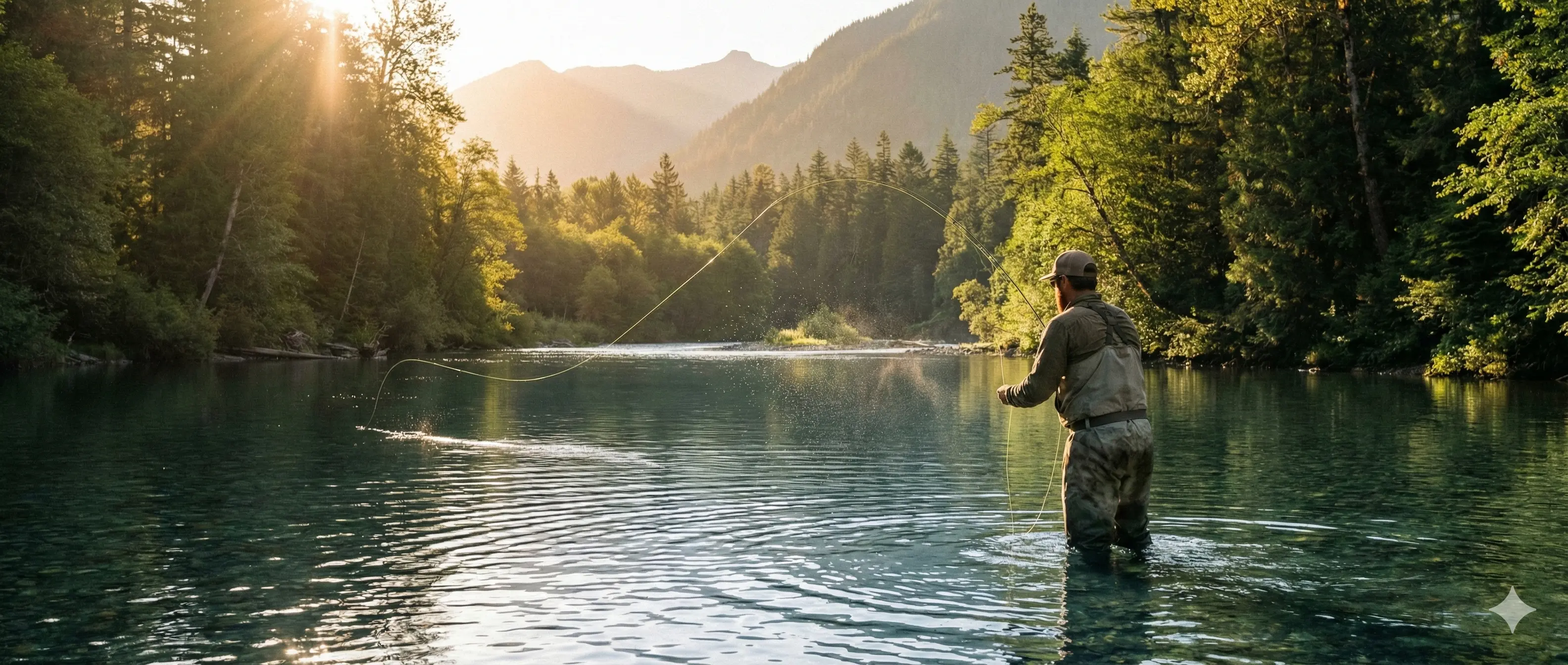
Elevate your angling game by mastering the art of 'reading the water'. This in-depth guide reveals how understanding currents, structure, and subtle environmental cues can consistently lead you to the best fishing spots in any river or stream.
Unlocking River Secrets: How to Read Water for Ultimate Fishing Success
For the truly passionate angler, fishing isn't just about casting a line; it's about understanding the aquatic world. While fancy gear and expert casting have their place, the most profound skill you can develop is the ability to 'read the water'—to interpret the subtle signs that reveal where fish live, feed, and rest in rivers and streams.
Mastering this art transforms fishing from a game of chance into a strategic hunt, drastically increasing your success and deepening your connection to the water. Let's dive into how you can become a river whisperer.
Why Reading the Water is Your Superpower
Fish are creatures of habit and efficiency. They seek areas that offer three things:
- Food: Easily accessible prey, often brought by currents.
- Safety: Protection from predators and harsh currents.
- Comfort: Optimal water temperature and oxygen levels.
By understanding how river features provide these necessities, you can stop randomly casting and start targeting high-probability zones. It's about working smarter, not harder.
The Key Elements to Observe
Every ripple, current, and submerged rock tells a story. Here's what to look for:
1. Current Speed and Direction
Fish generally prefer to hold in slower water, conserving energy, while waiting for food to be delivered by faster currents. Look for:
- Seams: The visible line where fast water meets slow water. These are prime feeding lanes, as food gets swept past resting fish.
- Eddies: Swirling pockets of water behind obstacles (boulders, logs) where the current reverses or slows significantly. Fish love these calm zones.
- Current Breaks: Anything that disrupts the flow – a large rock, a fallen tree, an abrupt change in depth. These create sanctuaries for fish.
2. Structure and Cover
Structure provides shelter, shade, and ambush points for fish. Think of it as their underwater real estate.
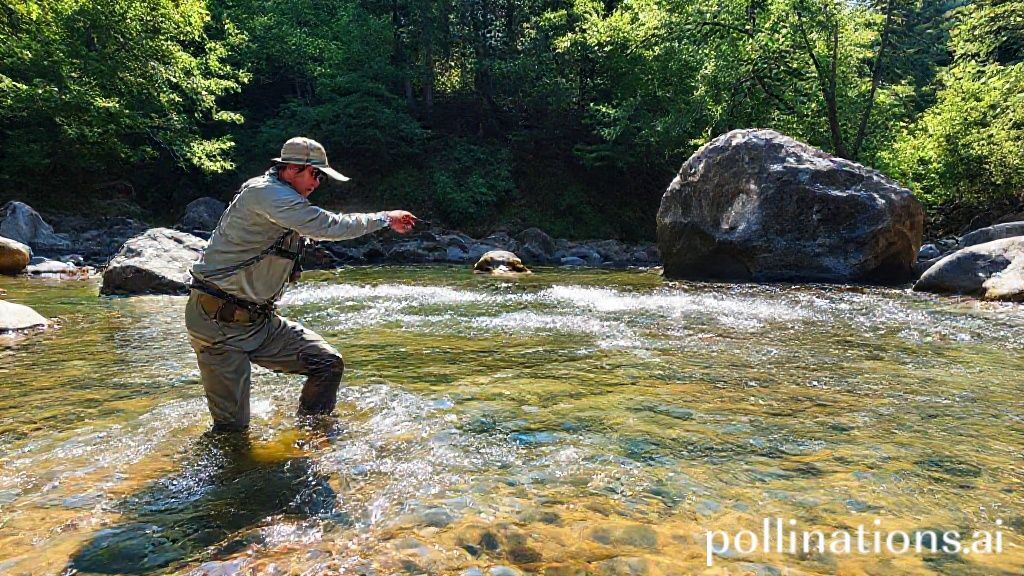
- Boulders and Rocks: Create eddies, current breaks, and shaded pockets. Fish will hold in front, behind, or sometimes even directly beside large rocks.
- Fallen Trees (Log Jams): Offer extensive cover and create complex current patterns. Approach with caution, as snags are common, but the rewards can be huge.
- Undercut Banks: Where the current has eroded the bank, creating a cavernous overhang. Perfect for wary fish seeking shade and protection.
- Overhanging Vegetation: Provides shade and often drops insects onto the surface. Trout, in particular, love these spots.
3. Depth and Bottom Composition
Changes in depth are critical. Fish move to deeper water for safety, temperature regulation, and during certain times of day.
- Pools: Deeper, slower sections of the river. Often excellent holding water for larger fish, especially in warmer months or during bright sunlight.
- Runs: Moderately deep, consistent flow sections connecting riffles and pools. Often good feeding areas.
- Drop-offs: Sudden changes from shallow to deep water. These are highways and holding zones for fish.
- Gravel/Cobble Bottoms: Often indicate good spawning grounds or areas where aquatic insects thrive.
4. Riffles and Rapids
While seemingly chaotic, these aerated, shallow sections are vital feeding grounds.
- Riffles: Shallow, turbulent water over rocks. High in oxygen and dislodge insects, making them excellent feeding zones, especially at dawn and dusk.
- Tail-outs of Pools: The shallower, faster water at the end of a pool, transitioning into a riffle or run. Often productive as fish move between resting and feeding areas.
5. Water Color and Clarity
- Clear Water: Requires stealth and longer leaders. Fish are easily spooked. Look for deeper pools and shaded areas.
- Stained/Turbid Water: Fish often move closer to the banks and structure, as the reduced visibility makes them feel safer. Use brighter, more visible lures or flies.
6. Food Sources and Hatches
Observing what fish are eating (or what could be eaten) is paramount. Look for:
- Insect Hatches: Rising fish, insects on the surface or flying around. Match the hatch!
- Terrestrials: Grasshoppers, ants, beetles falling from banks. Fish will position themselves to intercept these.
- Baitfish: Flickering baitfish often indicate predators nearby.
Putting It All Together: A River Walk-Through
Imagine you approach a new stretch of river. Here's your mental checklist:
- Start Broad: Observe the overall flow. Where are the pools? The riffles? The obvious current breaks?
- Zoom In: Identify specific features. Is there a large boulder? An undercut bank? A log jam?
- Connect the Dots: How do these features interact with the current? Where are the seams and eddies? Where would food funnel?
- Consider the Conditions: Is it sunny or cloudy? Hot or cold? High water or low? These dictate where fish are most likely to be holding.
- Visualize the Fish: Based on all your observations, where would you position yourself if you were a fish?
For example, a large pool might hold resting fish in its deepest section, while the tail-out of the pool and the head of the subsequent riffle are prime feeding zones. A prominent boulder in a fast run will have fish holding directly behind it, in the softer water of its eddy.
The Power of Observation and Practice
Reading the water isn't a skill learned from a single article; it's honed through countless hours on the bank. Spend time observing without casting. Watch how the current behaves, how insects drift, and if you're lucky, how fish rise or dart.
Each river and stream has its own personality, but the fundamental principles remain the same. The more you practice, the more intuitive it becomes, until reading the water is as natural as breathing. So next time you're by the water, slow down, look closely, and let the river reveal its secrets to you.
Happy angling!