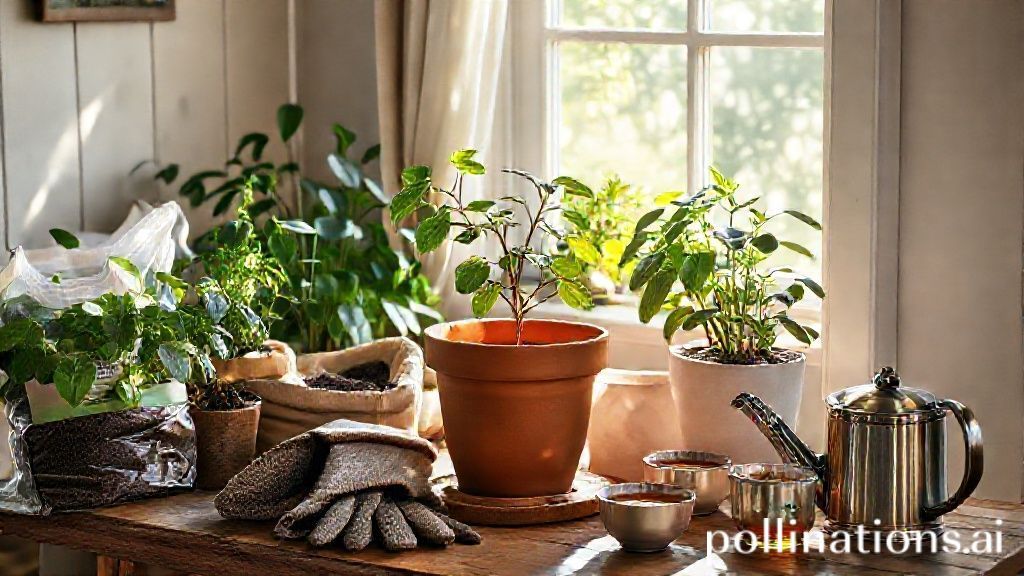
Dreaming of a home filled with lush greenery and tranquil vibes? Our ultimate guide will gently lead you through the delightful journey of houseplant care, turning even the shyest thumb green with warm, whimsical advice for creating your own indoor oasis.
The Ultimate Guide to Happy Houseplants: Care Tips for Beginners
Hello, fellow dreamers and cozy-home enthusiasts! If you've ever gazed longingly at a vibrant indoor jungle or wished for a touch of living greenery to brighten your space, you're in the perfect place. Welcoming houseplants into your home is like inviting a little piece of nature's magic indoors – a whispering companion that adds beauty, serenity, and a dash of cottagecore charm to every corner.
This guide is crafted especially for you, the gentle soul ready to embark on a delightful journey of nurturing. Forget intimidating rules; we're here to share simple, heartfelt wisdom to help your green friends (and your green thumb!) flourish.
Chapter 1: Understanding Your Green Companions – The Basics of Bliss
Every plant has a story, and learning to listen to its needs is the first step in building a beautiful relationship.
Sunshine & Shadows: The Dance of Light
Light is a plant's food, its very breath! But just like us, some prefer a bright morning stroll while others love a shaded nook.
- Bright, Indirect Light: This is the sweet spot for most houseplants. Think of a spot near a window where the sun's rays don't hit the leaves directly, but the area is still well-lit. East or North-facing windows are often ideal. Sheer curtains can soften harsh direct light.
- Direct Light: A few sun-worshippers (like some succulents or cacti) thrive in direct, unfiltered sunlight from a South or West-facing window.
- Low Light: Some resilient beauties (like Snake Plants or ZZ Plants) can tolerate dimmer conditions, though they'll still appreciate a brighter spot if possible.
Listen to your plant: If leaves are scorching or turning pale, it might be too much sun. If they're leggy (stretching towards the light) or dull, they might crave more.
Sip or Soak? The Art of Watering
More houseplants meet their demise from improper watering than almost anything else. The secret? Feel the soil!
- The Finger Test: Before watering, stick your finger about an inch or two into the soil.
- Dry: If it feels dry, it's likely time for a drink.
- Moist: If it feels moist, wait a few more days.
- Deep Watering: When you do water, water thoroughly until you see water draining from the bottom of the pot. This encourages deep root growth.
- Drainage is Key: Always use pots with drainage holes! Plants hate "wet feet." Empty any excess water from saucers after about 30 minutes.
- Signs to Watch For:
- Wilting/Drooping: Often a sign of underwatering, but overwatering can also cause it due to root rot. Check the soil!
- Yellowing Leaves: Can indicate overwatering.
- Crispy Edges: Usually a sign of underwatering or low humidity.
Happy Roots, Happy Life: Choosing the Right Soil
Good soil isn't just dirt; it's a carefully balanced home for roots.
- Potting Mix, Not Garden Soil: Always use a high-quality indoor potting mix. Garden soil is too heavy and can compact, suffocating roots.
- Drainage First: Look for mixes that are light and airy, often containing perlite or vermiculite to improve drainage.
Misty Mornings: A Touch of Humidity
Most houseplants hail from lush, humid tropical climates. Your dry indoor air might be a shock!
- Simple Solutions:
- Pebble Tray: Place a layer of pebbles in a saucer, add water just below the top of the pebbles, and set your pot on top. As the water evaporates, it creates a mini-humid microclimate.
- Grouping Plants: Plants release moisture, so grouping them creates a slightly more humid zone.
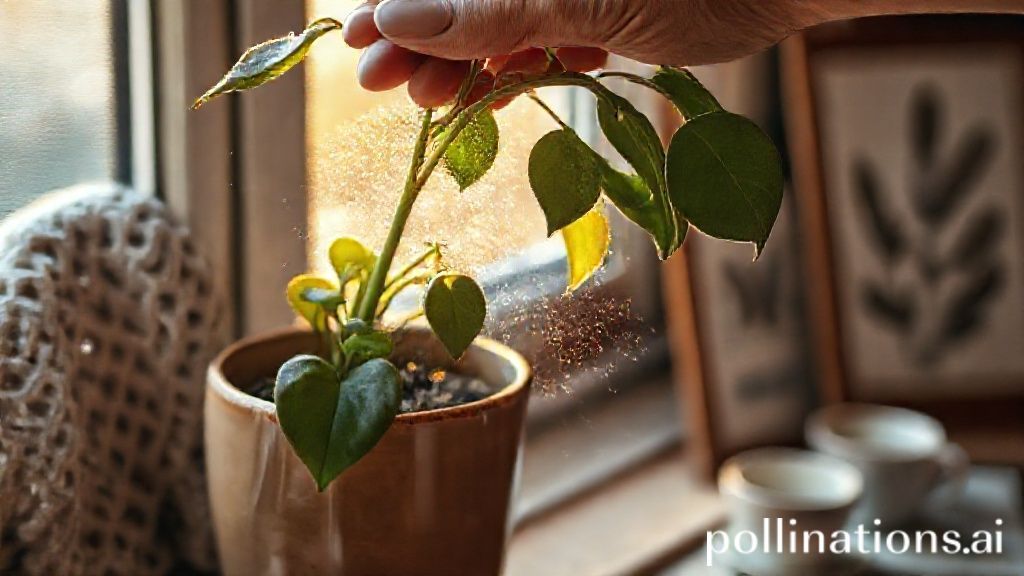
- Misting (with caution): While satisfying, misting offers temporary humidity. Some plants love it, others prefer not to have water sit on their leaves.
Chapter 2: Welcoming Your First Green Friends – Beginner-Friendly Beauties
Starting with resilient plants builds confidence and brings immediate joy. Here are some steadfast companions:
- Pothos (Epipremnum aureum): The ultimate easy-keeper! Tolerates various light conditions and forgives missed waterings. Its vining nature makes it perfect for shelves or hanging baskets.
- Snake Plant (Sansevieria trifasciata): Almost indestructible! Thrives on neglect, tolerates low light, and only needs watering every few weeks.
- ZZ Plant (Zamioculcas zamiifolia): Another low-maintenance champion. Can go for ages without water and handles dimmer spots beautifully. Its glossy leaves are simply stunning.
- Spider Plant (Chlorophytum comosum): Charming and prolific, producing "spiderettes" that you can propagate! Adaptable to different light levels and easy to care for.
- Peace Lily (Spathiphyllum): Known for its elegant white blooms, this plant tells you exactly when it's thirsty by dramatically drooping its leaves. A good drinker, but quick to recover once watered.
Chapter 3: Nurturing Your Garden Heart – Common Quibbles & Gentle Fixes
Don't fret over every yellow leaf! Plants are living beings, and a little troubleshooting is part of the journey.
Uninvited Guests: Dealing with Pests Gently
- The Usual Suspects: Look out for tiny white cottony masses (mealybugs), sticky residue (aphids), or fine webbing (spider mites).
- Natural Remedies:
- Wipe Them Away: For small infestations, simply wipe pests off with a damp cloth or cotton swab dipped in rubbing alcohol.
- Neem Oil Spray: A natural, organic pesticide. Mix according to package directions and spray affected plants.
- Soapy Water: A mild solution of dish soap and water can deter many pests.
When Leaves Speak: Decoding Plant Messages
- Yellowing Leaves: Often a sign of overwatering or lack of nutrients. Check soil moisture first.
- Crispy, Brown Edges: Usually underwatering or low humidity.
- Drooping/Wilting: Most commonly thirst! But also possible with severe overwatering (root rot). Check soil.
- Leggy Growth: Your plant is stretching for more light. Move it to a brighter spot!
A Bigger Home: Repotting with Care
Plants don't need repotting every year. They actually prefer to be a bit "root-bound."
- When to Repot:
- Roots are circling the bottom of the pot or growing out of drainage holes.
- Water runs straight through, and the soil seems exhausted.
- Growth has slowed dramatically.
- How to Repot: Choose a pot only one size larger (e.g., from 6-inch to 8-inch). Gently loosen the root ball, add fresh potting mix, and settle your plant into its new abode.
Chapter 4: The Serene Joy of Green Living
Beyond the practicalities, keeping houseplants offers a profound sense of peace and connection. They are living decor, air purifiers, and silent cheerleaders all in one. The act of tending to them — checking the soil, misting leaves, wiping away dust — becomes a meditative ritual, a quiet moment in your day just for you and your green friends.
Embrace the imperfections, celebrate new growth, and know that every plant you nurture adds a unique sparkle to your cozy haven.
Happy planting, dear friends! May your days be filled with leafy delights and tranquil moments.