Many aspiring anglers are intimidated by fly fishing's perceived complexity. This post tackles the myth, revealing that while it has a learning curve, the rewards are immense. Discover practical steps and essential tips to begin your fly fishing journey with confidence.
Fly Fishing for Beginners: Is It Really as Hard as It Looks, and How to Start?
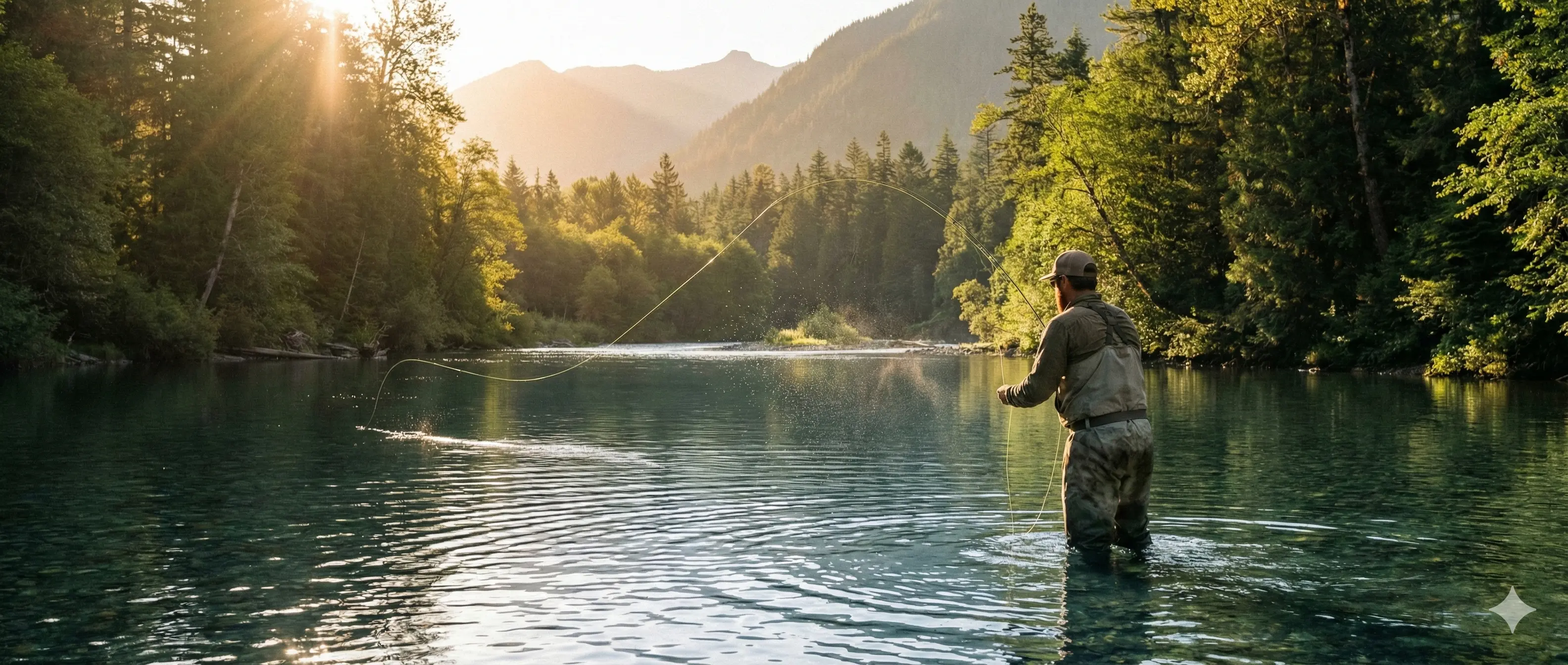
For many passionate hobbyists, the world of fly fishing often sits on a pedestal, adorned with images of stoic anglers gracefully casting lines on pristine rivers, seemingly effortlessly coaxing elusive fish from their watery lairs. It looks elegant, almost poetic, but also... incredibly difficult. If you've ever watched a fly fisherman and thought, "I could never do that," you're not alone.
But let's debunk a common myth right away: While fly fishing has a learning curve, it's not an insurmountable wall. It's more like learning to play a musical instrument or master a new craft – it requires patience, practice, and persistence, but the rewards are profound.
The "Hard" Truth: It's Not as Bad as You Think
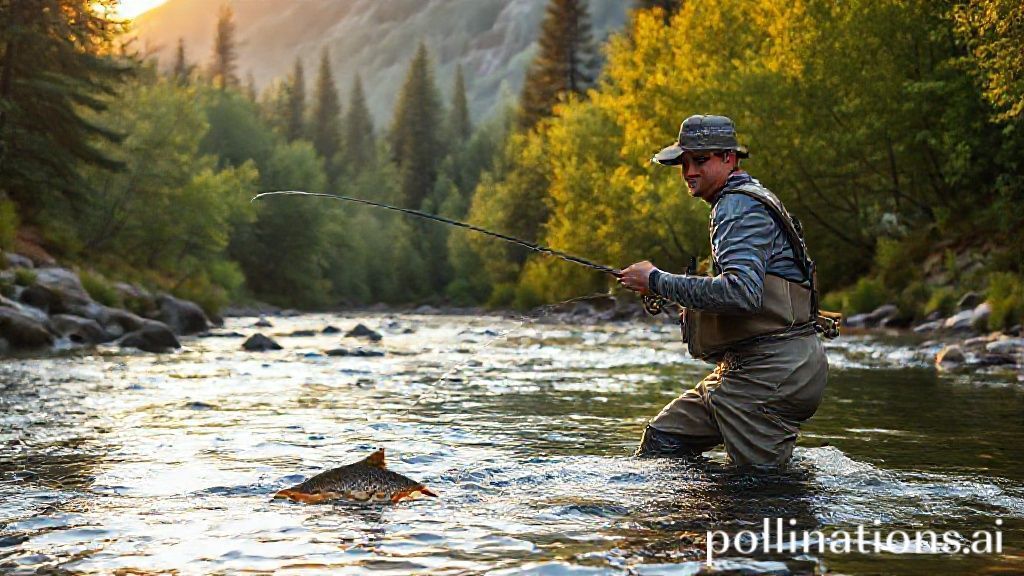
Yes, fly fishing demands a different skill set than traditional spin casting. The "heavy line, light lure" dynamic is unique, and the casting motion is more akin to a dance than a forceful throw. You're not just launching a weight; you're unfurling a delicate loop of line, placing a tiny fly exactly where you want it. This takes coordination and timing.
However, consider this: Millions of people worldwide, from young children to seniors, successfully fly fish. They weren't born with an innate ability to cast a perfect loop. They learned, just as you can. The perceived difficulty often stems from its unfamiliarity and the sheer amount of specialized gear.
Why is it worth the effort?
- Connection with Nature: Fly fishing forces you to slow down, observe your surroundings, and become intimately aware of the aquatic ecosystem. It's a meditative experience.
- Unique Challenge: The pursuit of specific fish species with specific flies, reading the water, and presenting a perfect drift offers an intellectual and physical challenge unlike any other.
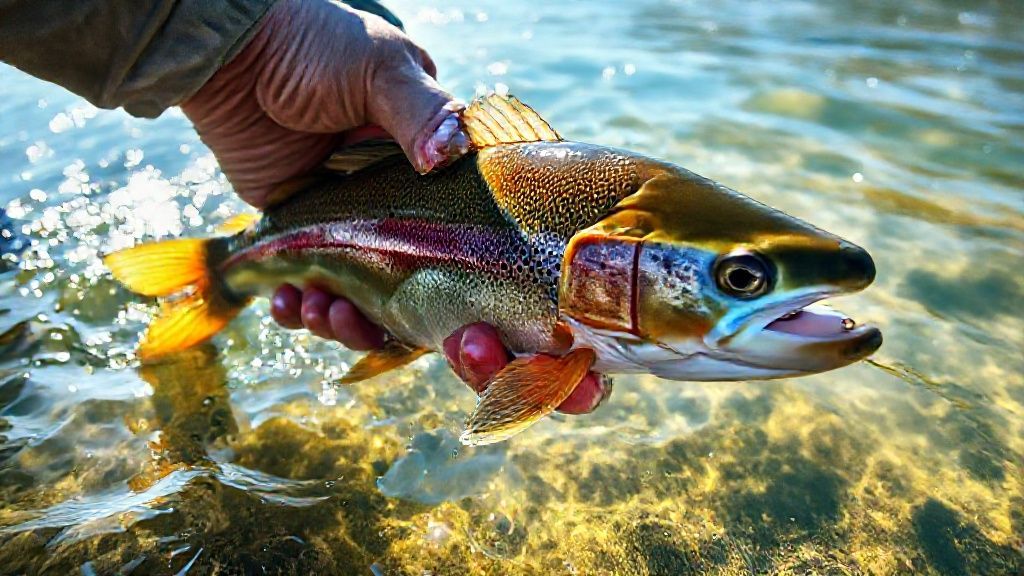
- Incredible Rewards: The thrill of fooling a wary trout or a powerful bass with a tiny imitation, on a feather-light setup, is incredibly satisfying.
Getting Started: Your First Steps into the Current
Ready to take the plunge? Here's a practical roadmap to help you begin your fly fishing journey:
1. Don't Overthink the Gear (Initially)
The fly fishing industry offers a dazzling array of rods, reels, lines, and accessories. It can be overwhelming. For beginners, simplify:
- Rod & Reel Combo: Start with an entry-level 9-foot, 5-weight rod and matching reel. This is the most versatile setup for freshwater fishing, suitable for trout, panfish, and smaller bass.
- Fly Line: Ensure your combo comes with a weight-forward (WF) floating line. This is standard for most dry fly and nymph fishing.
- Leader & Tippet: You'll need tapered leaders (e.g., 9-foot, 5X) and spools of tippet material (e.g., 4X, 5X, 6X) to attach to your leader and tie on flies.
- Flies: Don't buy hundreds. Start with a small selection of versatile patterns: dry flies (e.g., Elk Hair Caddis, Parachute Adams), nymphs (e.g., Pheasant Tail, Hare's Ear), and perhaps a few small streamers (e.g., Woolly Bugger).
- Waders & Boots: While not strictly necessary for every situation (you can wet wade or fish from the bank), waders open up more fishing opportunities. If buying, prioritize comfort and durability.
Pro Tip: Visit a local fly shop! Their expertise is invaluable, and they can help you select appropriate starter gear for your local waters and budget.
2. Learn the Basic Cast: It's a Dance, Not a Whip
The cast is the most intimidating aspect for many, but it’s fundamentally simple movements.
- The Overhead Cast: This is your bread and butter. It's about loading the rod with the weight of the line. Think of your arm as a pendulum and the rod tip as painting a narrow arc.
- Stop at 10 and 2: Imagine a clock face. For your backcast, stop the rod tip at roughly 1 o'clock. For your forward cast, stop it at 10 o'clock. The crisp stops are crucial for forming tight loops.
- Smooth Acceleration: Don't try to muscle it. Let the rod do the work. A smooth acceleration, followed by an abrupt stop, generates the line speed.
- Practice, Practice, Practice: Grab your rod, tie a piece of yarn to the leader (no hook!), and practice in your backyard or a local park. Focus on rhythm and timing. YouTube tutorials are excellent resources for visual learners.
3. Read the Water (and the Bugs)
Understanding where fish hold and what they're eating is paramount.
- Where Fish Live: Look for structure – seams where fast and slow water meet, eddies, undercut banks, submerged logs, and deeper pools. Fish seek shelter, food, and optimal oxygen levels.
- Match the Hatch (Eventually): Initially, don't worry too much about matching every tiny insect. Start with general attractor patterns. As you progress, observe what insects are flying around the water and try to use flies that imitate them.
4. Seek Guidance & Embrace the Journey
- Local Fly Shop: Beyond gear, these shops are community hubs. Ask about local conditions, effective flies, and guided trips or casting lessons.
- Friends & Mentors: If you know an experienced fly fisherman, ask if you can tag along. Observation is a powerful learning tool.
- Books & Online Resources: There's a wealth of information available. "The Orvis Guide to Fly Fishing" is a classic for a reason. Websites like Orvis, Trout Unlimited, and various YouTube channels offer excellent tutorials.
- Consider a Guide: A half or full day with a reputable local guide can dramatically accelerate your learning. They'll teach you casting, knots, reading water, and local nuances.
Patience and Persistence: Your True Allies
Your first few outings might be frustrating. You'll get tangled, your casts won't be perfect, and you might not catch a fish. That's okay! Every seasoned fly angler has been there.
Embrace the process. Enjoy being outdoors. Celebrate the small victories – a decent cast, a perfect drift, observing a rising fish. The joy of fly fishing isn't just about catching fish; it's about the entire immersive experience.
So, is fly fishing really as hard as it looks? No, not if you approach it with an open mind, a willingness to learn, and a healthy dose of patience. The tranquil beauty of the river, the subtle tug of a fish, and the satisfaction of a well-executed cast are waiting. Grab a rod, head to the water, and start your own fly fishing adventure!