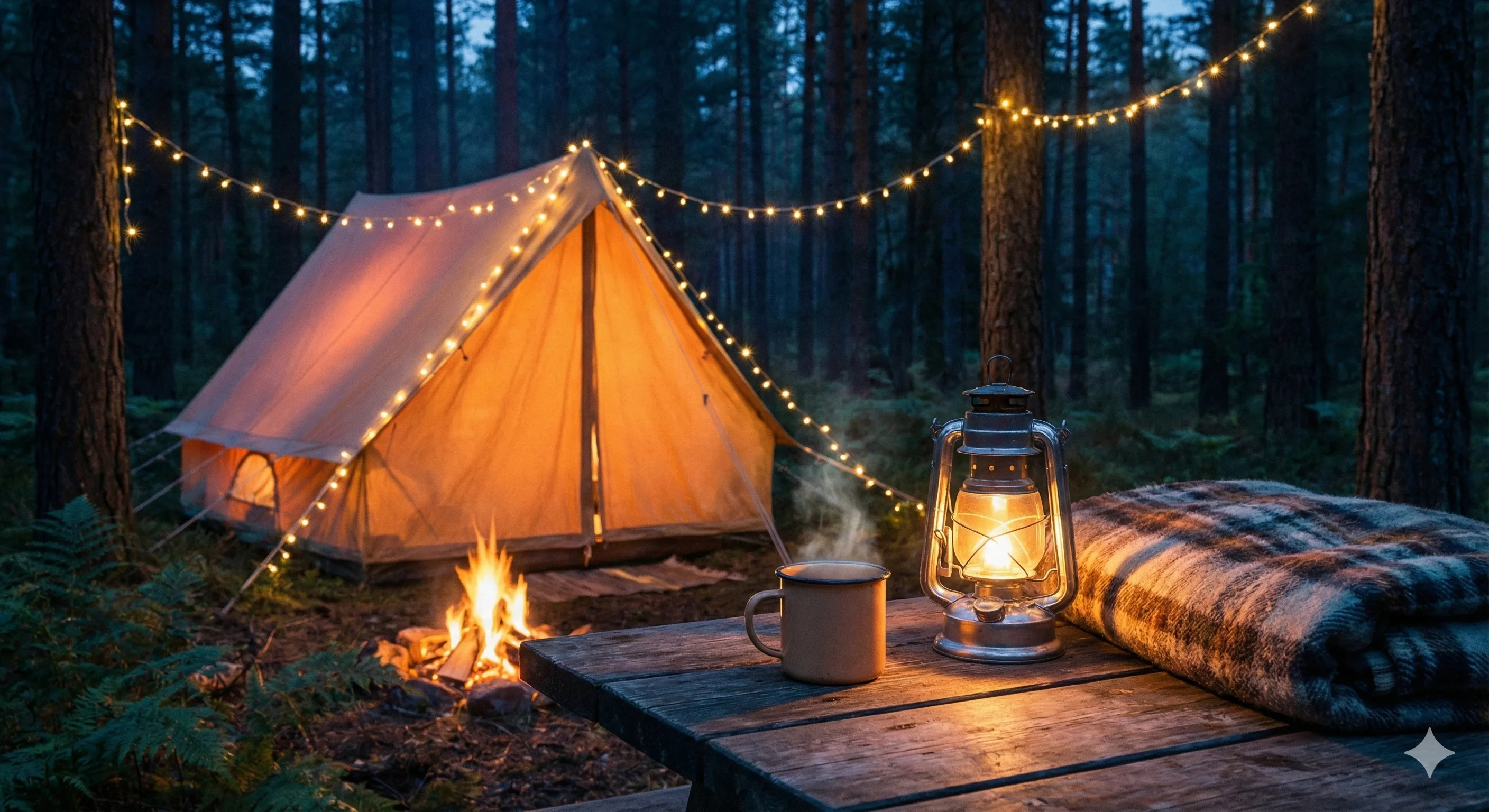
Essential gear checklist for a fun and stress-free weekend camping trip. Learn about tents, sleeping systems, cooking essentials, safety items, and packing tips for beginners and experienced campers.
Camping: Essential Gear for a Fun Weekend
There is a profound joy that comes from stepping away from concrete walls and setting up temporary residence under a canopy of stars. A weekend camping trip offers the perfect balance: enough time to disconnect and recharge, but short enough to be manageable, even for the novice adventurer. However, the success of any camping trip hinges entirely on preparation. You don't need to empty your bank account on every high-tech gadget, but you absolutely need the fundamentals covered. Being unprepared doesn't just lead to discomfort; it can lead to genuinely unpleasant or even dangerous situations.
This comprehensive guide focuses specifically on the essential gear required to make your two or three nights in the wilderness fun, comfortable, and, most importantly, safe. Forget the unnecessary luxury items for now; let's focus on the non-negotiables that turn a stressful outing into a memorable escape.
Shelter & Sleep: Your Home Away From Home
Your campsite is your sanctuary, and the cornerstone of that sanctuary is your sleeping setup. When you’re only out for a weekend, minimizing bulk while maximizing effectiveness is key.
The Tent: Sizing It Right
When buying a tent, the rating (e.g., 4-person) almost always refers to the absolute maximum number of people you can fit shoulder-to-shoulder with no gear. A good rule of thumb for comfort, especially for a weekend trip where you might face rain, is to add one or two to the occupancy rating. If you are a couple, a 3 or 4-person tent gives you room for gear and maneuverability. If you are solo, a 2-person tent is much more comfortable than a cramped 1-person design.
- Key Tent Considerations:
-
Seasonality: A 3-season tent is generally sufficient for spring, summer, and fall weekend trips in moderate climates. They offer good ventilation while providing protection from rain.
-
Footprint/Tarp: Always use a ground cloth or 'footprint' beneath your tent. This is non-negotiable. It protects the tent floor from abrasion, extending its life, and prevents water from seeping up from wet ground.
The Sleeping System: Insulation is Key
Your tent keeps the elements off; your sleeping system keeps the warmth in. Many people wrongly assume a high-quality sleeping bag is the only requirement, but the most crucial, and often overlooked, item is the sleeping pad.
-
The Pad: A sleeping pad provides cushioning, yes, but its primary function is insulation. When you lie down, you compress the loft (the insulating air pockets) of your sleeping bag beneath you, making it useless in that area. The pad’s R-value (a measure of thermal resistance) dictates how warm it will keep you from the cold ground. For mild summer camping, an R-value of 2-3 is fine; for cooler spring or fall nights, aim for 4 or higher.
-
The Bag: Select a sleeping bag rated for temperatures slightly lower than the coldest night you anticipate. If the forecast calls for 40°F (5°C), use a 30°F bag. Synthetic bags are durable and retain heat better when wet, making them great for car camping, while down bags are lighter and more compressible, though often pricier.
-
Pillows: Don't forget your neck! An inflatable camping pillow or a simple stuff sack filled with clothes works wonders for quality sleep.
Kitchen & Sustenance: Fueling the Adventure
Food tastes better outdoors, but proper planning is essential. For a weekend trip, simplicity is your friend. Stick to easy, one-pot meals and pre-chop vegetables at home.
Cooking Essentials: The Trinity of Camp Cooking
-
The Stove: Unless you are committed to pure campfire cooking (which can be unreliable), a portable camping stove is essential. Propane stoves (like the classic two-burner Coleman) are reliable, easy to use, and perfect for car camping. Single-burner canister stoves are lighter and more compact for short hikes into a site.
-
Fuel: Always bring more fuel than you think you need. Running out of butane or propane when dinner is half-cooked is a miserable experience.
-
Cookware & Utensils: A simple pot/pan combo, heat-resistant serving spoons, and durable eating utensils (sporks are great for efficiency) are usually enough. A French press or percolator is a must if you are a coffee drinker.
Food Storage and Cleanup
Proper food storage is crucial for safety (preventing critters and bears) and cleanliness.
-
Cooler: Invest in a reliable cooler and understand how to pack it efficiently. Use block ice or frozen water bottles instead of cubes, and try to keep it closed as much as possible.
-
Bear/Critter Safety: Depending on your location, you must store food securely. This means using bear canisters, hanging food bags from a tree (at least 10 feet up and 4 feet away from the trunk), or locking items securely in your car trunk.
-
Dishwashing Station: Bring biodegradable soap, a small wash basin, and three towels: one for washing, one for rinsing, and one for drying. Remember to dispose of greywater (dishwater) far away from water sources and your campsite.
Navigation & Safety: Preparation Over Panic
Even on a well-marked trail near a populated area, the unexpected can happen. The modern interpretation of the “Ten Essentials” list is vital for every trip, regardless of duration.
The Ten Essentials Revisited
While this list used to focus on specific items, the modern approach focuses on systems or categories of functionality. Ensure you have the means to address these areas:
-
Navigation: Map, compass, and knowledge of how to use them. A fully charged phone with downloaded maps (like Gaia GPS or AllTrails Pro) is excellent backup.
-
Illumination: Headlamp (preferable to a flashlight as it keeps hands free) and spare batteries. Never rely solely on your phone’s light.
-
Sun Protection: Sunglasses, sunscreen, and a hat.
-
First Aid: A comprehensive kit tailored to the length and remoteness of your trip. Include blister treatment, painkillers, antiseptic wipes, and any personal medications.
-
Fire: Waterproof matches, a lighter, and fire starter (like cotton balls soaked in petroleum jelly) are crucial for warmth and emergency signaling.
-
Repair Kit & Tools: Duct tape (the miracle cure for everything), a knife (a multi-tool is best), cordage, and gear patches.
-
Insulation (Extra Clothing): Non-cotton layers packed specifically for sudden temperature drops. (See clothing section below).
-
Nutrition: Emergency food (calorie-dense bars) that you do not plan to eat unless absolutely necessary.
-
Hydration: Water bottles/reservoir plus a water filter, purification tablets, or boiling capabilities.
-
Emergency Shelter: A lightweight tarp or space blanket for unexpected exposure.
Fire Safety and Management
Check local regulations regarding fire bans before you leave home. If fires are permitted, always follow these rules:
-
Use existing fire rings whenever possible.
-
Keep the fire small and manageable.
-
Clear a three-foot radius around the ring down to the mineral soil.
-
Always have a bucket of water or a shovel nearby, ready to extinguish the fire instantly.
-
Drown, Stir, Drown: Before leaving the site or going to bed, completely soak the coals, stir them thoroughly to check for lingering heat, and soak again until they are cool to the touch.
Comfort & Clothing: Staying Happy Outdoors
Being cold, wet, or covered in bugs significantly diminishes the fun of camping. Proper clothing strategy is key to staying comfortable throughout the weekend.
Layering Strategy: The Golden Rule
Avoid cotton! When cotton gets wet (from rain, dew, or sweat), it loses all insulating properties and draws heat away from your body, posing a hypothermia risk. Instead, adhere to the three-layer system:
-
Base Layer: Wicks moisture away from the skin (merino wool or synthetic materials).
-
Mid-Layer: Provides insulation (fleece jacket, puffy vest, or lightweight down).
-
Outer Shell: Protects against wind and rain (a waterproof/breathable rain jacket and rain pants).
Even in summer, always pack a warm hat and gloves, as evenings at higher elevations or deserts can drop dramatically.
Essential Comfort Enhancers
While not strictly survival gear, these items vastly improve the quality of your weekend:
-
Camp Chairs: Sitting on a log or the ground gets old fast. A folding camp chair is a massive upgrade.
-
Lighting: In addition to your headlamp, bring a battery-powered lantern. Placing one inside the tent and one near the cooking area creates a much warmer, inviting ambiance than just relying on beams of light.
-
Trowel & Toiletries: If you are camping outside established grounds, you must carry a small shovel or trowel for burying human waste (the 'cat hole' method). Always pack toilet paper in a waterproof bag and carry out all waste.
The Little Things That Matter
Seasoned campers know that success often lies in the details. These items take up little space but save big headaches:
-
Rope/Cordage: Useful for hanging food, drying clothes, setting up a tarp, or temporary repairs.
-
Extra Trash Bags: Practice Leave No Trace principles. Bring enough bags to pack out everything you pack in, including food scraps and wrappers.
-
Whistle: An excellent emergency signaling device. Three blasts is the universal sign for distress.
-
Bug Repellent: Depending on the season and location, this can be the difference between a relaxing evening and torture. Consider options that also treat clothing, like Permethrin.
Preparing for a weekend trip requires a thoughtful balance between bringing enough to be comfortable and avoiding excessive weight or complexity. By focusing on shelter, sustenance, safety, and a sensible layering system, you ensure that you are prepared for whatever nature throws your way.
Remember, camping is an experience meant to be enjoyed, not endured. Pack smart, check your gear twice, and focus on the incredible freedom that comes from simplifying life for a few glorious days in the great outdoors. Happy trails!