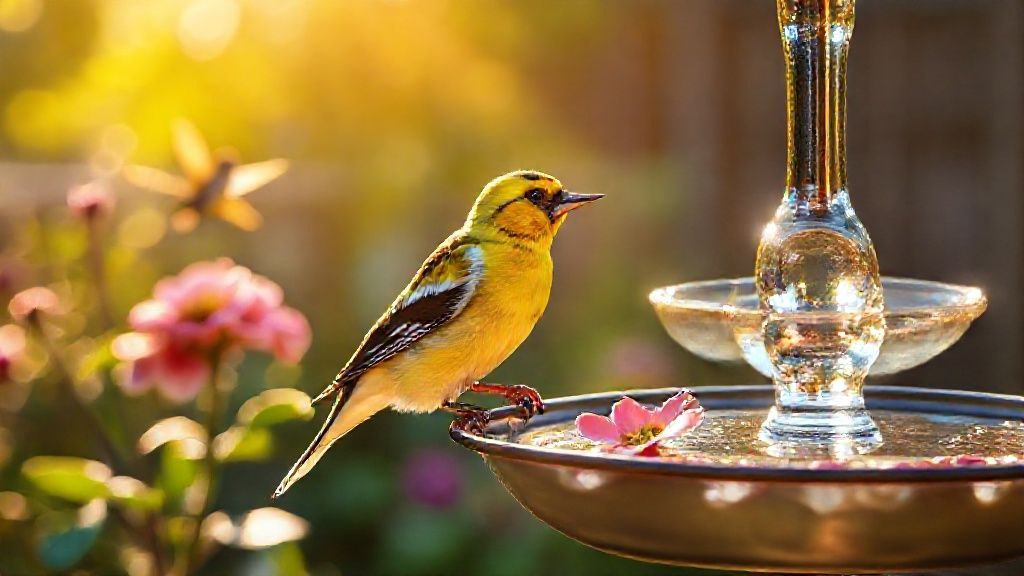
Ready to unlock the secret language of the skies? This summer, trade your screen time for nature's symphony and discover the fascinating world of bird vocalizations. A perfect new hobby for curious minds!
Unlocking Nature's Symphony: Your Summer Guide to Bird Call Identification
Summer is synonymous with vibrant life, and nowhere is this more evident than in the air above us. While we often admire birds for their colorful plumage, their songs and calls are an equally captivating, yet often overlooked, aspect of their lives. If you're searching for a rewarding new hobby that connects you deeply with the natural world, learning to identify bird calls is a fantastic place to start!
Why Listen to Bird Calls This Summer?
As the days lengthen and the landscape bursts with green, birds become more active and vocal. This makes summer an ideal time to hone your auditory skills. Instead of just seeing birds, imagine understanding who's communicating, where they are, and even what they're saying! This skill deepens your appreciation for wildlife, enhances your walks, and offers a meditative escape from daily stresses.
Getting Started: Your First Steps
Don't be intimidated! Like learning any new language, it starts with listening. Here’s how to begin:
- Start Local: Focus on the birds in your backyard, local park, or common walking trails. You’re more likely to encounter the same species repeatedly, aiding recognition.
- Tune In: Dedicate time to simply listen. Close your eyes and try to differentiate individual sounds from the general chorus. Is it a chirp, a whistle, a trill, or a scolding call?
- Learn Common Calls First: Many birds have distinct alarm calls, contact calls, and elaborate songs. Start with the most common birds in your area and try to associate their visual identity with their vocal identity.
- Listen for Patterns: Bird songs often have a predictable structure or rhythm. Does it repeat a phrase? Does it ascend or descend in pitch? Does it sound like a specific phrase (e.g., 'drink-your-tea' for an Eastern Towhee)?
Essential Tools for the Budding Audiophile Birder
- Smartphone Apps: Apps like Merlin Bird ID by Cornell Lab are revolutionary. They can listen to recordings and suggest possible species in real-time. It’s like having an expert in your pocket!
- Field Guides: Many bird guides include descriptions of calls and songs, and some even link to audio samples online.
- Good Headphones: While not essential for initial listening, high-quality headphones can help you pick out nuances in recordings later.
- A Notebook: Jot down descriptions of calls you hear. This active engagement helps solidify your learning.
Embrace the Challenge!
Bird call identification is a lifelong learning journey, but that’s part of its charm. Each new call you identify is a small victory, connecting you more intimately with the natural world. This summer, step outside, open your ears, and discover the hidden world of avian communication. You might just find your new favorite passion!