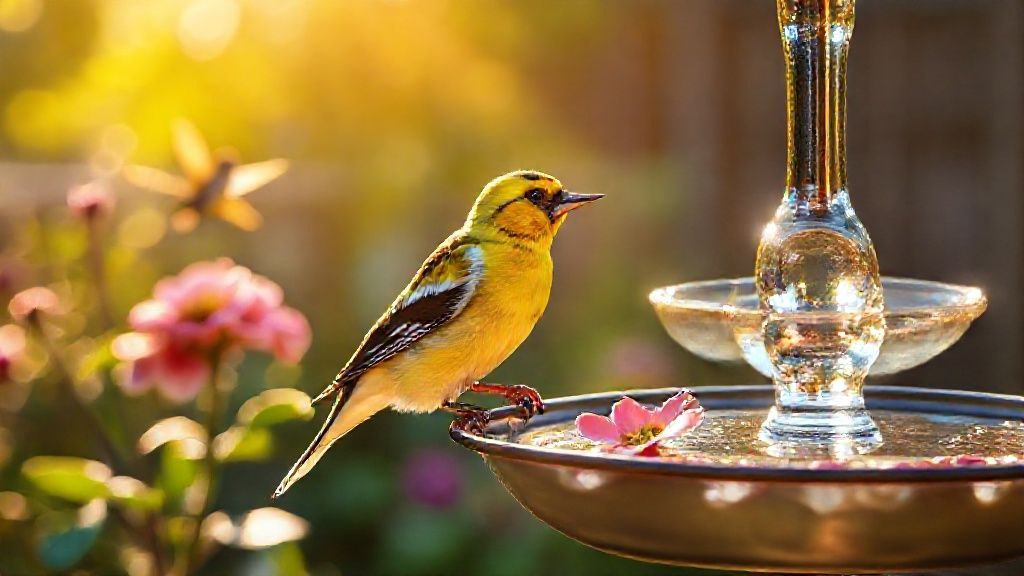
Ready to discover a vibrant new hobby? Transform your backyard into a bustling haven for colorful summer songbirds! Learn simple steps to attract feathered friends and easy techniques to identify them, bringing nature's beauty right to your window.
Your Backyard Symphony: Attracting & Identifying Summer Songbirds
Summer brings with it a symphony of sounds and sights, especially from our feathered friends. If you're looking for a peaceful, rewarding hobby that connects you with nature, birdwatching right from your own backyard is an incredible place to start. Attracting and identifying songbirds can turn your garden into a lively sanctuary, offering endless moments of wonder. Ready to invite some new visitors?
Creating an Avian Oasis: Attracting Songbirds
Birds need three basic things: food, water, and shelter. Providing these will make your backyard irresistible to local and migratory songbirds.
1. Food: Set the Table
Different birds prefer different foods, so offering a variety is key.
- Seed Feeders: Black oil sunflower seeds are a universal favorite, attracting cardinals, finches, chickadees, and more. Nyjer (thistle) feeders are perfect for smaller birds like goldfinches.
- Nectar Feeders: For the dazzling hummingbirds, a simple sugar-water solution (1 part white sugar to 4 parts water) in a clean hummingbird feeder will work wonders. Avoid red dyes.
- Suet: Especially good for woodpeckers and nuthatches, suet provides vital fats and energy.
- Native Plants: The best long-term food source comes from nature! Plant berry-producing shrubs (like serviceberry or dogwood), seed-bearing flowers (coneflowers, sunflowers), and trees that host insects.
2. Water: The Essential Spa
A reliable water source is just as important as food, especially during hot summer months. A simple bird bath, kept clean and filled with fresh water, can attract birds that might not even visit your feeders.
- Shallow Depths: Birds prefer shallow water (1-2 inches deep) for bathing and drinking.
- Cleanliness: Scrub your bird bath regularly to prevent algae and bacterial buildup.
- Moving Water: A small dripper or bubbler can make your water source even more enticing, as the sound attracts birds.
3. Shelter: A Safe Haven
Birds need places to rest, hide from predators, and nest.
- Native Shrubs and Trees: Dense native plantings provide excellent cover and nesting sites. Consider layering your landscape with plants of varying heights.
- Brush Piles: A simple pile of branches can offer shelter for ground-feeding birds.
- Nest Boxes: For specific species like wrens or bluebirds, appropriately sized nest boxes can be a welcome addition.
Becoming a Bird Detective: Identifying Songbirds
Once your backyard starts buzzing with activity, the fun of identification begins! Don't worry if you don't know every bird right away; it's a journey.
1. Essential Tools
- Binoculars: A good pair (e.g., 8x42 or 10x42) will bring distant birds closer without disturbing them.
- Field Guide/App: A regional bird field guide or a smartphone app (like Merlin Bird ID or Audubon Bird Guide) is invaluable. They help you narrow down species based on location, color, size, and sound.
- Notebook: Jot down observations – colors, markings, behaviors, and the sounds you hear. This helps you remember and learn.
2. Key Identification Clues
When you spot a bird, try to notice these details:
- Size and Shape: Is it sparrow-sized, robin-sized, or much larger/smaller? What is its overall body shape?
- Color and Markings: Note primary colors, but also look for specific patterns: wing bars, eye rings, streaks on the breast, tail patterns.
- Behavior: How does it move? Does it hop on the ground, cling to tree bark, or hover? What is it eating?
- Song and Calls: Learning bird calls is one of the most rewarding aspects of birding. Many apps can identify birds by their song!
- Habitat: Where exactly did you see it? On the ground, in a feeder, high in a tree?
Common Summer Visitors
In many areas, you might encounter:
- American Robin: Familiar ground-forager with a brick-red breast and cheerful song.
- Northern Cardinal: Unmistakable bright red male (brownish-red female) with a prominent crest.
- American Goldfinch: Bright yellow males (duller females) that love thistle seeds and have an undulating flight pattern.
- House Wren: Small, busy brown birds with a bubbly, chattering song.
Start Your Backyard Adventure!
Birdwatching is a hobby that offers endless learning and relaxation. It encourages patience, keen observation, and a deeper appreciation for the natural world right outside your door. So, set up that feeder, fill that bird bath, and get ready to welcome a vibrant new world to your backyard. Happy birding!