Dreaming of escaping the everyday and immersing yourself in nature? This comprehensive guide is your first step into the thrilling world of wilderness camping and essential survival skills, crafted for passionate hobbyists ready to answer the call of the wild.
For the adventurous soul, there's an undeniable allure to the untamed wilderness. The rustle of leaves underfoot, the crisp scent of pine, the breathtaking silence broken only by nature's symphony – it's a profound experience. If you're a passionate hobbyist yearning to trade concrete for conifers and Wi-Fi for wild wisdom, you've found your ultimate starting point. This guide will equip you with the foundational knowledge for embarking on your first wilderness camping and survival adventures safely and confidently.
Why Wilderness? The Call to Adventure
Unlike developed campgrounds, wilderness camping thrusts you into an environment where you are truly self-reliant. It's an opportunity to disconnect from digital noise, hone practical skills, and forge a deeper connection with the natural world. This isn't just a trip; it's an education, a challenge, and an incredibly rewarding journey of self-discovery.
Essential Gear for Your Wilderness Expedition
Preparation is paramount. Before you even think about stepping off the beaten path, ensure you have these critical items:
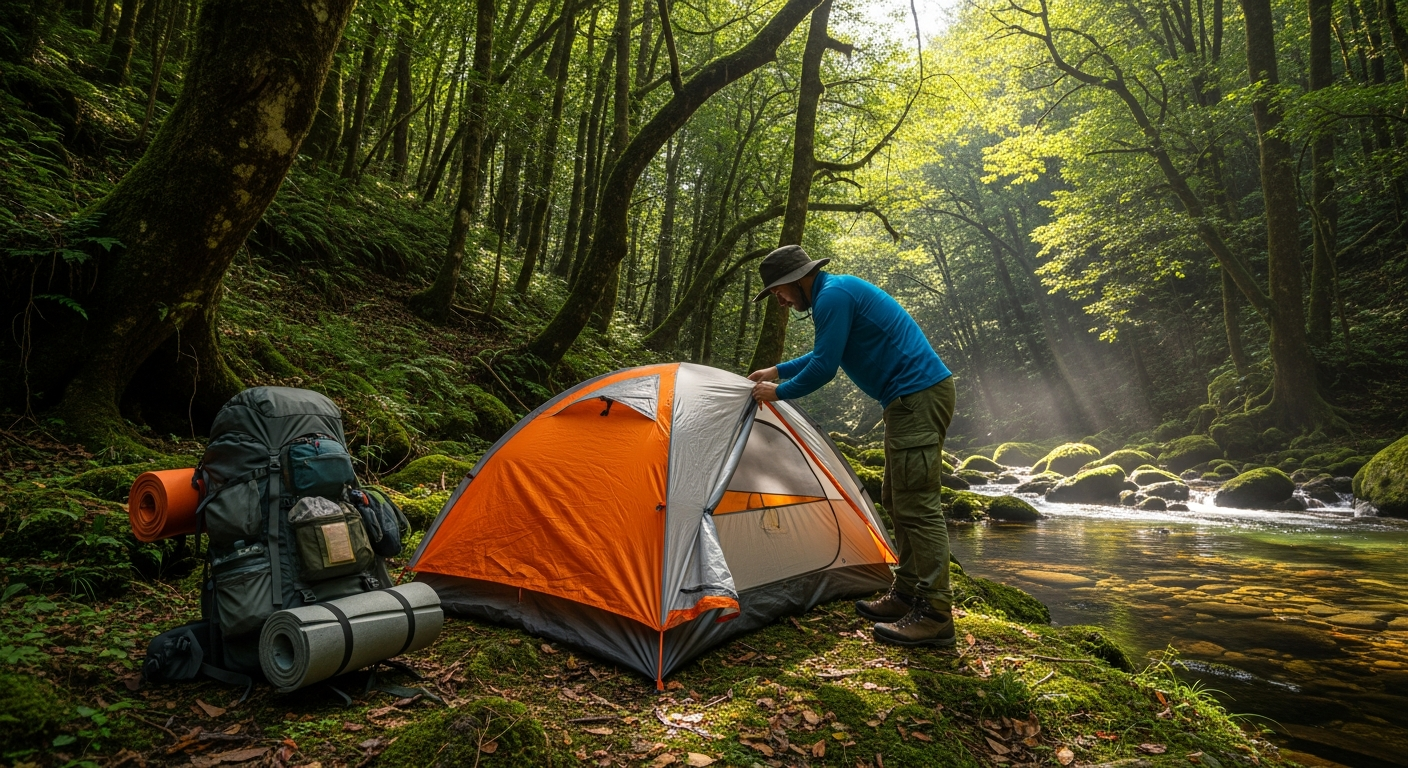
- Shelter System: A sturdy, lightweight tent or a robust tarp setup. Learn how to pitch it quickly and securely.
- Sleeping System: A sleeping bag rated for expected temperatures and a sleeping pad for insulation and comfort.
- Navigation Tools: A physical map of your area, a compass, and knowledge of how to use them. A GPS device or smartphone app (with downloaded maps) can be a backup, but batteries die.
- Hydration: Water bottles or a hydration reservoir, plus a reliable water filter or purification tablets. Never rely solely on finding potable water.
- Nutrition: Non-perishable, high-energy food. Plan meals, and bring extra. A lightweight cooking system is a bonus.
- First-Aid Kit: Comprehensive and personalized. Know how to use everything in it.
- Lighting: A headlamp (with extra batteries) is essential for hands-free illumination after dark.
- Fire Starting: Waterproof matches, a lighter, and a ferro rod. Practice using them all.
- Multi-tool/Knife: A versatile tool is indispensable for countless tasks.
- Appropriate Clothing: Layers are key. Think moisture-wicking base layers, insulating mid-layers, and a waterproof/windproof outer shell. Always pack extra socks!
Foundational Survival Skills: Beyond the Gear
Gear is only as good as the knowledge behind it. These fundamental skills could literally save your life:
- Shelter Building: Learn to construct an improvised shelter (debris hut, lean-to) from natural materials. This is your primary defense against the elements if your tent is compromised.
- Fire Craft: Master fire starting using multiple methods. Understand how to select appropriate tinder, kindling, and fuel. Fire provides warmth, light, cooks food, boils water, and boosts morale.
- Water Procurement & Purification: Identify potential water sources. Practice using your filter/purifier, and learn primitive methods like solar stills or boiling.
- Navigation Basics: Beyond map and compass, learn natural navigation cues – sun, stars, prevailing winds, and vegetation.
- Signaling for Rescue: Know how to create a signal fire (3 fires in a triangle), use a signal mirror, or sound signals (three blasts on a whistle).
- Wilderness First Aid: Be proficient in treating common injuries (cuts, sprains), recognizing and addressing hypothermia, heatstroke, and allergic reactions. Consider taking a wilderness first-aid course.
Planning Your First Wilderness Trip
- Research Thoroughly: Understand the specific regulations of your chosen area (permits, fire restrictions, bear safety). Check weather forecasts meticulously.
- Tell Someone: Always leave a detailed itinerary with a trusted person, including your planned route, expected return time, and who to contact if you don't check in.
- Practice, Practice, Practice: Don't wait until you're in the wilderness to try out new gear or skills. Practice setting up your tent in the dark, purifying water, and starting a fire in your backyard.
- Leave No Trace: Follow the seven principles: Plan Ahead and Prepare; Travel and Camp on Durable Surfaces; Dispose of Waste Properly; Leave What You Find; Minimize Campfire Impacts; Respect Wildlife; Be Considerate of Other Visitors. Our impact on these pristine environments must be minimal.
The Survival Mindset
Perhaps the most crucial 'tool' you possess is your mindset. Stay calm, think rationally, and maintain a positive attitude. Panic is your biggest enemy in a survival situation. Trust your training and your instincts.
Embrace the Journey
Wilderness camping and survival skills are a lifelong pursuit. Start small, learn continuously, and always respect the power and beauty of nature. Your first steps into the wild will be challenging, exhilarating, and ultimately, profoundly rewarding. Are you ready to answer the call? The adventure awaits!