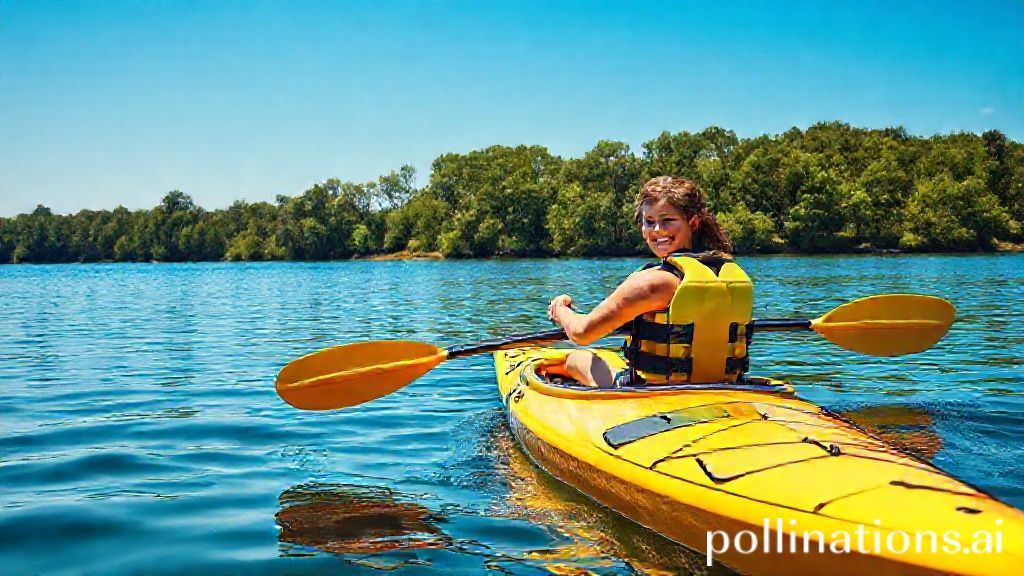
Dreaming of gliding across a serene lake this summer? Kayaking is an incredibly rewarding hobby, but safety should always be your first paddle stroke. This guide will equip you with essential tips to enjoy your first lake kayaking adventures safely and confidently!
Beginner's Guide to Kayaking Safely in Summer Lakes
Summer lakes offer a perfect escape, and kayaking provides a unique way to explore their beauty. If you're new to the sport, a few essential safety practices will ensure your maiden voyages are both fun and secure. Let's dive in!
1. Gear Up Properly
Your equipment is your first line of defense. Don't cut corners here!
- Personal Flotation Device (PFD): This is non-negotiable. Always wear a properly fitted PFD (life vest) designed for paddling, even if you're a strong swimmer. It's not just for if you fall in, but also for fatigue or unexpected situations.
- Kayak: Choose a stable, recreational kayak, especially for your first few outings on calm lakes. Sit-on-top kayaks are often preferred by beginners as they are easy to get back on if you capsize.
- Paddle: Ensure your paddle is the correct length for your height and kayak width. A leash for your paddle can prevent it from floating away if you drop it.
- Whistle: Attach a marine safety whistle to your PFD. It's crucial for signaling for help.
2. Check Weather Conditions
Summer weather can be unpredictable. Before you launch:
- Forecast: Always check the weather forecast for wind, temperature, and potential storms. Avoid kayaking in strong winds or when thunderstorms are predicted.
- Water Temperature: Even on a hot day, lake water can be surprisingly cold. Be aware of the risks of hypothermia if you're exposed to cold water for too long.
3. Plan Your Trip & Inform Others
Don't just head out aimlessly. A little planning goes a long way.
- Tell Someone: Always let a friend or family member know your planned route, expected return time, and location. This is vital in case of an emergency.
- Stay Close to Shore: Especially as a beginner, stick to areas close to the shore. This makes it easier to get back to land if you get tired or encounter issues.
- Know Your Limits: Don't attempt long distances or challenging conditions until you've gained experience and built up your stamina.
4. Hydration & Sun Protection
The sun can be intense on the water.
- Water: Bring plenty of water and drink it regularly, even if you don't feel thirsty. Dehydration can sneak up on you.
- Sunscreen: Apply a high SPF, water-resistant sunscreen liberally to all exposed skin. Reapply often.
- Hat & Sunglasses: A wide-brimmed hat provides excellent face and neck protection, and polarized sunglasses reduce glare from the water.
- Protective Clothing: Consider wearing long-sleeved, lightweight, quick-drying clothing for extra sun protection.
5. Basic Water Safety & Techniques
Familiarize yourself with the basics.
- Paddling Strokes: Learn basic forward strokes, turning strokes, and stopping techniques before you venture too far.
- Righting a Capsized Kayak: Practice self-rescue techniques in a safe, shallow area. Knowing how to get back into your kayak (or swim it to shore) is a critical skill.
- Stay Sober: Alcohol and drugs impair judgment and coordination, significantly increasing risks on the water.
- Awareness: Be mindful of other boats, swimmers, and wildlife. Give them space.
Kayaking in summer lakes is an incredible way to connect with nature and enjoy the outdoors. By following these safety guidelines, you'll ensure your adventures are not only thrilling but also safe and memorable. Happy paddling!