Step into the wild and discover the thrill of finding gourmet treasures right in your local woodland. This guide for passionate hobbyists explores the wonders of edible mushrooms, offering tips on safe identification, ethical foraging, and the joy of connecting with nature through mycology.
For the adventurous spirit and the curious palate, the forest floor offers a bounty far beyond what the grocery store can provide. 'Beyond the Dinner Plate: Exploring Edible Mushrooms in Your Local Forest' invites you to dive into the fascinating world of mycology, turning your weekend hikes into exhilarating treasure hunts.
The Allure of the Wild Harvest
There's a unique satisfaction in foraging your own food, and wild mushrooms offer a particular thrill. From the elusive morel to the radiant chanterelle, each discovery is a testament to nature's intricate beauty and the reward of keen observation. It’s an immersive hobby that sharpens your senses, deepens your appreciation for ecosystems, and, of course, promises unparalleled culinary delights.
Safety First, Always
Before you embark on your mycological adventures, remember the cardinal rule: When in doubt, throw it out! Mushroom identification can be complex, and misidentification can have serious consequences. Invest in multiple reputable field guides specific to your region, familiarize yourself with mushroom anatomy (cap, gills, stem, volva, spore print), and consider joining local mycology clubs or guided forays. Learning from experienced foragers is invaluable.
Ethical Foraging: Respecting the Ecosystem
As passionate hobbyists, we bear a responsibility to the environment. Practice sustainable foraging by:
- Taking only what you need: Leave plenty behind for wildlife and other foragers, ensuring future harvests.
- Minimizing disturbance: Walk lightly, and avoid disturbing delicate habitats.
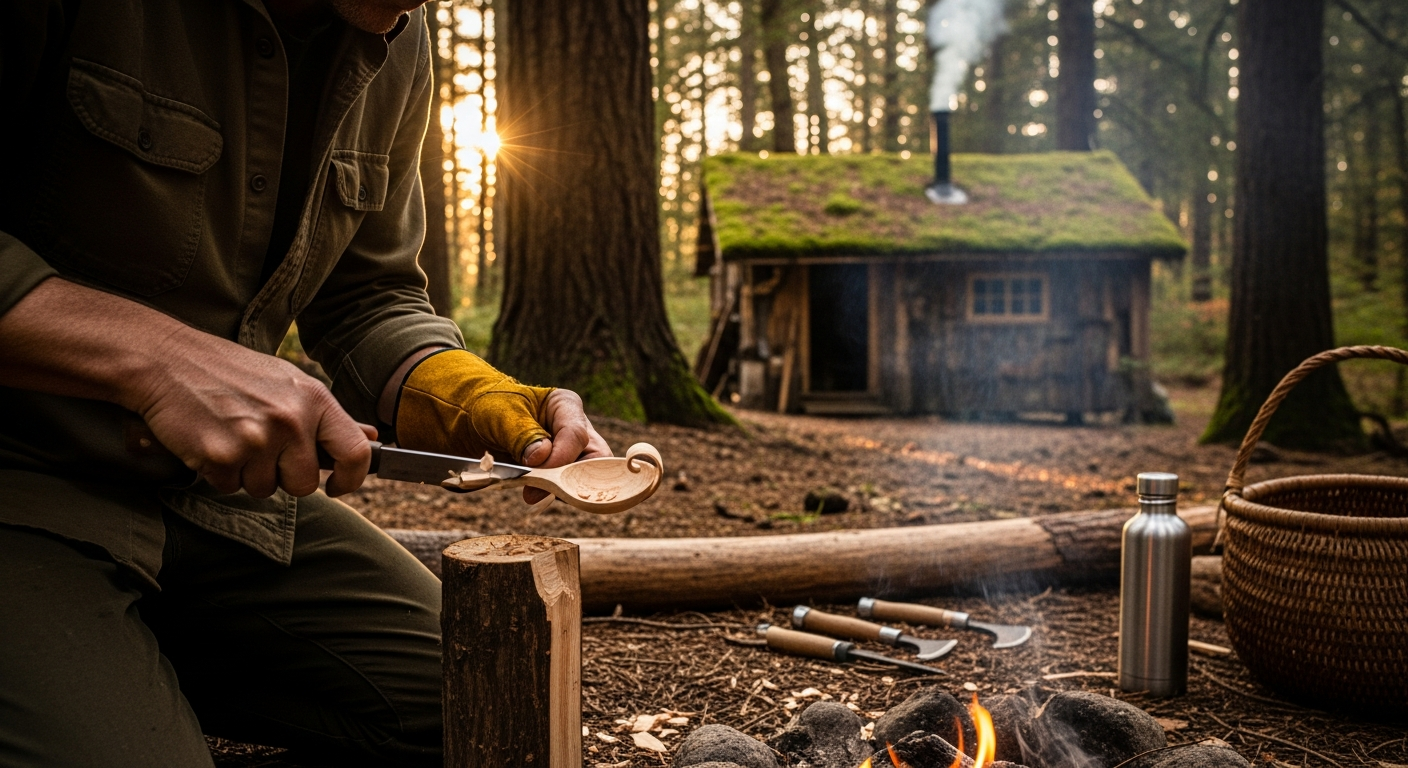
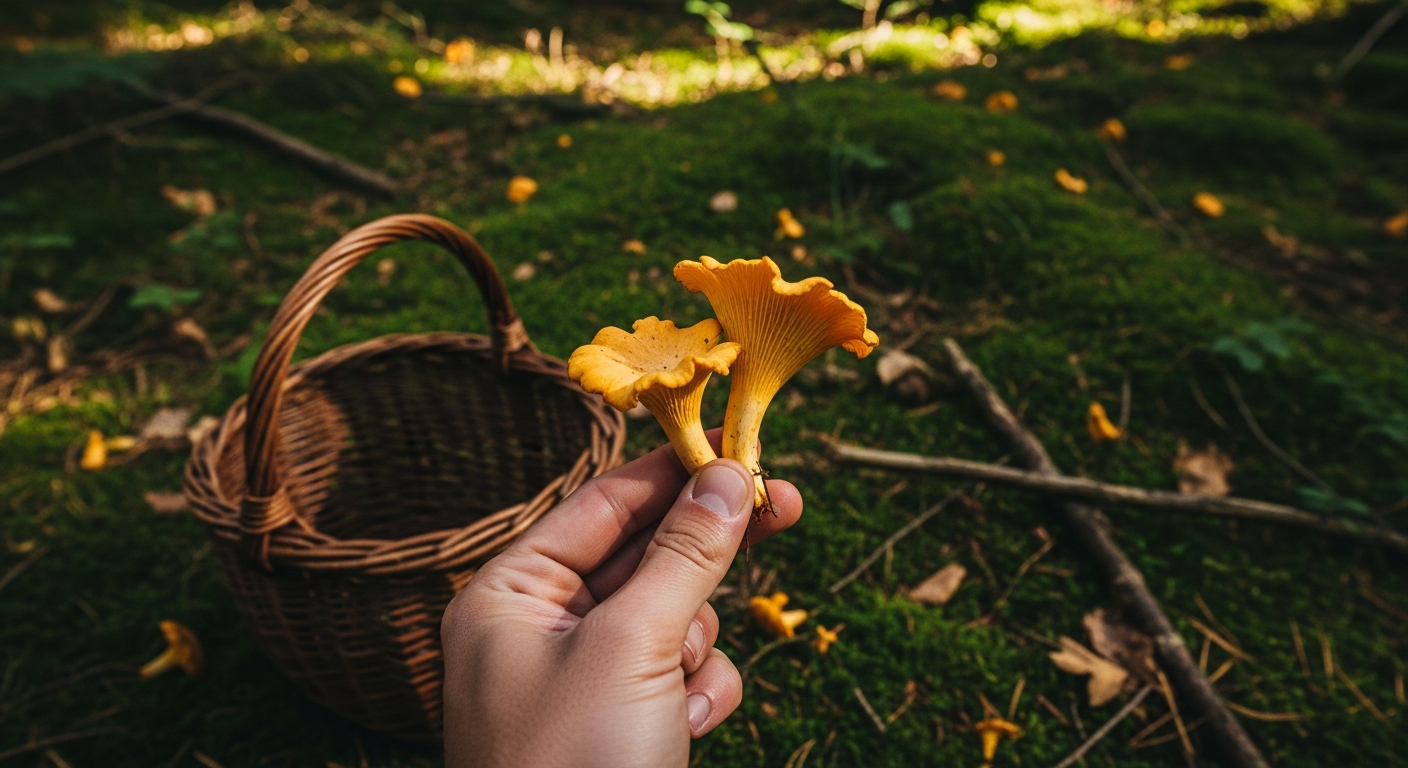
- Using proper tools: A sharp knife to cut mushrooms at the base of the stem (leaving the mycelium intact) and a breathable basket or mesh bag (to allow spores to disperse as you walk).
- Knowing local regulations: Some areas may restrict foraging.
Your Forest Classroom: What to Look For
Start by focusing on a few easily identifiable, choice edibles. Familiarize yourself with their preferred habitats, growing seasons, and unique features. For example:
- Chanterelles: Often found in hardwood forests, trumpet-shaped, with false gills that run down the stem, fruity aroma.
- Oyster Mushrooms: Grow in shelf-like clusters on dead or dying deciduous trees, distinctive fan or oyster shape.
- Lion's Mane: A parasitic mushroom found on hardwoods, characterized by cascading white spines, resembling a pom-pom or icicle.
Pay attention to the trees they grow near, the type of soil, and even the time of year. These clues are vital in narrowing down possibilities.
Essential Gear for the Aspiring Mycologist
Equip yourself for success:
- Field Guides: Multiple, comprehensive guides specific to your region.
- Sharp Knife: For clean cuts.
- Foraging Basket or Mesh Bag: To protect your findings and aid spore dispersal.
- Small Brush: To clean dirt from mushrooms in the field.
- GPS or Map & Compass: To stay oriented in the forest.
- Notebook and Camera: To document your finds, habitats, and learn from experience.
The Reward: Connection and Culinary Joy
Beyond the culinary rewards, foraging offers a profound connection to nature. It teaches patience, observation, and an intimate understanding of the forest's rhythm. There's nothing quite like transforming your wild-found treasures into a gourmet meal, sharing the story of your hunt with friends and family.
So, grab your basket, consult your guides, and step into the green embrace of your local forest. The world of edible mushrooms awaits those with the passion to learn and the respect to preserve. Happy foraging!