Ready to hit the rocks this summer? As you embrace the thrill of climbing, learn how to protect yourself from common warm-weather strains. Discover essential tips to keep your climbs strong, safe, and injury-free, even if you're just starting out!
Summer is here, and for many, that means more time outdoors and new adventures! If you're an enthusiast looking to dive into the exciting world of climbing, you're in for a treat. However, with increased activity, especially in warmer weather, comes a higher risk of common strains and injuries. But don't worry – with a little knowledge and preparation, you can keep your climbing journey safe, fun, and injury-free.
Why Summer Can Be Tricky for Climbers
The allure of long, sunny days often leads to longer sessions, more frequent climbs, and trying harder routes. While this enthusiasm is fantastic, it can also lead to overuse injuries if you're not careful. Heat and humidity can also contribute to fatigue and decreased performance, making you more susceptible to strains.
Common Summer Strains to Watch Out For
- Finger & Forearm Injuries (Pulley Sprains, Tendonitis):
- Why they happen: Overgripping, sudden dynamic moves, or increasing your climbing volume too quickly can put immense stress on the small tendons and pulleys in your fingers.
- Summer specific: Dehydrated connective tissues can be less resilient.
- Shoulder Impingement & Rotator Cuff Strains:
- Why they happen: Repetitive overhead movements, dynamic reaches (dynos), or awkward falls can lead to inflammation or tears in the shoulder joint.
- Summer specific: Longer sessions mean more repetitive movements, increasing cumulative stress.
- Elbow Tendinopathy (Climber's/Golfer's Elbow):
- Why they happen: Overuse of the forearm muscles, often due to poor technique or a lack of antagonist muscle strength, leading to pain on the inside or outside of the elbow.
- Summer specific: Not enough rest between sessions, or pushing intensity too fast.
- Knee & Ankle Sprains:
- Why they happen: Awkward landings from bouldering falls, twisting movements during heel hooks, or poor foot placement can strain ligaments.
- Summer specific: Outdoor environments can have uneven landing zones, and fatigue can lead to sloppy footwork.
Essential Prevention Strategies for New Climbers
To keep enjoying the vertical world without interruption, integrate these habits into your routine:
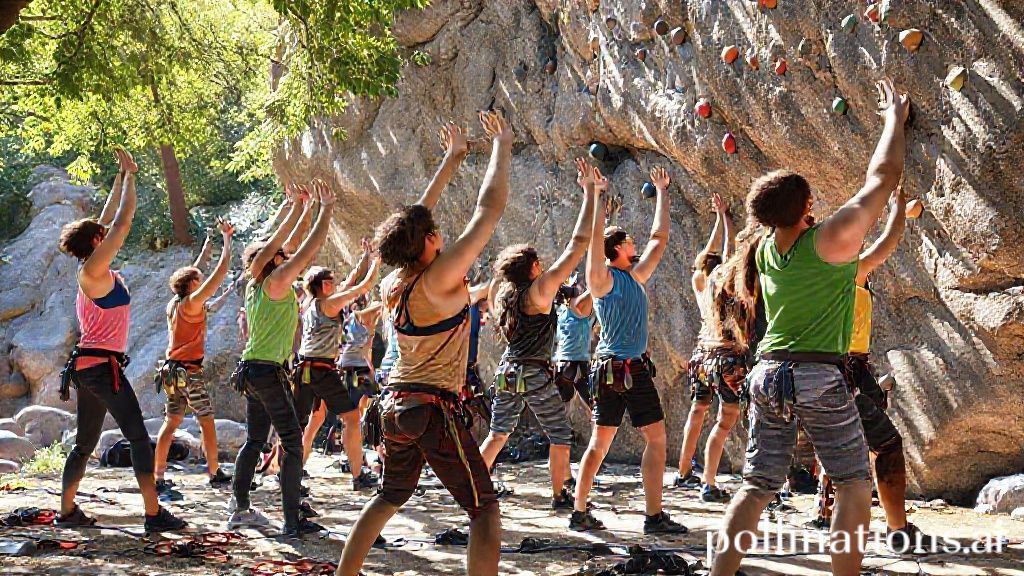
- 1. The All-Important Warm-Up: Don't skip it! Start with 5-10 minutes of light cardio (jumping jacks, jogging in place) followed by dynamic stretches that mimic climbing movements (arm circles, leg swings, torso twists). Finish with some very easy climbs or boulder problems.
- 2. Listen to Your Body: Pain is a signal, not a suggestion. If something hurts, stop. Pushing through pain often leads to more severe, long-term injuries. It’s better to take a rest day than several weeks off.
- 3. Gradual Progression is Key: Resist the urge to jump onto the hardest climbs immediately. Slowly increase your climbing volume, intensity, and difficulty. Your tendons and ligaments adapt much slower than your muscles.
- 4. Focus on Technique Over Strength: Especially for new climbers, good technique reduces strain on your body and makes climbing more efficient. Learn proper footwork, body positioning, and how to use your legs to push, not just your arms to pull. Consider taking a beginner's climbing class!
- 5. Cross-Train & Strengthen Antagonist Muscles: Climbing heavily uses pulling muscles. To balance your body and prevent imbalances, incorporate exercises for pushing muscles (push-ups, overhead press) and your core (planks, crunches).
- 6. Prioritize Cool-Down & Recovery: After your session, gently stretch the muscles you've used. Ensure you get adequate sleep and nutrition. Rest days are when your body repairs and strengthens itself – don't underestimate their power!
- 7. Stay Hydrated, Especially in Summer: Drink plenty of water before, during, and after your climb. Dehydration can lead to muscle cramps, fatigue, and decreased tissue elasticity, increasing injury risk.
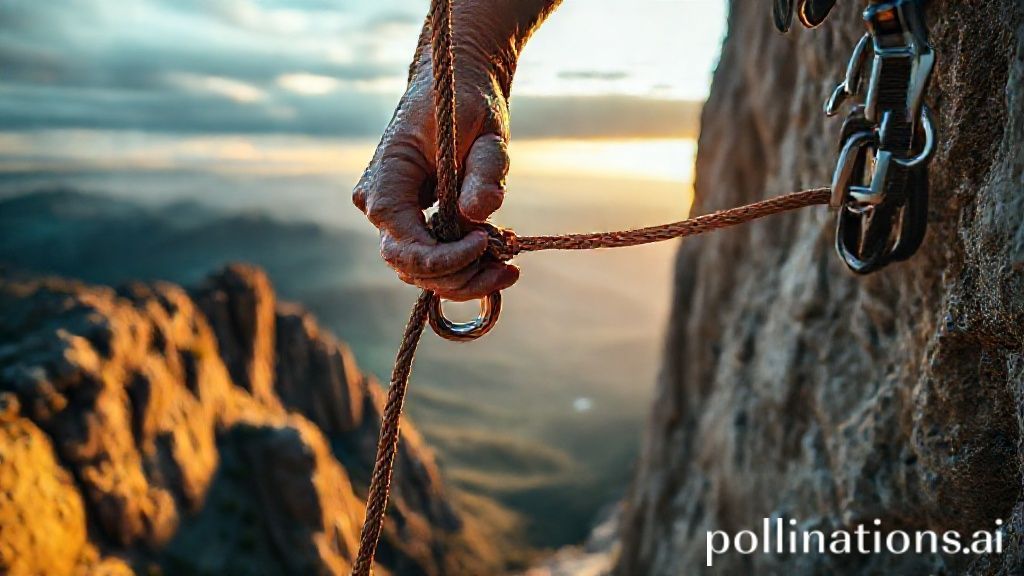
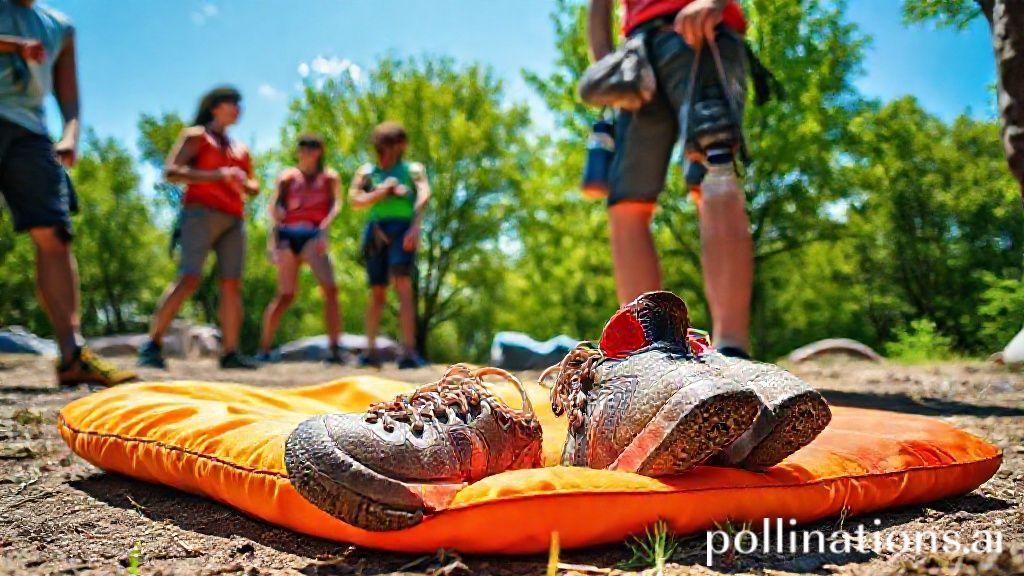
- 8. Check Your Gear: Ensure your shoes fit well, and any safety gear (harness, belay device, ropes) is in good condition.
Climb Smart, Climb Strong
Embracing climbing is an incredible journey. By being mindful of these common summer strains and incorporating preventive measures, you'll not only avoid injuries but also build a stronger, more resilient body for all your future adventures. So chalk up, stay safe, and enjoy the climb!